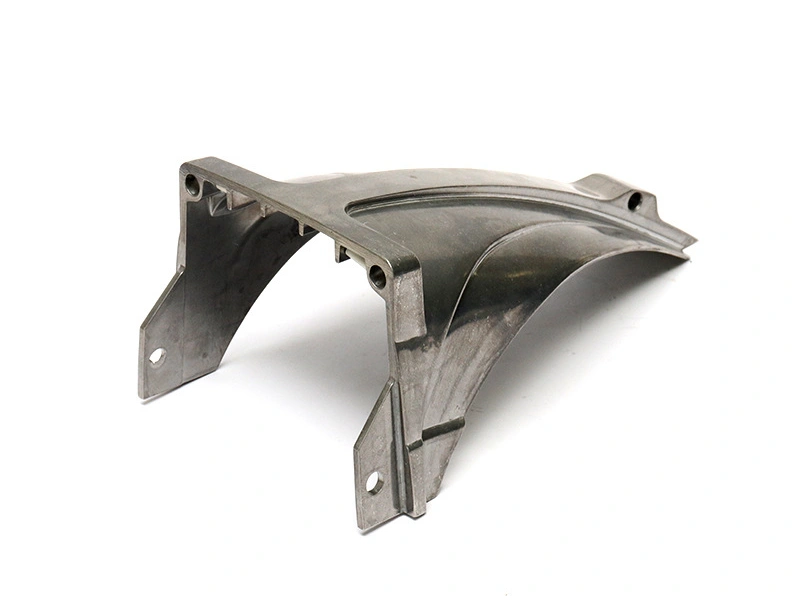
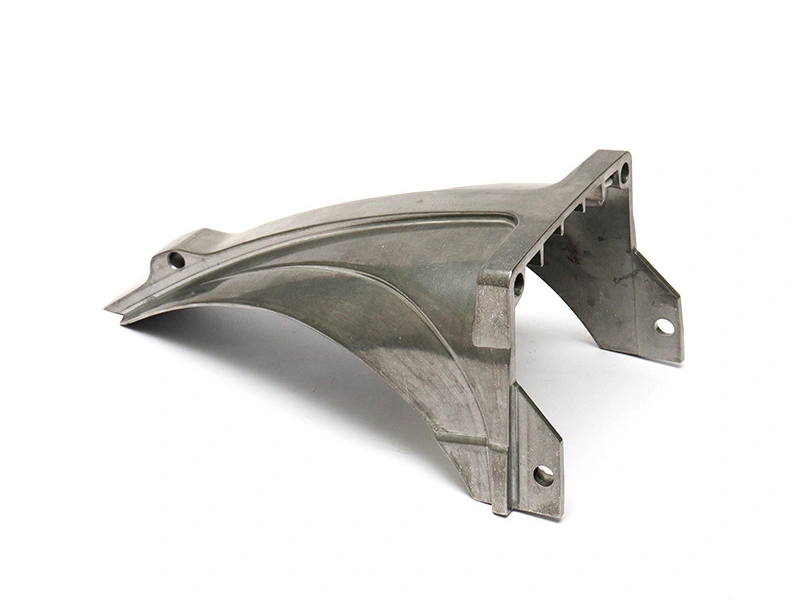
Casting aluminum alloys affect almost every part of a custom die casting project: part strength, weight, corrosion behavior, pressure tightness, surface finishing, CNC machining, tooling risk, inspection and repeat production stability. Buyers often focus on shape first, but the alloy decision can decide whether the casting fills well, machines cleanly, coats properly and performs in the final assembly.
For custom production parts, aluminum alloy selection should happen before tooling. A360, A380, ADC12, A413, A356 and other aluminum alloy directions are not interchangeable labels. Each one may be reviewed for different reasons such as corrosion resistance, commercial availability, fluidity, pressure-tight direction, structural strength, surface treatment compatibility or customer standard requirements.
The right choice is not always the strongest material or the most common material. It is the alloy that fits the part's application, geometry, wall thickness, machined features, finish requirement, annual quantity and quality control plan. A successful alloy decision connects the drawing, tooling, die casting route, CNC machining, surface finishing and inspection before the buyer approves production.
Buyers searching casting aluminum alloys are usually not looking for a chemistry table alone. They often need to know which alloy can make a production part with the right strength, weight, corrosion resistance, finish, machining result and cost. They may also need to compare material directions requested by different suppliers, such as A380 in one quote and ADC12 in another.
This search intent is practical. The buyer wants to avoid choosing the wrong alloy before paying for tooling. If the alloy does not match the product requirement, the project can face porosity, poor machining cleanup, coating problems, weak mechanical performance, corrosion risk, sealing failure or repeat production instability. The supplier should therefore explain why an alloy is recommended, not only list what materials are available.
For a wider service view, aluminum alloys helps buyers see the available material directions before narrowing the RFQ.
Buyer Question | Manufacturing Meaning | Decision Output |
|---|---|---|
Which alloy should I choose? | The buyer needs application, geometry and production review | Recommended alloy direction |
Can another alloy replace the drawing material? | The buyer needs equivalency and risk review | Approved or rejected substitution |
Will the part machine well? | The buyer needs CNC feature and allowance review | Machining plan and inspection method |
Will the finish work? | The buyer needs coating, anodizing or surface treatment compatibility review | Finish sample and acceptance standard |
Can it repeat? | The buyer needs material, tooling and quality records | Production release package |
Common casting aluminum alloy directions include A360, A380, ADC12, A413, A356 and other AlSi-based alloys. Each direction should be considered in context. A380 is often reviewed for general aluminum die casting because it provides a practical balance for many custom parts. ADC12 is common in many supply chains and is often tied to JIS-oriented requirements or established production routes. A360 may be reviewed for corrosion resistance or pressure-tight direction. A413 may be reviewed where fluidity or pressure-tight direction matters. A356 may be reviewed in casting routes where strength and heat treatment direction are relevant.
Buyers should avoid treating these alloys as simple good/better/best choices. A material that is excellent for one housing may not fit another bracket. A part with a machined sealing face, a powder-coated exterior and outdoor exposure needs a different material discussion than a hidden indoor cover. The application should drive the alloy, not the other way around.
For a buyer-friendly comparison, how to choose aluminium grades for casting helps connect grade choice with custom part requirements.
Alloy Direction | Why Buyers Review It | What to Confirm |
|---|---|---|
A360 | Corrosion resistance direction and pressure-tight direction | Environment, finish, sealing and availability |
A380 | General commercial aluminum die casting balance | Strength, cost, casting quality and finish needs |
ADC12 | Common production alloy direction in many supply chains | Drawing standard, finish and supplier experience |
A413 | Fluidity or pressure-tight direction in suitable projects | Machining, sealing and process control |
A356 | Strength and heat treatment direction in selected casting routes | Process type, heat treatment and mechanical target |
Application requirements should guide aluminum alloy selection. Lightweight housings, outdoor covers, pump bodies, motor covers, LED lighting housings, medical casings, automotive brackets and machinery components may all use aluminum casting, but they do not require the same material direction. The buyer should list the part's real job before asking for a quote.
If corrosion resistance matters, alloy and finish must be reviewed together. If pressure tightness matters, porosity control, sealing faces and leak testing become part of the material decision. If weight reduction matters, the design should avoid unnecessary wall thickness while keeping castability. If strength matters, ribs, bosses, load paths and heat treatment direction may need review.
For a specific A360 direction, A360 aluminum die casting helps buyers evaluate corrosion-sensitive and pressure-sensitive applications.
Alloy choice affects tooling and DFM because flow behavior, solidification, shrinkage, hot spots and surface quality are connected to the selected material. A drawing may be castable in one alloy direction but need different gate, venting or machining allowance in another. Buyers should review wall thickness, draft, ribs, bosses, parting line, ejector marks, sealing faces and machining stock before the mold is built.
Tooling risk becomes more important when the part has long flow paths, thin walls, deep ribs, isolated heavy bosses, pressure-sensitive areas or visible surfaces. If the alloy is chosen late, the supplier may need to revisit gate location, venting, cooling, overflow and post-machining strategy. That can delay the project or create tooling changes after samples.
For early risk control, alloy choice before aluminum die casting tooling explains why material decisions should be made before mold release.
Casting aluminum alloys affect CNC machining because material behavior, porosity, hardness direction, silicon content, machining allowance and casting quality all influence final machined features. Buyers often need CNC machining after casting for threaded holes, mounting pads, sealing faces, bearing bores, datum surfaces and tight-tolerance assembly areas.
The supplier should identify which features remain as-cast and which features are machined. A sealing face may need enough stock to clean up. A threaded boss needs enough wall support. A datum surface should be defined before machining fixtures are planned. If a machined surface exposes porosity, the issue may trace back to alloy choice, tooling, wall thickness or casting process.
For machining-related planning, aluminium grades and CNC machining after casting helps buyers connect material choice with post-machining results.
Alloy choice affects surface finishing because coating, painting, polishing, chromate conversion, anodizing compatibility and cosmetic appearance depend on both material and casting quality. Buyers should not assume that every aluminum casting alloy behaves the same after finishing. Alloy chemistry, porosity, surface texture, machining marks, parting lines and heat history can change the final appearance.
If the part needs a visible painted or powder-coated surface, gate marks and ejector marks should be planned away from class A faces when possible. If the part needs corrosion protection, the finish route should be validated on actual castings. If the part needs anodizing or another specialized finish, buyers should confirm compatibility before tooling because die cast aluminum alloys do not always anodize like wrought aluminum.
For surface treatment questions, how aluminium grades affect surface treatments helps buyers avoid finish assumptions that can cause production disputes.
A strong RFQ for casting aluminum alloys should include STEP or X_T files, a PDF drawing, preferred alloy or allowed alternatives, quantity, product application, operating environment, load condition, pressure or sealing requirement, CNC machining areas, finish requirement, inspection needs and target lead time. If the buyer is unsure about the alloy, the RFQ should say that material recommendation is requested.
Buyers should also explain whether the project is prototype, pilot production or mass production. Early prototypes may use a different route from final production. Pilot runs should validate castability, machining, finishing and assembly. Mass production should use locked records for material, tooling, process, inspection and packaging.
RFQ Item | Why It Matters | Buyer Detail |
|---|---|---|
Allowed alloys | Lets supplier recommend practical alternatives | A360, A380, ADC12, A413 or approved equivalent |
Application | Connects material to real part function | Housing, bracket, pump body, cover or assembly part |
Machining areas | Controls allowance and inspection | Threads, bores, sealing faces and datums |
Finish requirement | Controls surface compatibility and cost | Powder coating, painting, polishing, chromate or other finish |
Validation needs | Controls sample approval and repeat production | FAI, CMM, leak test, coating check or assembly test |
Changing casting aluminum alloys after samples can create more risk than buyers expect. A new alloy direction may change filling behavior, porosity pattern, machining response, coating appearance or inspection results. Even when two alloys seem close enough for the same application, the production route may need renewed validation. This is especially important when the part has sealing faces, pressure requirements, cosmetic surfaces or tight assembly features.
If the buyer wants to approve an alloy substitution, the approval should be documented. The supplier should explain why the substitute is acceptable, which requirements are unchanged and which tests or samples are needed. The buyer should not allow an informal substitution simply because the substitute is available or cheaper. A lower material cost can become more expensive if machining rejects, coating defects or leakage problems increase.
Alloy substitutions should be reviewed against the original drawing and production intent. If the drawing calls for A360 because the part faces corrosion or pressure risk, replacing it with another alloy needs more than a purchasing note. If the drawing allows ADC12 or A380 because the part is a general production cover, specifying a more expensive alloy may not add value. The goal is to control risk and cost together.
Aluminum alloy choice can affect cost and lead time through material availability, tooling correction, trial samples, CNC machining, finishing, inspection and testing. A common alloy direction may support faster quoting and stable production in some supply chains. A more specialized alloy direction may require additional confirmation, especially when the project needs a finish sample, leak test, material record or customer approval.
Buyers should compare total finished-part cost instead of only material price. A cheaper alloy may not be cheaper if it creates more porosity on machined faces, poor coating yield, extra rework or longer inspection. A more expensive alloy may be justified if it reduces corrosion risk, improves pressure-tight performance or matches a customer standard. The quote should show whether tooling, trial samples, machining, finishing and inspection are included.
Lead time should also be separated by stage. New projects may require alloy confirmation, DFM, mold design, die fabrication, T1 samples, corrections, machining validation, finish approval and pilot production. Repeat projects may move faster if the alloy, tooling, CNC program, finish sample and inspection checklist are already locked. The more clearly the buyer defines the alloy requirement, the less time is wasted during quotation and sample approval.
Inspection should match the reason the alloy was selected. If A360 was selected for corrosion or pressure-related reasons, finish validation and leak-related checks may matter. If A380 was selected for general production, dimensional stability and batch repeatability may be more important. If ADC12 was selected because of a drawing standard, the supplier should show that the material and process match the required specification.
Common inspection evidence includes first article inspection, critical dimension reports, machining reports, coating samples, visual standards, thread gauges, leak tests, assembly checks and pilot batch data. Buyers should also confirm whether testing is performed before or after finishing. A thread may pass before coating but fail after coating buildup. A sealing face may machine cleanly but fail if pores appear after machining.
For repeat production, the inspection checklist should not be rewritten from memory. It should be part of the revision-controlled production specification. That file should show the approved alloy, drawing revision, tooling status, machining plan, finish sample and required inspection frequency. This keeps future purchase orders aligned with the approved sample.
Buyers should approve the final alloy decision with both engineering and purchasing evidence. Engineering should confirm that the alloy fits strength, weight, corrosion, sealing, machining and finishing needs. Purchasing should confirm that the alloy is practical for the expected quantity, lead time and repeat supply. Quality should confirm which reports or tests are needed for sample approval and batch release.
The approval should be written into the drawing, RFQ response or production release file. If equivalents are allowed, the allowed alloy names and conditions should be listed. If equivalents are not allowed, that should also be clear. This prevents a supplier from changing material direction later because another alloy is easier to source.
The final check should use real parts whenever possible. Trial castings, machined samples, finish samples and pilot batch records show how the alloy behaves inside the actual manufacturing route. This evidence is more useful than a material table alone because it connects the alloy to the tool, machine, finish line, inspector and packaging method that will be used in production.
Typical room-temperature tensile values provide a first filter, but they do not replace a material standard or application test. A360 is commonly reviewed around 300-320 MPa, A380 around 315-330 MPa, A413 around 280-300 MPa and ADC12 around 280-320 MPa ultimate tensile strength. Section thickness, porosity, heat exposure and the supplier's alloy specification can move the real result.
Alloy | Typical Tensile Direction | Buyer Decision |
|---|---|---|
A360 | 300-320 MPa | Review corrosion and pressure-related needs |
A380 | 315-330 MPa | Balanced general production route |
A413 | 280-300 MPa | Review fluidity and pressure-tight geometry |
ADC12 | 280-320 MPa | Confirm supplier standard and finish expectation |
Alloy names must be tied to a governing system: ASTM B85 for common North American die casting alloys, EN 1706 for European cast aluminum designations and JIS H 5302 for Japanese die casting grades such as ADC12. Equivalent substitutions require written approval because similar commercial names can carry different chemistry limits and finish behavior.
A buyer needed an aluminum pump cover with a machined gasket face, threaded holes and a coated exterior. The first RFQ only said aluminum die casting, but the supplier asked about the operating environment, sealing requirement and finish standard. After review, A360 and A413 were compared because pressure-tight direction and machined sealing quality mattered more than only lowest unit cost.
The project review identified a thick wall transition near the gasket area, machining allowance on the sealing face, coating masking around threads and leak testing after machining. Trial samples were evaluated by dimensions, porosity risk, machined cleanup, coating coverage and assembly fit. The final alloy decision was locked into the drawing and production record before repeat orders.
Neway supports casting aluminum alloy selection by reviewing application requirements, alloy direction, DFM, tooling, aluminum die casting, CNC machining, surface finishing, inspection and repeat production records together. The goal is to help buyers avoid alloy choices that look acceptable on paper but create problems after tooling, machining or finishing.
For buyers comparing custom aluminum production routes, aluminum die casting support can connect material choice with tooling, CNC machining, surface finishing and quality control. This creates a clearer path from RFQ to stable production parts.
How Should Buyers Choose Casting Aluminum Alloys Before Tooling?
Which Casting Aluminum Alloys Fit Strength, Weight and Corrosion Requirements?
How Do Casting Aluminum Alloys Affect CNC Machining and Surface Finishing?
Can A360, A380, ADC12 and A413 Be Approved as Equivalent Die Casting Alloys?
What Records Keep Casting Aluminum Alloy Choices Stable in Repeat Production?