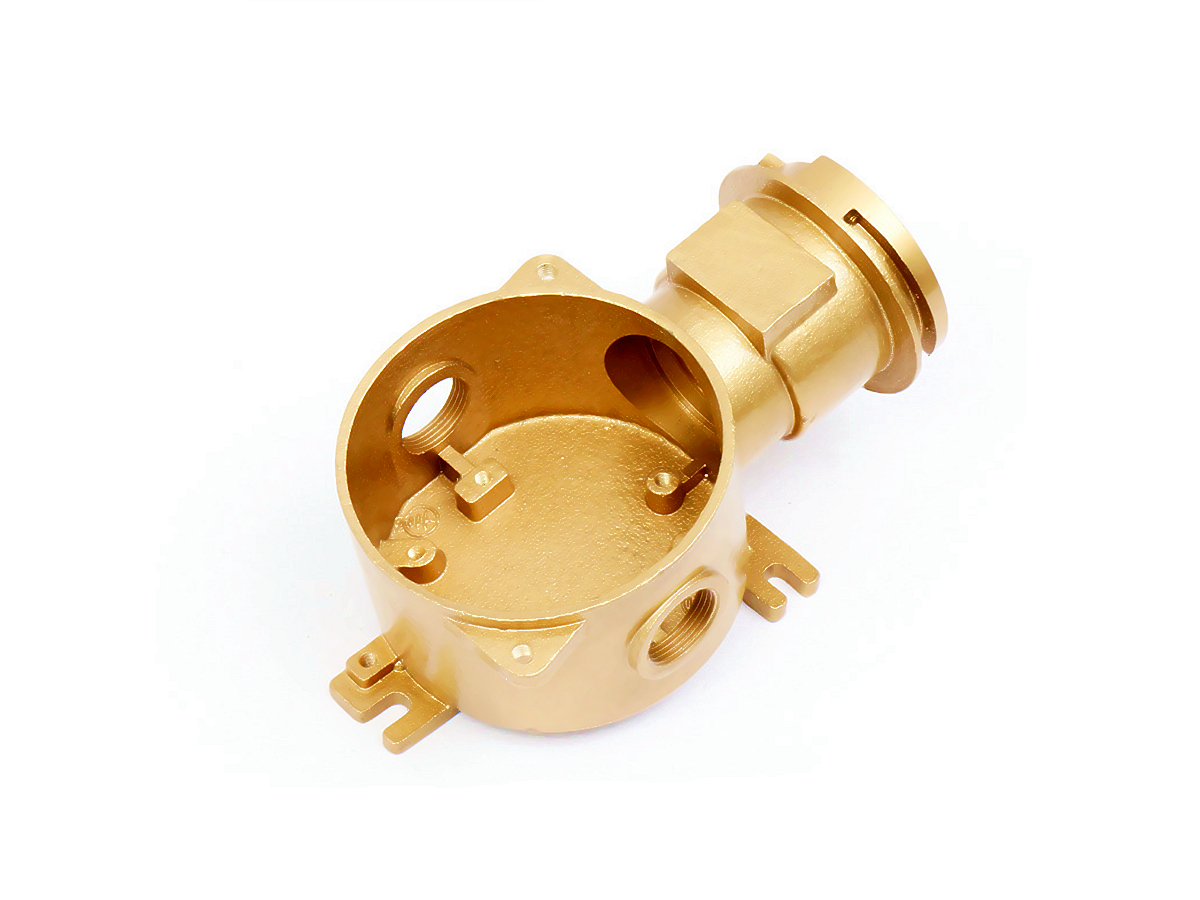
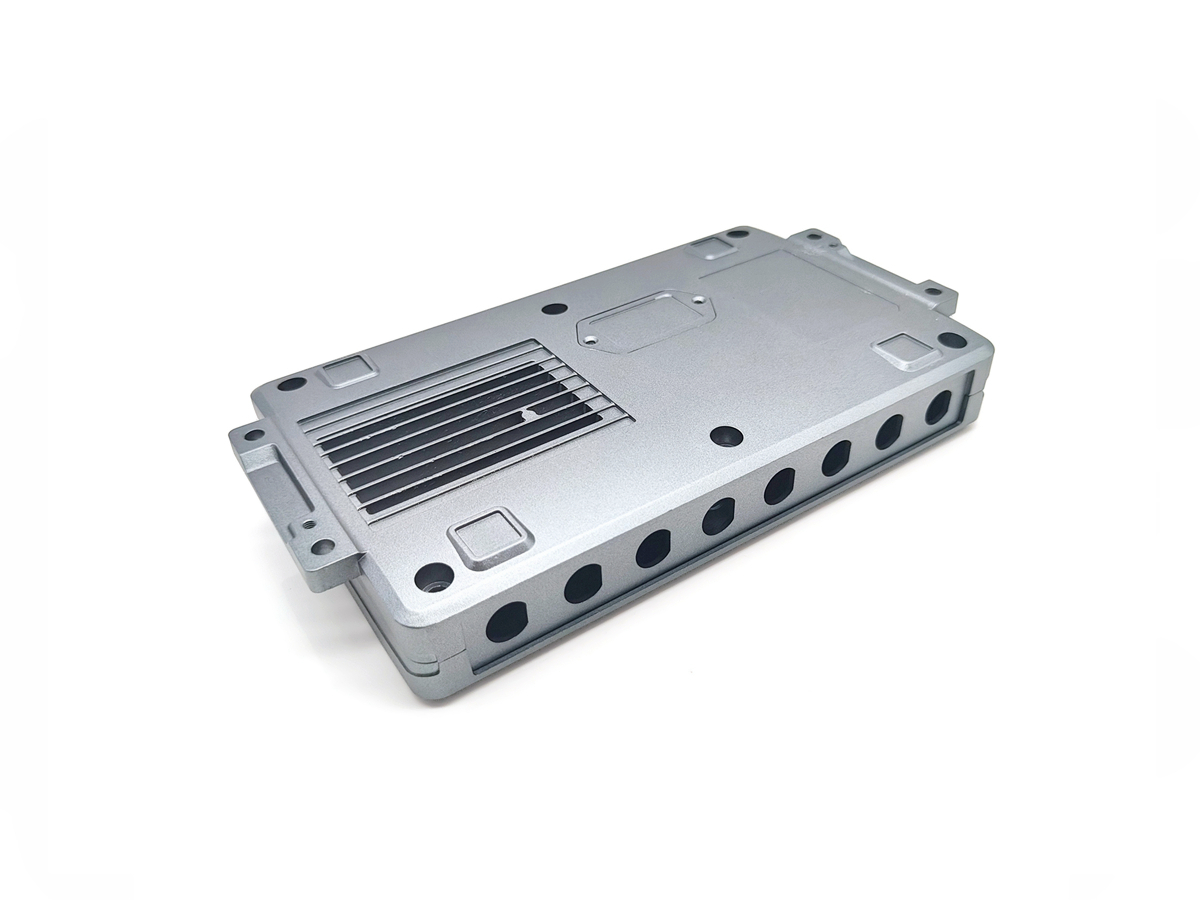
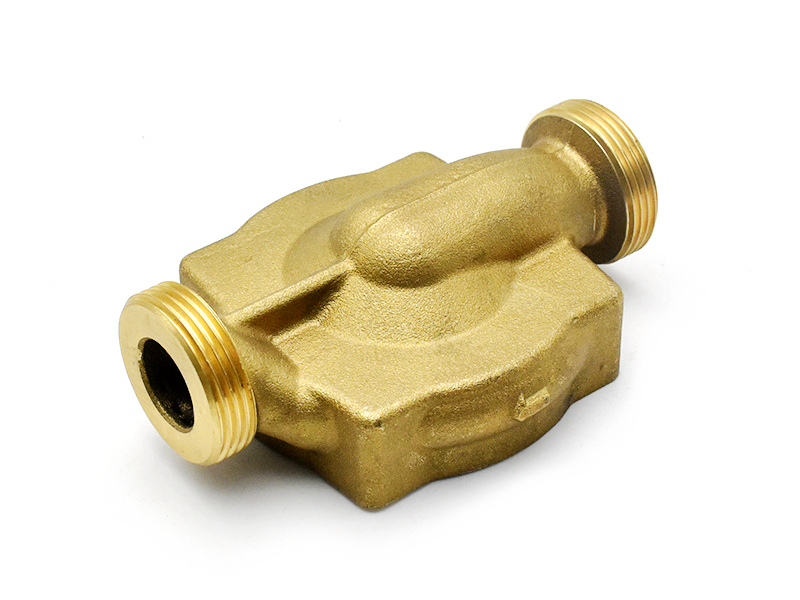
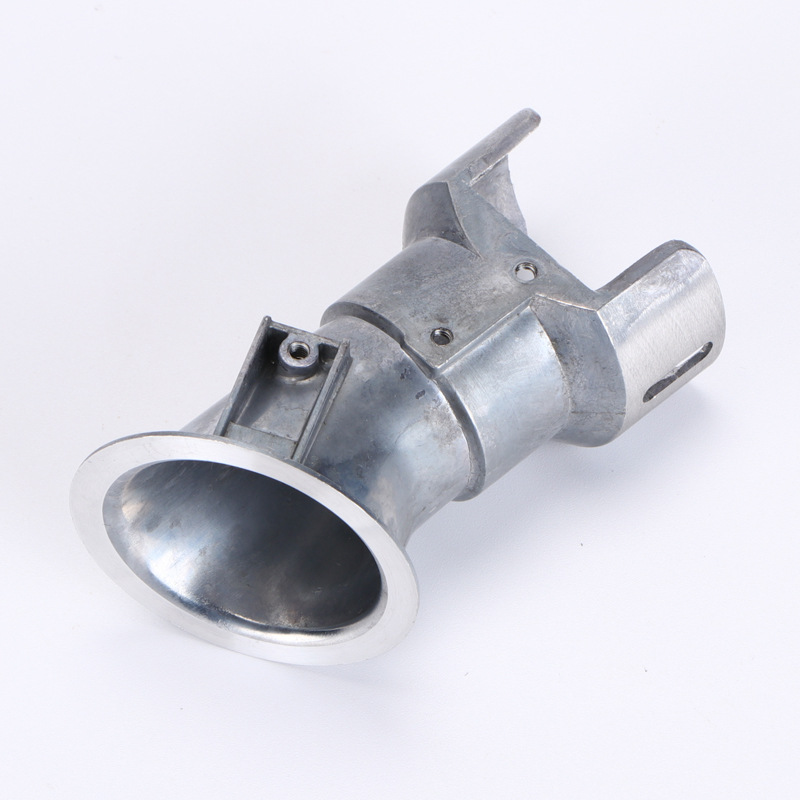
Free-Cutting Brass C85700 is a high-performance leaded brass alloy specifically formulated for exceptional machinability in copper die casting applications. This versatile alloy combines excellent free-cutting characteristics with good mechanical properties and corrosion resistance, making it ideal for high-volume production of complex components requiring extensive machining operations. With its optimized lead content, C85700 produces small, fragmented chips during machining, which significantly reduces tool wear and increases production efficiency. The alloy exhibits good castability, along with smooth surface finish capabilities, making it suitable for a wide range of industrial applications. When processed through Neway's integrated tool and die making and precision post-machining services, it delivers reliable performance for architectural hardware, plumbing components, and industrial fittings.

For applications requiring lead-free compliance while maintaining good machinability, Silicon Brass C87850 offers an excellent environmentally friendly alternative. When superior free-cutting performance is the primary requirement, Leaded Free-Cutting Brass C48500 provides the highest machinability rating. For general-purpose applications with good overall properties, Brass 360 serves as a reliable choice. In applications demanding higher strength and wear resistance, Aluminum Bronze C95400 delivers superior mechanical performance. For cost-sensitive projects that require reasonable machinability, Brass 380 offers a balanced solution. When considering non-copper alternatives, Zamak 5 zinc alloy offers good castability for small components.
Country/Region | Equivalent / Comparable Grade | Specific Commercial Brands | Notes |
USA (ASTM/UNS) | C85700 (Leaded Brass) | Mueller Brass C85700, PMX C85700, Concast C85700 | Standard UNS designation for medium-leaded brass alloys. |
Europe (EN) | CuZn39Pb0.5 | KME CuZn39Pb0.5, Wieland CW510L, Luvata CuZn39Pb0.5 | European brass grade with lower lead content but similar applications. |
Japan (JIS) | C6782 | JX Nippon C6782, Mitsubishi Shindoh C6782 | Japanese brass standard with comparable machining characteristics. |
Germany (DIN) | CuZn39Pb0.5 | Diehl Metall CuZn39Pb0.5, Aurubis CuZn39Pb0.5 | German specification matching European CW510L standards. |
China (GB/T) | HPb63-0.1 | Ningbo HPb63-0.1, Zhongse HPb63-0.1 | Chinese brass grade with similar lead content and properties. |
UK (BS) | CZ109 / CW510L | Luvata CZ109, Aalco CW510L | British standards aligned with European CW510L specifications. |
C85700 was specifically developed to bridge the gap between high-leaded free-cutting brasses and standard brass alloys, offering an optimal balance of machinability, mechanical properties, and cost-effectiveness. The alloy's composition was engineered to provide excellent chip formation during machining operations while maintaining sufficient strength and corrosion resistance for demanding applications. This design approach makes it particularly suitable for components that require both precise machining and reliable service performance. The alloy's versatility supports its use across multiple industries, from architectural hardware to industrial components, where efficient manufacturability and consistent quality are paramount. Its development focused on providing manufacturers with a reliable material solution that maximizes production efficiency while maintaining component integrity in metal casting applications.
Element | Copper (Cu) | Zinc (Zn) | Lead (Pb) | Iron (Fe) | Other Elements |
Composition (%) | 60.0-63.0 | Balance | 0.5-1.5 | ≤0.8 | ≤0.5 total |
Property | Density | Melting Range | Thermal Conductivity | Electrical Conductivity | Thermal Expansion |
Value | 8.4 g/cm³ | 900-930°C | 105 W/m·K | 24% IACS | 20.8 μm/m·°C |
Property | Tensile Strength | Yield Strength (0.5%) | Elongation | Hardness | Machinability Rating |
Value | 380 MPa | 170 MPa | 22% | 85 HB | 90% (Very Good) |
Excellent machinability with 90% rating compared to free-cutting brass standards
Good mechanical strength balanced with reasonable ductility
Superior chip formation during machining operations
Good corrosion resistance in various environments
Excellent castability with smooth surface finish capabilities
Maintains pressure tightness for fluid handling applications
Good wear resistance for moving components and fittings
Attractive golden appearance suitable for decorative applications
Cost-effective solution for high-volume production
Compatible with standard post-processing and finishing techniques
Copper Die Casting: Primary manufacturing process with excellent mold filling characteristics
Post Machining: Superior machinability enables high-speed drilling, tapping, and milling operations
CNC Machining: Ideal for complex geometries with tight tolerances (±0.025 mm)
Thread Cutting and Tapping: Produces clean, precise threads with extended tool life
Drilling and Boring: Excellent chip clearance enables efficient deep hole drilling
Tumbling: Effective for deburring and achieving uniform edge finishes
Sand Blasting: Creates consistent surface textures for aesthetic applications
Polishing and Buffing: Achieves high-luster finishes for decorative hardware
Clear Lacquering: Preserves natural brass appearance while preventing tarnishing
Electroplating: Compatible with nickel, chrome, and gold plating for enhanced durability
Powder Coating: Provides durable, colored finishes with proper surface preparation
Antique Patina: Chemical treatments create aged appearance for architectural applications
Passivation: Enhances corrosion resistance while maintaining metallic appearance
Architectural hardware, door handles, and decorative fittings
Plumbing fixtures and valve components
Industrial fittings and machinery components
Electrical connectors and electronic hardware
Marine hardware and coastal architectural elements
Consumer product components and hardware
Lock mechanisms and security hardware
High-volume machining applications: Excellent machinability reduces production time and costs
Complex threaded components: Superior chip formation enables clean, precise threading
Architectural and decorative hardware: Attractive appearance with good machining characteristics
Cost-effective production: Balanced performance at competitive material costs
Plumbing and industrial fittings: Good corrosion resistance and pressure tightness
Components requiring extensive post-machining: Extended tool life reduces manufacturing costs
General-purpose brass applications: Versatile performance across multiple industries