
ما هي الأنودة بالقوس الكهربائي؟ العملية والخصائص والتطبيقات الصناعية
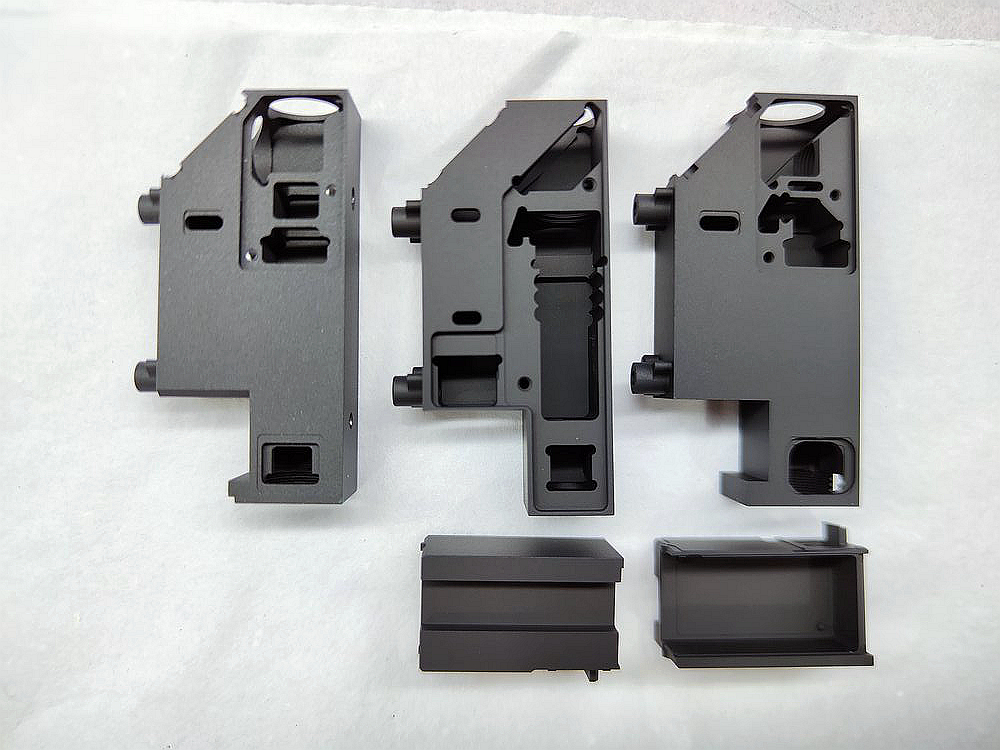
مقدمة إلى الأنودة القوسية
بصفتي مهندسًا في Neway، أقدّم الدعم بشكل متكرر للعملاء الذين يحتاجون إلى طلاءات عالية الأداء قادرة على الصمود أمام تغيّرات درجات الحرارة الشديدة، والإجهادات الميكانيكية العالية، والبيئات المسببة للتآكل. الأنودة القوسية—المعروفة أيضًا بالأكسدة بالميكرو-قوس (MAO) أو الأكسدة الإلكتروليتية بالبلازما (PEO)—تُعد من أكثر معالجات السطح التحويلية الخزفية تقدمًا المتاحة اليوم. وعلى خلاف الأنودة التقليدية التي تُنتج طبقة أكسيد رقيقة نسبيًا، تستخدم الأنودة القوسية تفريغًا بلازميًا مضبوطًا لتحويل سطح المعدن إلى طبقة خزفية سميكة ومتينة.
تزداد قيمة هذه العملية بشكل خاص للمكوّنات المُنتَجة عبر صب الألومنيوم بالقوالب أو التشغيل باستخدام CNC، حيث تكون المتطلبات الهيكلية الصارمة والموثوقية طويلة الأمد ضرورية. في هذا المقال، سأشرح كيفية عمل الأنودة القوسية، وما الخصائص التي توفرها، ولماذا أصبحت خيار تشطيب استراتيجيًا عبر صناعات متعددة.
كيف تعمل الأنودة القوسية
تكوّن التفريغ البلازمي
تبدأ الأنودة القوسية بتطبيق جهد عالٍ على المعدن المغمور في إلكتروليت. وعندما يتجاوز الجهد حد الانهيار العازل لطبقة الأكسيد الطبيعية، تتشكل أقواس دقيقة على السطح. تولّد هذه الأقواس درجات حرارة موضعية تصل إلى عدة آلاف من الدرجات، ما يؤدي إلى انصهار الأكسيد وتصلبه سريعًا ليُكوّن طبقة خزفية.
أنظمة الإلكتروليت وظروف الحوض
يؤثر تركيب الإلكتروليت—وغالبًا ما يكون مزيجًا قلويًا من السيليكات أو الفوسفات—مباشرةً في شدة البلازما ونمو الأكسيد. كما تؤثر درجة حرارة الحوض والتحريك في استقرار العملية.
التحويل الحراري–الكيميائي
أثناء كل تفريغ، تتفاعل ذرات الألومنيوم أو المغنيسيوم مع مكوّنات الإلكتروليت لتكوين أطوار خزفية بلورية. هذا التحويل هو أساس الأسطح القوية المقاومة للاهتراء المستخدمة في مكوّنات صب الزنك بالقوالب وصب النحاس بالقوالب التي تتطلب حماية شديدة التحمل.
مراحل النمو
تنتج الأنودة القوسية بنية ثنائية الطبقة:
طبقة حاجز كثيفة توفر عزلًا كهربائيًا
طبقة خزفية خارجية أكثر سماكةً ومساميةً لمقاومة الاهتراء
سير العملية في MAO الصناعية
المعالجة المسبقة
قبل MAO، تخضع الأجزاء للتنظيف وإزالة الشحوم وتنشيط السطح. تُظهر الأسطح المُحسّنة بالتشغيل دقةً أعلى وتجانسًا أفضل في الطلاء مقارنةً بأسطح الصب الخشنة.
رفع الجهد وأنواع مصادر التغذية
تتحكم أوضاع القدرة المختلفة—تيار مستمر (DC) أو نبضي أو هجين—في توزيع طاقة الأقواس الدقيقة. تتيح الأنظمة النبضية تحكمًا أدق، وهو أمر مهم عند معالجة سبائك مثل A380.
مرحلة التفريغ
تتحكم هذه المرحلة في سماكة الطلاء وصلادته ومساميته. تؤدي الأقواس المستقرة إلى طبقات خزفية أقوى وأكثر تجانسًا.
المعالجة اللاحقة
بعد MAO، قد تتطلب بعض التطبيقات عمليات سدّ أو تشطيب إضافية. بالنسبة لمكوّنات الصب بالقوالب، يمكن دمج ذلك مع عمليات مثل أنودة المسبوكات بالقوالب للحصول على أداء هجين أو تحسينات تجميلية.
التكامل مع التصنيع السابق للعملية
تبدأ النمذجة الأولية وتطوير المنتجات الجديدة غالبًا باستخدام النمذجة السريعة قبل الانتقال إلى إنتاج MAO على نطاق كامل. وتندمج MAO بسلاسة مع مسارات الصب والتشغيل، مع قابلية ممتازة للتوسع.
خصائص الطلاءات المُؤنودة قوسيًا
الصلادة ومقاومة الاهتراء
تحتوي طلاءات MAO على أطوار خزفية مثل الكورندوم والموليت، ما يمنحها صلادة عالية جدًا. تُعد هذه الخاصية قيّمة بشكل خاص لتطبيقات الاهتراء العالي في المكوّنات الصناعية ومكوّنات السيارات.
مقاومة التآكل
تعزز البنية الخزفية الحماية من التآكل بشكل كبير، حتى في البيئات العدوانية مثل رذاذ الملح، والتعرّض للمواد الكيميائية، أو الدورات الحرارية.
الثبات الحراري
تحافظ طلاءات MAO على بنيتها عند درجات حرارة مرتفعة. يفيد هذا الثبات سبائك الصب مثل ADC12 المستخدمة في أغلفة الإلكترونيات أو الهياكل القريبة من المحركات.
العزل الكهربائي
توفر الطبقة الكثيفة أداءً عازلًا ممتازًا (Dielectric)، ما يتيح استخدامها في وحدات الجهد العالي وأنظمة المركبات الكهربائية وأغلفة الإلكترونيات الحساسة مثل أغلفة الإلكترونيات الاستهلاكية.
مورفولوجيا السطح
تتميز طلاءات MAO بأسطح ميكرو-محببة فريدة يمكن تحسينها لتلبية خصائص مختلفة مثل الاحتكاك أو الانبعاثية الحرارية أو المظهر الزخرفي، حسب التطبيق المحدد.
توافق الركائز
عائلات سبائك الألومنيوم
تُعد سبائك الألومنيوم أكثر المواد توافقًا مع MAO. تستجيب درجات الصب والدرجات المشغولة بشكل مختلف حسب محتوى السيليكون. يمكن تحسين نطاق واسع من سبائك الألومنيوم—بما في ذلك الدرجات الهيكلية ودرجات الصب—باستخدام MAO.
A380 وADC12 وAlSi10Mg وسبائك صب أخرى
تُكوّن الدرجات عالية السيليكون مثل AlSi10Mg طبقات خزفية أصلب، لكنها تتطلب تحكمًا دقيقًا في سلوك البلازما.
سبائك المغنيسيوم والتيتانيوم
يستجيب المغنيسيوم بشكل ممتاز لـ MAO، بينما يُكوّن التيتانيوم طبقات خزفية شديدة الاستقرار مناسبة لتطبيقات الطيران والطب.
قيود سبائك الزنك والنحاس
يمكن معالجة بعض سبائك الزنك ضمن شروط محكومة، لكن المحتوى المرتفع من الزنك أو النحاس قد يزعزع استقرار سلوك البلازما.
التطبيقات الصناعية للأنودة القوسية
الطيران
تُستخدم MAO في الحوامل والأغلفة والدروع الحرارية وغيرها من مكوّنات الطيران التي تتطلب ثباتًا حراريًا ومقاومة للاهتراء.
السيارات
تستفيد أغطية بطاريات المركبات الكهربائية، وأغلفة نواقل الحركة، والمكوّنات الحرارية من البنية الخزفية لـ MAO. تستخدم العديد من البرامج التي ندعمها عبر حلول الصب للسيارات MAO لتعزيز المتانة.
الإلكترونيات الاستهلاكية
تُعد MAO مثالية للأغلفة المقاومة للخدش ذات الإحساس الفاخر في أجهزة الكمبيوتر المحمولة وأجهزة التوجيه والأجهزة المحمولة.
المعدات الصناعية
تعتمد وحدات الجهد العالي، والأغلفة الميكانيكية، ومكوّنات الأدوات على MAO للعزل ومقاومة التآكل.
الطاقة والقدرة
تعزز طلاءات MAO قوة العزل في وحدات تخزين الطاقة وأنظمة تحويل القدرة.
المزايا مقارنةً بالأنودة التقليدية
صلادة وسماكة أكبر
تنتج الأنودة التقليدية طبقات أكسيد رقيقة، بينما تُنتج MAO طبقات خزفية سميكة مناسبة لتطبيقات الاهتراء العالي وتحمل الأحمال.
أداء أفضل ضد التآكل والاهتراء
تتفوق الطبقة الخزفية بشكل ملحوظ على قدرات الأنودة القياسية.
تحسّن السلوك الحراري والعازل
يجعل هذا MAO مناسبة للبيئات عالية الجهد وعالية الحرارة وعالية الاحتكاك.
فوائد وظيفية وجمالية
توفر MAO أداءً وملمسًا سطحيًا مميزًا، ما يمنح المصممين مرونة أكبر.
تحديات وحدود عملية MAO
استهلاك الطاقة
تتطلب MAO مدخلات طاقة أعلى من الأنودة التقليدية.
حساسية السبيكة
تحتاج السبائك ذات المحتوى العالي من السيليكون أو بعض الخصائص المعدنية إلى إعدادات تحكم أكثر دقة.
حجم المعدات والتبريد
تتطلب المكوّنات الكبيرة خزانات MAO كبيرة وتحكمًا فعالًا بدرجة الحرارة.
اعتبارات تشطيب السطح
قد تحتاج أسطح الصب الخشنة إلى تشغيل أو تلميع قبل الطلاء لتحقيق أفضل النتائج.
اختيار المُصنّع المناسب
أهمية التحكم بالعملية وضمان الجودة
تعتمد جودة MAO بشكل كبير على التحكم في الجهد وكثافة التيار وكيمياء الإلكتروليت وإدارة الحرارة.
فوائد التصنيع المتكامل
عندما يقدم الموردون الصب والتشغيل والطلاء ضمن سير عمل واحد—مثل خدمة الصب بالقوالب الشاملة لدى Neway—تصبح نتائج MAO أكثر قابلية للتنبؤ وأكثر اتساقًا.
تقييم المورد
ينبغي تقييم المصنعين بناءً على خبرة العملية وقدرة المعدات واتساق الطلاء والامتثال لمتطلبات الصناعة.
متى تحقق MAO أفضل عائد استثمار
تُعد MAO مثالية للمنتجات التي تتطلب ثباتًا طويل الأجل أو عزلًا كهربائيًا أو إدارة حرارية أو متانة ميكانيكية.
الخلاصة
تُعد الأنودة القوسية تقنية طلاء خزفي عالية الأداء تحوّل أسطح المعادن إلى طبقات مقساة مقاومة للتآكل وعازلة كهربائيًا. ومن خلال الجمع بين التفريغ البلازمي عالي الجهد وتفاعلات كيميائية محكومة، توفر MAO متانة أعلى بكثير من الأنودة التقليدية. عبر تطبيقات الطيران والسيارات والإلكترونيات والصناعة، تعزز الأنودة القوسية القوة الميكانيكية وتطيل العمر وتحسن الإدارة الحرارية وتضيف قيمة تصميمية فاخرة.
الأسئلة الشائعة
