Die Cast Aluminum Material for Custom Production Parts
Die Cast Aluminum Material for Custom Production Parts
Die cast aluminum material selection affects how a custom HPDC part fills, solidifies, machines, finishes and performs in production. Common material directions include A380, ADC12, A360 and A413, but the best choice depends on geometry, volume, environment, machined features, surface finish, porosity risk and customer documentation requirements.
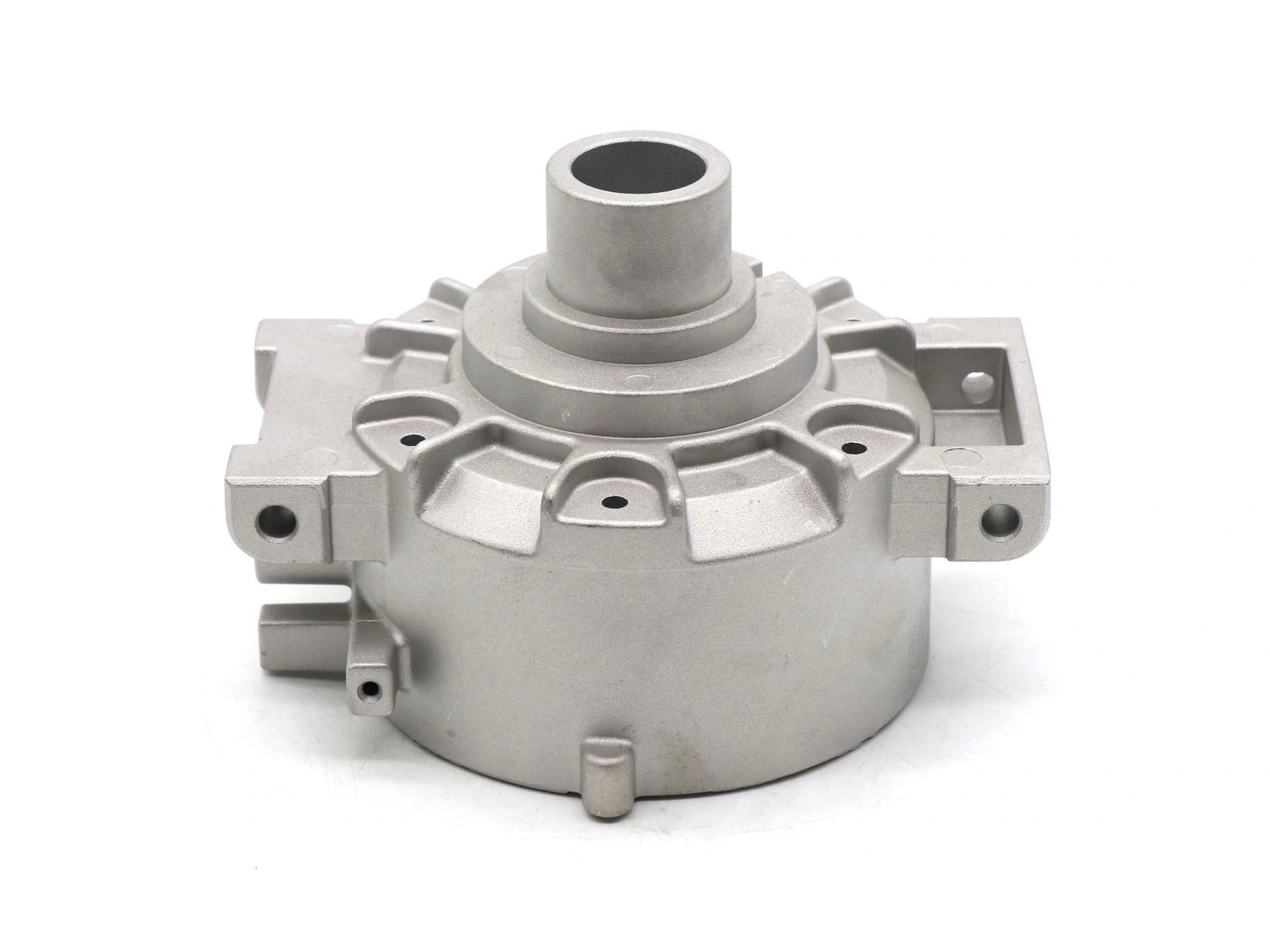
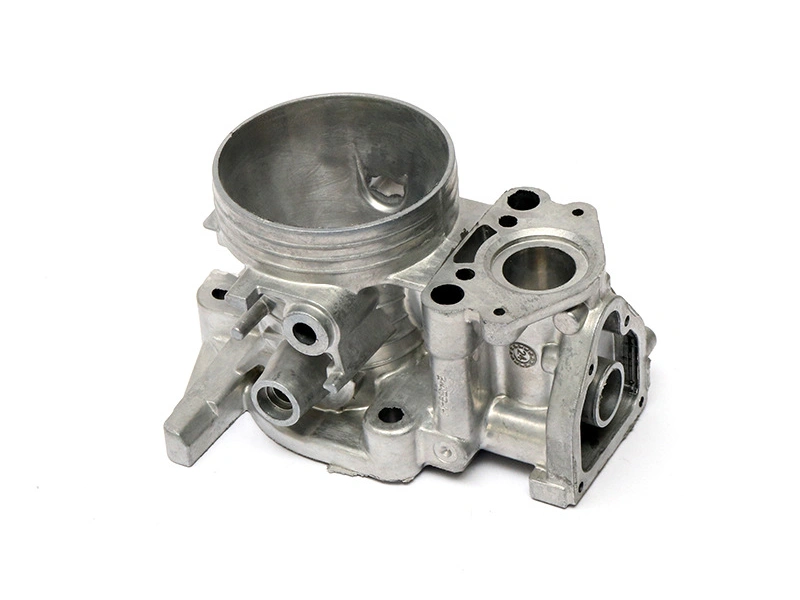
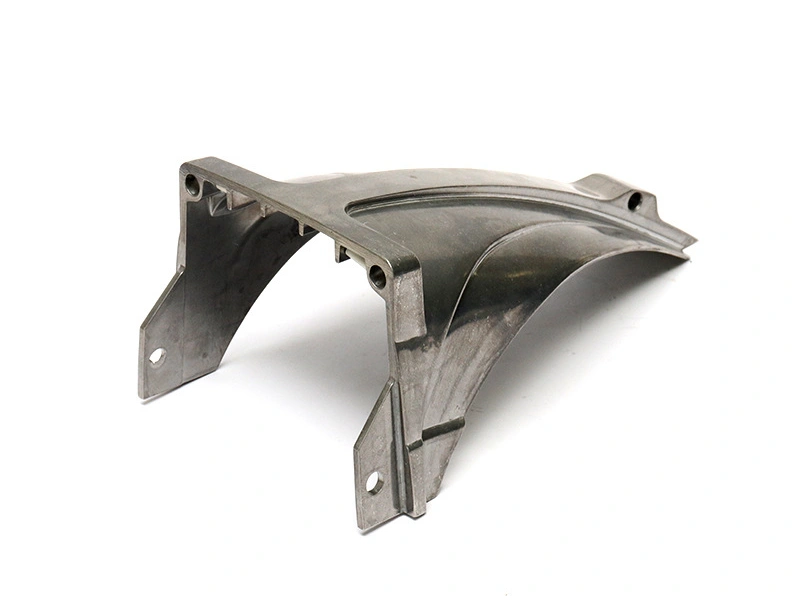
Buyers often ask for die cast aluminum material when they have a housing, cover, bracket, motor part, lighting body, heat sink frame, pump cover or electronic enclosure and need to know which alloy can be manufactured reliably. The answer should not be only a material list. The material must work with die tooling, gate flow, venting, CNC machining, coating and inspection.
A380 is widely used for general aluminum die cast parts. ADC12 is common in supply chains that use Asian material standards. A360 may be reviewed when corrosion direction or pressure-related review matters. A413 may be reviewed for fluidity-sensitive shapes or selected leak-sensitive applications. The buyer should confirm the alloy assumption before comparing quotes because different materials can change cost, quality risk and approval evidence. For alloy-sensitive projects, A380 aluminum die casting is a better reference than treating every aluminum or zinc grade as interchangeable.
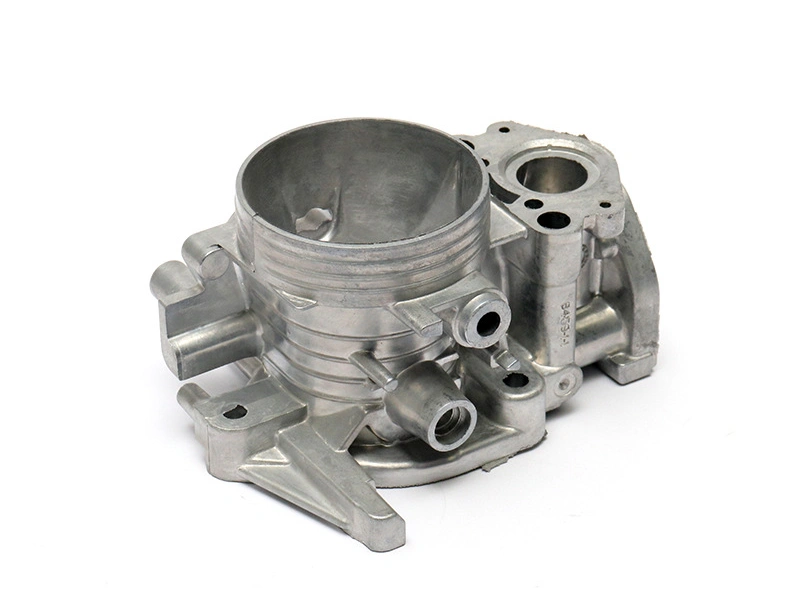
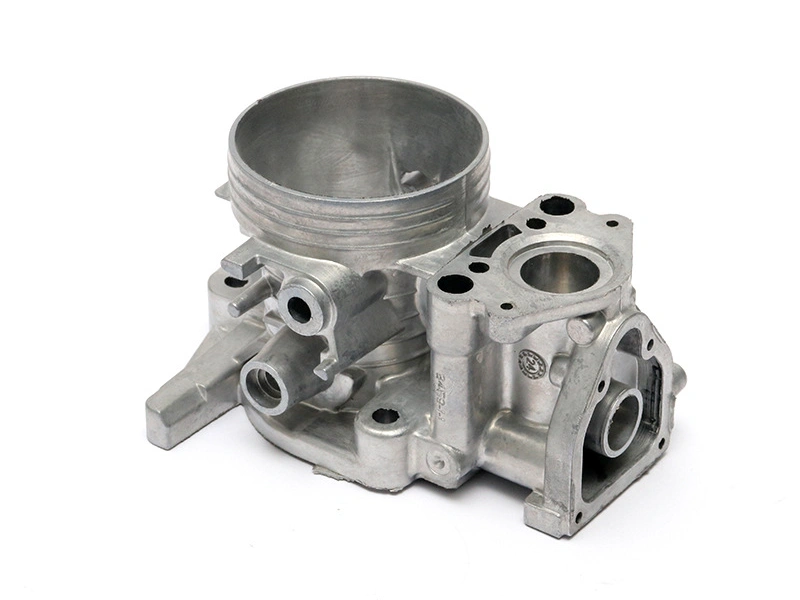
Common Materials Used for Die Cast Aluminum Parts
Common die cast aluminum materials are selected because they can fill complex steel dies, form near-net shapes and support production after tooling approval. These materials are usually not chosen for the same reasons as wrought aluminum such as 6061 or sand casting alloys such as A356-T6. HPDC materials must handle fast filling, die temperature, ejection, trimming and local CNC machining.
Material Direction | Typical Use | Buyer Watch Point |
|---|---|---|
A380 | General die cast housings, covers, brackets and industrial parts | Good balance, but porosity and finish still need design control |
ADC12 | Automotive, electronics and industrial die cast parts in Asian supply chains | Confirm equivalent standards and documentation |
A360 | Selected parts needing corrosion direction or pressure review | Check cost, availability and actual benefit for the application |
A413 | Fluidity-sensitive features or selected leak-sensitive projects | Review mechanical needs, machining and acceptance criteria |
Material naming should be precise. If a drawing says only "aluminum die casting", suppliers may quote different alloys. If the buyer expects ADC12 but receives an A380 quote, the commercial comparison may be misleading. If the buyer requires a material certificate or customer approval, the acceptable equivalent grade should be discussed before quotation.
Material Properties Buyers Should Compare
Buyers should compare die cast aluminum material by useful manufacturing properties, not only by a single strength value. Castability affects whether thin ribs, bosses and enclosure walls fill consistently. Corrosion direction affects outdoor housings and coated parts. Machinability affects threads, bores and sealing faces. Dimensional stability affects repeat production. Finish compatibility affects painting, powder coating and any anodizing review.
Property | Why Buyers Care | Manufacturing Link |
|---|---|---|
Fluidity | Helps thin features and complex shapes fill | Gate design, venting and wall thickness |
Strength direction | Controls brackets, housings and mounting areas | Ribs, bosses and local machining |
Corrosion direction | Matters for outdoor or wet applications | Alloy choice plus coating or sealing |
Machinability | Affects threads, bores and machined faces | CNC tool choice, fixtures and inspection |
Finish response | Controls cosmetic approval and coating risk | Surface preparation, masking and sample approval |
How A380 Fits Die Cast Aluminum Projects
A380 is a common choice for die cast aluminum material because it offers practical castability, cost and general mechanical performance for many production parts. It is often considered for housings, covers, brackets, motor parts, lighting components, equipment enclosures and industrial parts. Buyers choose it when the part needs near-net shape, repeat production and local machining after casting.
A380 still requires engineering review. Heavy bosses can create porosity. Thin walls need flow and venting review. Machined sealing faces need allowance and inspection. Powder coated parts need surface preparation and masking. If the part has pressure or leak requirements, A380 may still work, but the design and inspection plan must control porosity-sensitive zones.
Buyers should ask whether A380 is being recommended because it is technically suitable or simply because it is the supplier's default. A default material can still be correct, but the supplier should prove it against the part's risks. For a standard motor cover, A380 may be straightforward. For a sealed gearbox cover, the supplier should explain how the die, venting and machining plan protect the sealing face.
How ADC12 Compares in Die Cast Aluminum Material Selection
ADC12 is widely used in die cast aluminum production, especially in supply chains familiar with Japanese or Asian standards. Buyers may see ADC12 on drawings for automotive, electronics and industrial components. It is often compared with A380-type directions, but equivalent approval should not be assumed without checking the drawing, customer requirements and documentation.
When comparing ADC12 and A380, buyers should review supply chain standard, material certificate wording, machining behavior, finish requirements and customer acceptance. A supplier may be able to produce the part in either direction, but the quote should state which material is assumed. If the buyer's downstream customer requires ADC12, the equivalent question must be answered before tooling begins.
Equivalent material review should be written into the project record. A buyer may approve A380 as an equivalent to ADC12 for one program but reject that substitution for another customer-controlled program. Material flexibility should never be assumed across all projects. The quote, drawing revision and first article package should all use the same material wording.
When A360 or A413 May Be Reviewed
A360 may be reviewed when corrosion direction, pressure-related requirements or selected functional needs matter. It can be a useful material direction in some aluminum die casting discussions, but buyers should confirm availability, cost and whether the performance advantage matters for the actual part. It should not be selected only because it sounds more specialized. For alloy-sensitive projects, A360 aluminum die casting is a better reference than treating every aluminum or zinc grade as interchangeable.
A413 may be reviewed when fluidity is important for thin or complex features, or when selected pressure-sensitive requirements need attention. The buyer should still review strength, machining, porosity, finish and inspection. Material choice cannot replace good die design, venting, process control and sample validation. When the drawing is still open, A413 aluminum die casting gives buyers a useful reference for comparing alloy trade-offs before RFQ release.
How Material Choice Affects Porosity and Machining
Die cast aluminum material affects porosity behavior, but geometry and tooling often matter more than the alloy name alone. Gas porosity can come from trapped air and turbulence. Shrinkage porosity can occur near thick sections. A material may have good castability, but a heavy boss near a machined hole can still create exposed pores after CNC machining.
Machining should be planned with material and local casting quality in mind. Threaded holes, sealing faces, bearing bores, locating pads and flat mounting surfaces commonly need CNC machining after casting. If these features are near thick sections or porosity-sensitive zones, the supplier should review wall thickness, gate flow, venting and machining allowance before tooling.
For parts with pressure or sealing function, material review should include acceptance criteria. The buyer should define leak rate, test pressure, machined sealing zones and whether X-ray or section review is needed. For simple brackets, this level of inspection may not be necessary. The material decision should match the part's real risk level.
Material-Related Risk | Where It Shows Up | Buyer Control |
|---|---|---|
Porosity exposed by machining | Gasket faces, bores and threaded bosses | Mark critical zones and request trial inspection |
Finish variation | Painted, powder coated or anodizing-reviewed surfaces | Approve finished sample and define defects |
Equivalent grade confusion | Supplier quote and customer documentation | State approved material and substitution rule |
Machining instability | Threads, bores and datum surfaces | Define fixture datums and final inspection |
Surface Finish and Die Cast Aluminum Material
Surface finish should be considered during die cast aluminum material selection. Painting and powder coating are common, but pores, flow marks, ejector marks, parting lines and surface texture can affect appearance. Buyers should define A-side surfaces, color, gloss, coating thickness, masking areas and acceptable defects before production samples.
Anodizing requires extra caution. Die cast aluminum alloys often contain silicon and may not produce the same decorative anodized appearance as wrought aluminum. If the buyer needs consistent decorative anodizing, the supplier should review test samples or compare other routes. If the finish is functional rather than decorative, coating thickness and masked surfaces still need attention. When the drawing is still open, aluminum die casting alloy options gives buyers a useful reference for comparing alloy trade-offs before RFQ release.
Finish selection can also influence material approval. A part that will be powder coated may tolerate a different visual base condition than a part sold as raw metal. A part that needs electrical grounding may require masked conductive zones. A part exposed to outdoor weather may require pretreatment, coating thickness and packaging rules. Buyers should ask for finished samples before approving the material for production.
Short Example: Die Cast Aluminum Gearbox Cover
A buyer needed a die cast aluminum gearbox cover with a machined bearing bore, gasket face, four tapped holes and outdoor powder coating. A380 was the initial material direction because the part needed production tooling and stable unit cost. The buyer also asked whether A360 would improve corrosion direction. After review, the supplier found that coating and sealing-face machining mattered more than switching alloy.
The project kept an A380-type direction, adjusted one heavy boss to reduce porosity risk near a tapped hole, added machining allowance on the gasket face and defined powder coating with masked bores and threads. The first article package included dimensional report, machined bore inspection, coating sample and gasket face review. The material decision worked because it was connected to design and process controls.
Production Validation for Die Cast Aluminum Material
Production validation should prove the material in the condition the buyer will receive. If the finished part includes casting, trimming, CNC machining, powder coating and inspection, then material approval should include the same chain. A raw casting in A380 does not prove the powder coated and machined part. An ADC12 material record does not prove that a machined sealing face is free from unacceptable pores.
Useful validation may include material record, first article inspection, CMM report for critical features, thread gauge check, coating sample, leak test or X-ray review when required. The validation package should match the part function. A simple cover may need fewer records than a sealed housing or a customer-audited automotive component.
Supplier Workflow for Material Selection
A supplier workflow for die cast aluminum material should start with the drawing and application, then review alloy direction, tool design, porosity-sensitive features, machining scope, finish and inspection. The material recommendation should be connected to a production method. If A360 is recommended, the supplier should explain why corrosion or pressure direction matters. If ADC12 is recommended, the supplier should explain the standard and documentation.
Neway's workflow can connect material selection to tool and die making, die casting, CNC machining, surface finishing and inspection. This prevents the material decision from being isolated from the finished-part requirement.
RFQ Checklist for Die Cast Aluminum Material
A die cast aluminum material RFQ should include 3D model, 2D drawing, preferred alloy or open recommendation, equivalent material rules, quantity, annual volume, application environment, machined features, finish, inspection needs and delivery target. If the buyer requires ADC12, A380, A360 or A413, that should be stated clearly. If the supplier may recommend an alternative, that approval path should also be clear.
RFQ Item | Why It Matters | Example Note |
|---|---|---|
Preferred material | Controls alloy assumption and quote comparison | A380 preferred, ADC12 equivalent allowed after review |
Material documents | Controls customer approval and certification | Material record required with first article |
Machined features | Shows where porosity and allowance matter | Machine bearing bore, gasket face and M6 threads |
Finish | Controls coating, masking and cosmetic risk | Black powder coating, mask bores and threads |
Environment | Controls corrosion, temperature and functional review | Outdoor industrial housing |
Neway can review die cast aluminum material selection together with tooling, aluminum die casting, CNC machining, surface finishing and inspection planning. The strongest material decision is made from the finished part requirement, not from an alloy name alone. Before pushing for a lower quote, buyers can use whether one material can meet strength, cost and finish needs to check whether the cost is coming from real process scope.
Before release, buyers should confirm material grade, equivalent approval, die casting route, machined features, finish sample, inspection records and packaging. These records keep repeat orders aligned with the approved sample.
Common Mistakes When Specifying Die Cast Aluminum Material
One common mistake is copying a material note from an old drawing without confirming whether the new supplier, region or customer standard uses the same grade. Another is asking several suppliers to quote "aluminum die casting" without naming A380, ADC12 or another direction, then comparing prices as if the material basis were identical. Buyers also create risk when they approve a raw casting material before checking machined surfaces, coating and inspection.
Another mistake is expecting material selection to solve design problems. A different alloy may help in selected cases, but it cannot fully compensate for heavy bosses, poor venting, unrealistic tolerances or undefined finish standards. If a threaded boss repeatedly shows pores, the project may need boss redesign, gate review or machining allowance changes, not only a material switch. When the drawing is still open, how to choose die-cast aluminum material gives buyers a useful reference for comparing alloy trade-offs before RFQ release.
How to Lock Material for Repeat Production
For repeat production, the approved material should be locked with drawing revision, supplier material record, equivalent approval rule, first article report and finished sample. If the part has coating, the finish sample should remain part of the production standard. If the part has machined critical dimensions, the inspection plan should remain tied to the same material and casting route.
When a repeat order arrives months later, the supplier should not reinterpret the material from memory. The production record should show whether A380, ADC12, A360 or A413 was used, which equivalent was approved, which features were machined, and which finish or test standard applied. This is especially important for parts that enter assemblies or customer-audited programs.
Buyers should also lock the reason for the material choice. If A360 was selected for corrosion direction, the record should show the environment and finish. If A413 was selected for fluidity or leak-sensitive features, the record should show the critical zones and test method. If A380 was selected for general production balance, the record should show which machining and finish standards were approved. This makes future engineering changes easier to judge because the team understands what the material was protecting.
A material review should be repeated when the part changes. Adding a boss, moving a sealing face, changing coating, increasing annual volume or changing the customer standard can all affect whether the original die cast aluminum material remains the best choice.
This review protects material control during future engineering changes and reorders.
For die cast aluminum parts, material approval should always travel with the approved tool condition, machined sample, finish sample and inspection plan. That package gives purchasing, engineering and quality teams the same reference point when production resumes.
FAQ
What Materials Are Commonly Used for Die Cast Aluminum Parts?
How Do A380 and ADC12 Compare for Die Cast Aluminum Material?
When Should Buyers Review A360 or A413 for Aluminum Die Casting?
How Do Machining and Surface Finish Affect Die Cast Aluminum Material Choice?
What Information Is Needed to Quote Die Cast Aluminum Material?