High-Strength Zinc Die Casting for Intricate Fashion Accessories and Jewelry
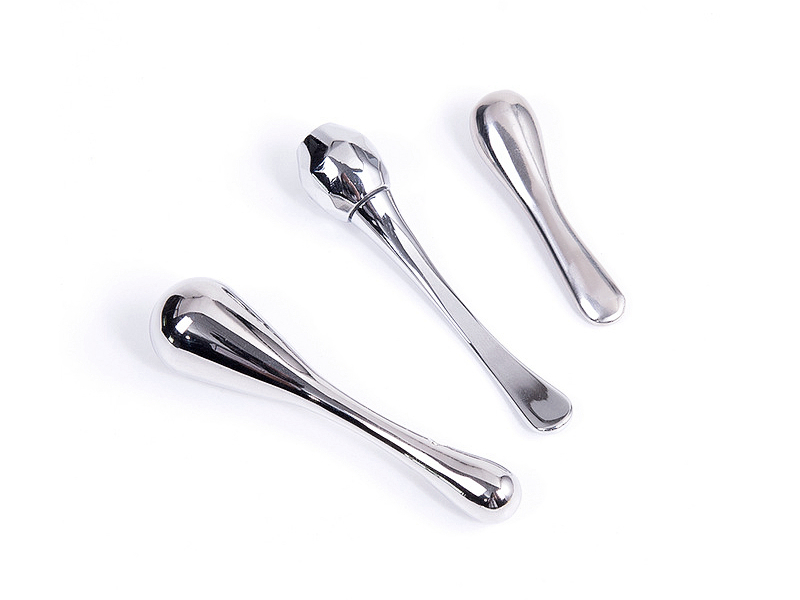
Zinc die casting can be a cost-effective route for branded plaques, zipper pulls, belt and bag hardware, buckles, buttons, charms, pendants, brooch or earring bodies, decorative frames and selected closures when intricate geometry, substantial feel and a plated or coated appearance matter. "High strength" must be tied to the component. A logo plate mostly needs appearance and attachment integrity; a snap hook, clasp, hinge or chain connector also needs load, fatigue, impact and wear evidence.
Zamak should not be declared skin-safe or hypoallergenic from the alloy name or topcoat alone. Direct and prolonged skin contact, pierced-body use, children's products and non-contact bag hardware have different exposure and regulatory questions. Base-metal composition, every finish layer, pores, edges, solder or adhesive, wear-through, sweat, cleaning and target markets determine the required substance and release evidence.
Classify the accessory before choosing Zamak
State whether the item is decorative only, a load-bearing closure, a wearable surface-contact product, a pierced-body component, children's accessory, garment trim, handbag hardware, footwear hardware or a multi-material jewelry assembly. Identify wearer contact duration and location, foreseeable mouthing if relevant, laundering or cleaning, water and cosmetics, intended lifetime and failure consequence.
Name the Zamak component. A pendant body, buckle frame, prong setting, hinge barrel, swivel housing, logo badge, zipper pull and spring-hook body each present different casting, edge, wear and assembly risks. Do not let a decorative product category hide a functional load path.
List all materials: pins, springs, jump rings, chains, posts, earring wires, clasps, magnets, stones, glass, enamel, resin, solder, braze, adhesive, paint, plating and clearcoat. The marketed product claim belongs to this complete bill of materials and process chain.
Decide whether zinc fits mass, feel, detail, and volume
Zinc die casting can integrate raised logos, recessed color cells, textured backgrounds, stone seats, bosses, pivots, attachment loops and undercut features using slides where justified. Its density can create deliberate weight and perceived substance. The same weight can make large earrings uncomfortable, pull a garment or increase impact on a bag attachment.
Compare zinc with brass, steel, stainless steel, aluminum, precious-metal alloys, plastic, resin, stamping, machining, investment casting and metal-injection or powder routes where relevant. Brass or stainless may suit exposed skin-contact or wear interfaces differently. Stamping may be lighter for flat motifs. Investment casting can support other geometries and materials at different volume and surface economics.
Evaluate the finished architecture, not raw material cost. Include die and slide complexity, polishing labor, plating yield, stones or color fill, assembly, inspection, rejected appearance, packaging and seasonal obsolescence. A low casting price can lose if a broad mirror finish produces unstable yield.
Match each accessory class to its release evidence
Accessory class | Dominant engineering risk | Evidence needed before release |
|---|---|---|
Logo plate, charm or decorative button | Logo loss, pits, finish variation and attachment failure | Finished cavity samples, visual limits and attachment test |
Buckle frame, hook or clasp body | Root fracture, pin wear, opening force and edge wear-through | Production-intent assembly load, cycle and conditioned finish checks |
Pendant, brooch or ring body | Skin exposure, rough edges, mass and layer degradation | Complete BOM review, wear conditioning and applicable product tests |
Stone or color-filled ornament | Seat variation, adhesive cure, loose insert and overflow | Retention, impact, appearance boundaries and repair rules |
Seasonal multi-variant hardware | Wrong artwork, uneven cavity demand and obsolete inventory | Revision control, insert verification and variant-level demand plan |
This classification prevents one appearance sample from standing in for unrelated decisions. A polished plaque can approve color and gloss but cannot prove that a clasp survives repeated operation. Conversely, a strong raw buckle is not approved when its final coating binds the hinge or exposes an underlayer at the working edge. The release plan should name the decision, sample condition, responsible approver and affected variants.
Choose Zamak by detail, load, and finish route
Zamak 3 is a balanced starting point for many decorative and moderate-load accessories because of its established casting and finishing response. Zamak 5 may be compared for buckle lugs, hooks, hinge areas or loaded loops where strength, hardness or wear deserves more emphasis. Zamak 7 may enter fine-detail or thin-flow studies when fluidity addresses a real DFM problem. None is automatically the best plating base or lowest-cost choice for every style.
Zinc alloy specifications should identify exact standard and chemistry. Control impurities, mixed grades, melt contamination and internal returns. Finishing defects and long-term dimensional behavior can start in metal control; verify representative casting sections after polishing and finish.
Use a weighted comparison for detail fill, edge integrity, attachment load, fatigue, wear, mass, aging, finish compatibility, skin-contact strategy, yield and supply control. If the product relies on a thin jump-ring loop or tiny hinge, geometry and mating hardware may dominate the grade choice.
Translate artwork into castable and finishable detail
Convert logos, letters, filigree, textures and relief into controlled feature width, depth, spacing, radii, draft and edge hierarchy. Minimum printable detail on a rendering is not the same as minimum castable, polishable, plateable and visually readable detail. Fine recesses can trap polishing compound or plating solution; fine raised lines can round during polishing or receive excessive edge build.
Mark which regions need crisp shadow, high polish, antique recess, matte field, color fill, stone setting or laser/printed graphics. Build deliberate boundaries between finishes. A reveal line or texture break can hide a mask transition; an uncontrolled parting line through a logo becomes a permanent appearance problem.
Use zinc detail DFM to compare gate and flow paths, draft, undercuts and ejection. Approve production-intent decorated samples rather than a simple plaque.
Place gates, parting, and ejection around the A-surface
Define front, back, edges, attachment and touch zones. Locate gates, overflows, vents, parting, ejectors, slides and trim where their witness can be removed or accepted. A gate on the back can still distort a broad front face; a slide line may cut through a plated edge or create a burr against skin.
Thin loops, prongs, letters and hinge barrels need fill and ejection support. Sharp tool steel can wear and create flash that injures, snags fabric or blocks assembly. Replaceable inserts may support seasonal logos or high-wear details, but insert witness and change repeatability need approval.
Tool texture is only the first surface. Tumbling, blasting, polishing, brushing, plating and clearcoating can alter relief and edge contrast. Review the full process with the industrial designer, casting engineer and finisher before die release.
Design load-carrying closures and connections
Map applied load through buckle frame, tongue, hook, clasp, hinge, pin, loop, rivet, chain or textile attachment. Include pull direction, twisting, snag, impact, repeated opening, spring force and assembly. A cast body may pass a straight pull while a thin loop opens under an angled snag or a steel pin peens its Zamak bore.
Use adequate root radii, bearing length and contact area. Keep parting, ejector witness and flow joins away from high-stress roots when possible. Define hard stops so user overtravel does not strike a fragile decorative tab. Select pins, springs and jump rings for wear and corrosion with the cast body.
Test the finished assembly, including textile, leather, chain or mating clasp. Surface layers can change hinge clearance and crack at flexing edges. If the closure retains valuable or safety-relevant items, define appropriate factor, misuse and failure mode with the product owner rather than relying on a fashion category.
Eliminate sharp edges, snag points, and loose small parts
Inspect edge radius, flash, trim, burr, prong tips, clasp gaps and stone seats in the final finish state. A smooth raw edge can become sharp after a brittle layer chips; a polished edge can lose intended retention. Evaluate skin scratch, fabric snag and hair catch under realistic motion.
Stones, crystals, beads, magnets and decorative inserts need seat geometry, adhesive or mechanical retention, cure and pull or impact evidence. Consider swallowed-small-part and magnet hazards for relevant product categories and markets. Product safety ownership cannot be replaced by a supplier statement that assembly is strong.
Control broken needles, wires, polishing media and loose metal debris. Finished pieces are handled close to skin and garments. Define cleaning and inspection before packaging, including inaccessible recesses and moving joints.
Engineer plating, coating, and antique effects as layer stacks
Fashion finishes may include qualified copper-containing leveling or preparation layers, nickel-family or alternative barrier layers, decorative top layers, electrophoretic or other clear protection, paint, powder for suitable larger hardware, antique darkening or color fill. Names such as gold, rose gold, silver, gunmetal or antique brass describe appearance unless composition and layer construction are specified.
Zinc finishing options should define pretreatment, every underlayer and top layer, measurement locations, racks, masks, recess coverage, color/gloss/texture, wear, repair and packaging. A thin decorative top does not make a Zamak item equivalent to solid precious metal.
Antique effects deliberately leave contrast in recesses, so color removal and sealing must be controlled. Color fill and enamel-like systems need adhesion, cure, overflow, bubbles and edge acceptance. Laser marks can expose or modify a layer; qualify legibility, corrosion and skin-contact implications.
Treat skin-contact and hypoallergenic claims as product evidence
Identify direct, prolonged or intermittent skin contact, pierced-body use and user population. Determine applicable target-market chemical, metal-release and labeling requirements with qualified compliance counsel or laboratories. Requirements can depend on product category, contact duration and jurisdiction. Do not assume RoHS addresses jewelry skin exposure or that a nickel-free top layer proves the entire item nickel-free.
Review base alloy, recycled-metal controls, underlayers, topcoat, solder, posts, chains, clasps, adhesives, pigments and repair materials. Obtain controlled composition and supplier declarations for the actual materials and sites. Where required, test the finished product using applicable methods, including preconditioning or wear that represents service.
"Hypoallergenic" is not a universal technical grade. Human sensitivity varies, coatings can contain or expose sensitizing substances, and wear-through can reveal underlayers or base metal. Use precise claims supported by the product, market and evidence. For pierced posts or other high-exposure interfaces, a separate purpose-selected material may be more appropriate than plated Zamak.
Validate wear, sweat, cosmetics, and cleaning
Define contact with sweat, sebum, perfume, lotion, sunscreen, soap, detergent, household cleaners, chlorine or salt water according to use. Include abrasion from clothing, skin, chains, tables, zippers and adjacent components. UV and heat can shift organic colors or clearcoats.
Condition production-intent finished assemblies, then inspect color, gloss, tarnish, blister, pits, edge coverage, exposed underlayer, roughness, staining, adhesion, clasp function and insert retention. Check metal release or other substance performance after the prescribed wear/conditioning when applicable. A pristine coupon does not represent a clasp edge rubbing against skin.
The appearance and durability of a zinc coating depend on substrate preparation, complete layer construction and the actual exposure route. Record where a change begins: broad-face discoloration suggests a different investigation from edge wear, a blister above a casting pore or a chip beside a moving pin. Failure location helps separate design, casting, polishing, finishing and assembly actions.
Define care instructions that match the validated product. If swimming, perfume or ultrasonic cleaning is excluded, communicate it rather than implying unlimited durability. Packaging materials and anti-tarnish products must also be compatible with the finish and skin-contact claims.
Approve pilot production before the full collection
A seasonal pilot should include every cavity and a deliberate spread of visible finishes, logo inserts and working assemblies. Review raw casting yield, polishing removal, rack position, color distribution, logo readability, hinge or clasp operation, subcomponent fit and pack-out. Keep cavity identity through finishing; otherwise a recurring defect can disappear into a mixed lot until the collection is already built.
Use pilot evidence to set sampling, maintenance triggers and reaction plans. Define what stops one cavity, one finish load or the entire lot. Confirm whether reworked parts can be mixed with first-pass parts and what must be retested. The goal is not to make a showroom sample at any cost. It is to show that the approved appearance and function can be repeated at the planned assortment and volume.
Plan stones, color fill, graphics, and multi-material assembly
Set stone or insert seats from actual component tolerances, plating buildup and adhesive gap. Decide whether setting occurs before or after a finish and whether tools can scratch it. Mechanical prongs need bend and retention evidence; repeated rework can crack plating or weaken a small cast root.
Color fills need dams, venting, cure and wipe strategy. Fine recesses can trap bubbles; broad cells can show shrink or color variation. Graphics need registration to cast features and cavity identity. Approve master and boundary samples for color, relief and alignment.
Assembly planning should include pins, springs, rings, chains, stones, magnets, adhesives, solder or other joining, lubricant where used, fixtures, cure, cleaning and final inspection. Trace subcomponents and repair because one noncompliant post or chain can invalidate the marketed product.
Build seasonal tooling around approval gates
Fashion launch timing is often constrained by artwork freeze, physical appearance approval, color development, plating samples, stone or chain availability, packaging and campaign dates. Tool completion is only one branch. A first raw casting cannot release photography samples or production unless its finish, assembly and claim evidence are defined.
Tool planning should identify cavities, slides, replaceable logo or date inserts, fine steel, spare wear components, trial material, finish fixtures and correction loops. Reusable mold bases with controlled inserts may help collections, but changed geometry, flow or witness still requires validation.
Prototype routes can answer scale, drape, comfort, attachment and visual questions. Machined, printed or cast prototypes do not automatically reproduce production alloy, surface, weight distribution or plating. Keep a correlation and revalidation plan.
Control cosmetic yield and complete-product quality
Use marked A/B/hidden zones, viewing conditions, master and limit samples, defect definitions and color/gloss/texture methods. Inspect every cavity under controlled lighting. Trace alloy/melt, cavity, casting process, trim, polishing station and media, rack/load, baths or coatings, color fill, assembly operator, component lots and packaging.
Control special characteristics for loaded loops, pins, hinge alignment, clasp engagement, attachment and small-part retention. Use appropriate dimensional and functional gauges. Endurance, pull, twist, opening/closing, drop, abrasion and environment should match the product and its foreseeable use, with methods and acceptance set by the product owner.
Define rework limits for polishing, plating strip/replate, color repair, stone reset and edge blending. Rework can change dimensions, exposure and appearance. Keep repaired lots identifiable and recheck skin-contact, retention or mechanical evidence according to the affected process.
Prepare a decision-ready fashion-accessory RFQ
Provide artwork and released CAD, product/contact category, target markets and claims, dimensions, mass and comfort target, decorative zones, detail hierarchy, parting/gate restrictions, loads, closures and attachments, mating materials, finish stack or performance need, color/gloss/texture, stones/color fill/graphics, substances, wear and environment, tests, quantities, seasonal gates, inspection, repair, packaging and change rules.
Ask suppliers to return alloy and chemistry control, DFM and alternatives, gate/vent/ejection/witness plan, tooling and insert strategy, preparation and complete finish stack, racks/masks, detail and edge limits, assembly/sub-tier plan, compliance evidence responsibilities, validation, production controls, exceptions and dated assumptions. Compare quotes using finished acceptable yield and the same product evidence.
Release zinc fashion and jewelry components when production-intent finished products meet appearance, comfort, attachment, load, wear, substance and target-market requirements with controlled records. Zamak provides useful detail and economics, but durability and wearer suitability come from the entire design and process chain, including what remains after the decorative surface wears.
FAQs
What surface finishes are available for zinc fashion accessories?
Can Zamak castings be safely worn against skin or plated with hypoallergenic metals?
What level of detail can be achieved in decorative logo elements?
How fast can molds be developed for seasonal accessory collections?
What is the most cost-effective Zamak alloy for high-volume fashion castings?