Metales, plásticos y más: libertad total de materiales en impresión 3D
Introducción: verdadera libertad de materiales en la impresión 3D moderna
Como ingeniero en Neway, trabajo en proyectos que van desde soportes aeroespaciales ligeros hasta carcasas de electrónica de consumo con diseño estético. Una de las mayores ventajas de la fabricación aditiva es la libertad de materiales: la capacidad de elegir entre distintos materiales, incluidos metales, plásticos, compuestos y polímeros especiales, según requisitos de rendimiento específicos. A diferencia de los procesos tradicionales, la fabricación aditiva elimina muchas de las restricciones que limitan la geometría, el herramental y las combinaciones de materiales. Hoy, con procesos avanzados respaldados por nuestros servicios de impresión 3D, podemos entregar prototipos funcionales, componentes listos para producción y ensamblajes híbridos que equilibran peso, resistencia y desempeño ambiental.
Este blog explora las diversas familias de materiales disponibles para la impresión 3D y explica cómo los ingenieros determinan qué materiales son los más adecuados para aplicaciones estructurales, térmicas, estéticas o industriales.
Categorías de materiales para impresión 3D
Metales
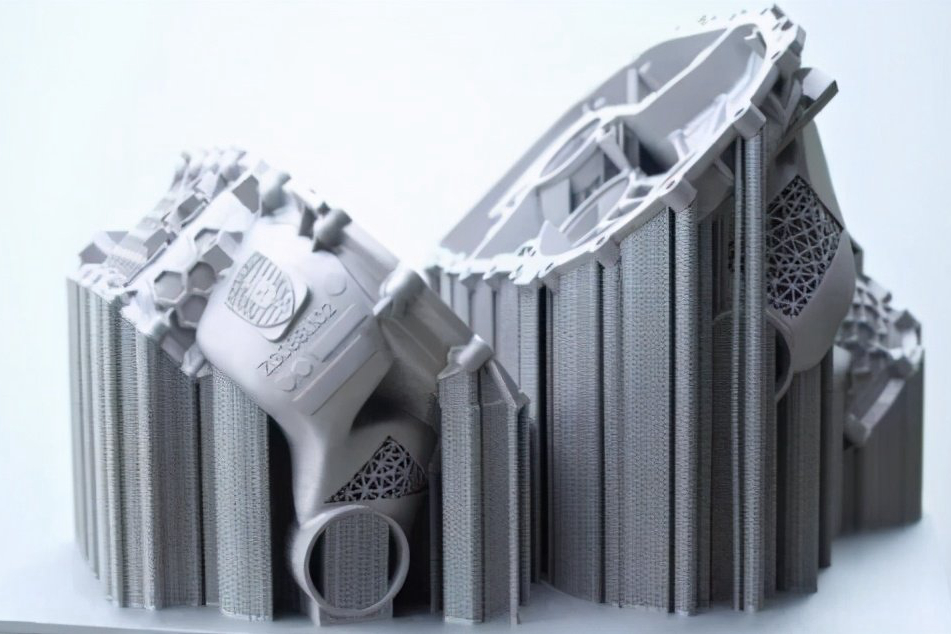
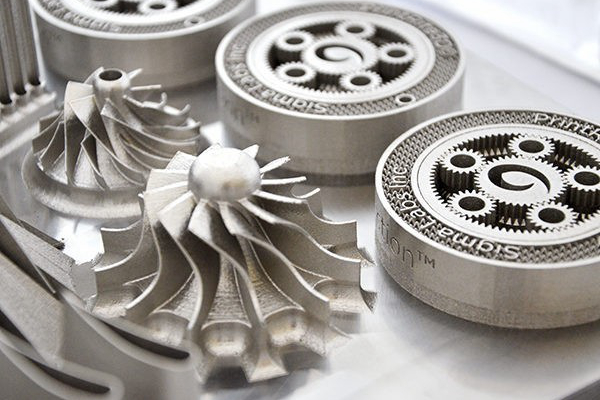
La impresión 3D en metal permite componentes funcionales de alta resistencia. Aluminio, acero inoxidable, acero para herramientas y aleaciones de cobre se usan ampliamente en sistemas aeroespaciales, automotrices y energéticos. A medida que la tecnología avanza, la impresión metálica sigue ofreciendo mejores propiedades mecánicas y microestructuras más confiables.
Plásticos
Los plásticos siguen siendo la familia de materiales más versátil para prototipos y piezas de producción. Polímeros flexibles, termoplásticos rígidos y plásticos de alta temperatura ofrecen una amplia gama de opciones de ingeniería, desde carcasas con encaje a presión hasta alojamientos compatibles con fluidos.
Compuestos
La impresión de compuestos combina polímeros con fibras o rellenos para lograr mayor rigidez, mejores relaciones resistencia-peso o un mejor desempeño térmico. Estos materiales se usan para utillajes, plantillas, fijaciones y componentes industriales que deben soportar cargas operativas.
Materiales de ingeniería para alta temperatura
Para entornos exigentes, los polímeros de alta temperatura como PEI y PEEK ofrecen integridad estructural a temperaturas elevadas, además de excelente resistencia química y propiedades de aislamiento eléctrico.
Elastómeros y polímeros tipo caucho
Los materiales flexibles son esenciales para juntas, sellos, productos portables y componentes de absorción de impactos. Su capacidad para imitar el caucho tradicional los hace adecuados para muchos usos de consumo e industriales.
Opciones de impresión 3D en metal y propiedades de ingeniería
Materiales de aluminio para estructuras ligeras
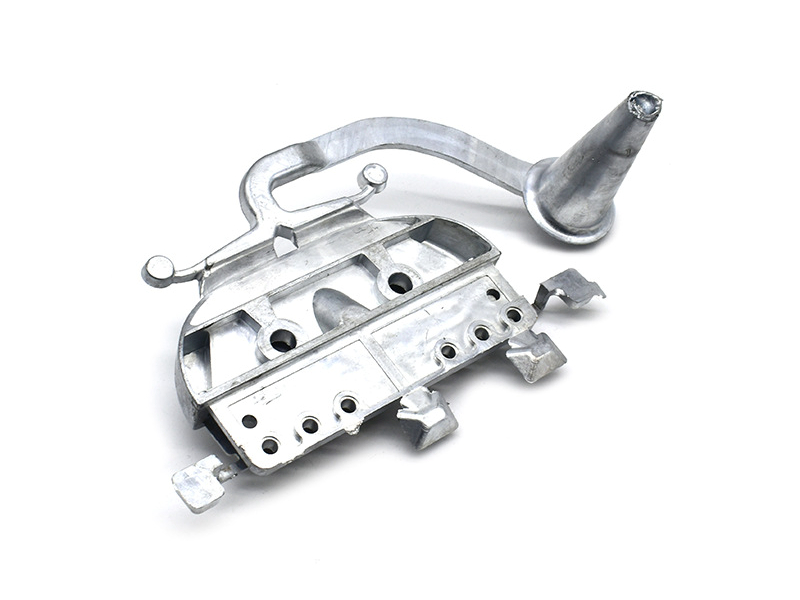
El aluminio ofrece una de las combinaciones más atractivas de ahorro de peso y desempeño mecánico. Se utiliza ampliamente en drones, carcasas automotrices, estructuras de gestión térmica y prototipos funcionales que se benefician de la iteración y el desarrollo rápidos. Las aleaciones de aluminio también pueden integrarse con flujos de trabajo de fundición a presión o con pasos híbridos de mecanizado usando nuestro mecanizado CNC para alcanzar altos niveles de tolerancia.
Acero inoxidable y acero para herramientas para resistencia
Los aceros inoxidables ofrecen durabilidad excepcional, resistencia a la corrosión y alta resistencia mecánica. Los aceros para herramientas son ideales para matrices, insertos, fijaciones y herramental funcional. Estos materiales son muy relevantes para industrias que requieren resistencia y confiabilidad bajo carga.
Aleaciones a base de cobre para conductividad
Las aleaciones de cobre ofrecen excelente conductividad eléctrica y térmica. Se usan comúnmente en intercambiadores de calor, conectores eléctricos y componentes de RF. Con un control preciso de fusión y enfriamiento, el cobre ayuda a los ingenieros a optimizar la disipación de calor en espacios congestionados.
Aleaciones de alta temperatura para aeroespacial y energía
Las superaleaciones ofrecen una estabilidad térmica sobresaliente y resistencia a la oxidación. A menudo se usan para soportes aeroespaciales, carcasas resistentes al calor y componentes de generación de energía. Estas aleaciones complementan formulaciones metálicas de alto desempeño como las que se encuentran en aleaciones cobre-latón al seleccionar componentes para ensamblajes híbridos.
Materiales resistentes a la corrosión y al desgaste
La impresión metálica permite a los ingenieros diseñar y personalizar geometrías para sistemas de fluidos, componentes marinos y equipos industriales, garantizando al mismo tiempo excelente resistencia a la corrosión.
Opciones de plásticos y polímeros
Termoplásticos estándar para prototipos
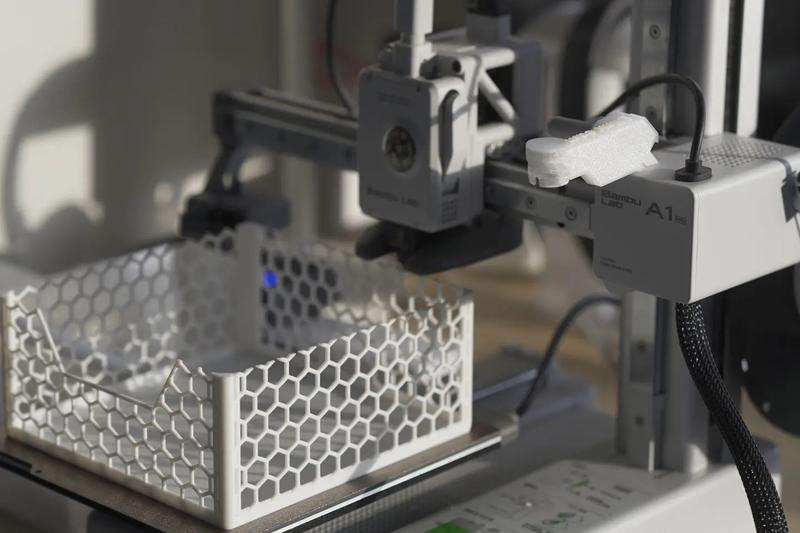
Materiales como ABS y PLA proporcionan prototipos de bajo costo y rápida entrega. Son ideales para probar ergonomía, formas y diseño conceptual.
Plásticos de ingeniería para piezas funcionales
Los polímeros de ingeniería presentan estabilidad mecánica y resistencia al impacto. Permiten a los diseñadores probar componentes estructurales sin cambiar a metal.
Plásticos de alta temperatura
Materiales como PEI y PEEK brindan excelente estabilidad térmica, por lo que son adecuados para componentes aeroespaciales, entornos de esterilización médica y maquinaria industrial.
Polímeros flexibles y resistentes al impacto
Los elastómeros permiten absorción de impactos, amortiguación de vibraciones y la creación de productos de consumo duraderos. Su uso crece en dispositivos portables e interfaces de producto.
Resinas transparentes y de grado estético
Para productos que requieren atractivo visual o transmisión de luz, las resinas transparentes permiten evaluar propiedades ópticas y producir carcasas translúcidas. Estos materiales combinan bien con métodos de acabado superficial respaldados por postprocesado para fundición a presión.
Materiales compuestos e híbridos
Polímeros reforzados con fibra
El refuerzo con fibra de carbono y fibra de vidrio aporta rigidez y resistencia. Se usan en aeroespacial, automotriz y otras industrias para herramientas, plantillas y fijaciones.
Compuestos con relleno cerámico y con relleno metálico
Los materiales de relleno mejoran la resistencia térmica, la resistencia al desgaste o la densidad, manteniendo la facilidad de impresión.
Híbridos polímero-metal
Estos materiales híbridos ofrecen un equilibrio óptimo entre la flexibilidad de los polímeros y el desempeño de los metales.
Aplicaciones que requieren optimización rigidez-peso
Los materiales compuestos permiten a los ingenieros reducir peso sin comprometer requisitos estructurales.
Cómo elegir el material adecuado: criterios de ingeniería
Resistencia, rigidez y fatiga
Las propiedades estructurales determinan si un material es adecuado para componentes portantes o de alto ciclo.
Resistencia térmica, resistencia química y comportamiento eléctrico
Las condiciones ambientales dictan la selección del polímero. Algunas aplicaciones requieren escudos térmicos, barreras químicas o aislantes eléctricos.
Acabado superficial, tolerancias y postprocesado requerido
Las necesidades de tratamiento superficial varían según el material. Algunos metales pueden requerir acabado híbrido adicional, como fundición de uretano o mecanizado.
Escala de producción
La impresión 3D es ideal para fabricar prototipos únicos, lotes cortos y geometrías complejas difíciles de moldear o fundir.
Consideraciones de costo y fabricabilidad
El costo del material, el tiempo de máquina y el postprocesado influyen en el costo total de producción.
Aplicaciones industriales habilitadas por la variedad de materiales
Estructuras ligeras aeroespaciales
Metales y compuestos de alta resistencia permiten diseñar soportes ligeros, carcasas y prototipos funcionales para aviación y naves espaciales. Estas capacidades se alinean con nuestra experiencia en componentes aeroespaciales.
Piezas finales y herramental automotriz
Los OEM automotrices dependen de la fabricación aditiva para acelerar el prototipado y validar estructuras funcionales. Proyectos con fabricación automotriz demuestran cómo los metales impresos se integran con ensamblajes fundidos o mecanizados.
Carcasas electrónicas y componentes térmicos
Con la creciente demanda de carcasas de precisión, soportes estructurados y sistemas de gestión térmica, los materiales aditivos respaldan aplicaciones similares a las desarrolladas para electrónica de consumo.
Prototipos funcionales médicos
Los polímeros biocompatibles y los plásticos de alta temperatura esterilizables se usan ampliamente en el desarrollo de fijaciones y dispositivos médicos.
Productos de consumo con geometrías complejas
La impresión 3D permite a los diseñadores desarrollar soluciones ergonómicas, formas artísticas y bienes de consumo funcionales sin las restricciones del herramental tradicional.
Requisitos de postprocesado por tipo de material
Mecanizado y pulido de impresiones metálicas
Las impresiones metálicas suelen requerir mecanizado para finalizar tolerancias. La integración estrecha con prototipado rápido garantiza un desarrollo fluido del concepto a la pieza terminada.
Acabado superficial de polímeros
Los polímeros pueden requerir lijado, alisado por vapor o recubrimientos, según los requisitos de calidad superficial.
Recubrimientos, galvanizado y sellado
Los materiales metálicos y poliméricos pueden sellarse o recubrirse para mejorar su resistencia a la corrosión o sus propiedades de aislamiento eléctrico.
Tratamiento térmico y alivio de tensiones
Los procesos térmicos estabilizan las tensiones internas, mejorando la estabilidad dimensional bajo carga.
Integración de la impresión 3D en flujos de fabricación
Flujos híbridos con mecanizado CNC
La impresión 3D metálica, combinada con mecanizado, mejora la precisión y optimiza los procesos de fabricación.
Combinar moldeo e impresión
La geometría impresa puede utilizarse como patrón maestro para fundición mediante fundición en arena o para la fabricación de moldes de bajo volumen.
Prototipado rápido para validación de diseño
La impresión 3D acelera los ciclos de iteración y permite una convergencia más rápida hacia diseños de piezas fabricables.
Documentación y aseguramiento de calidad
La trazabilidad de materiales, los ensayos y la verificación dimensional garantizan el desempeño consistente de las piezas impresas durante todo el proceso de producción. Estas prácticas también forman parte de nuestro flujo de trabajo de fabricación integral.
Resumen: cómo la libertad de materiales amplía las posibilidades de diseño
La impresión 3D brinda una libertad de materiales sin precedentes para los ingenieros. Ya sea trabajando con aluminio, acero, polímeros o materiales compuestos, la fabricación aditiva ofrece la flexibilidad necesaria para innovar sin restricciones. Al integrar procesos avanzados, opciones de postprocesado y flujos híbridos, Neway ayuda a los clientes a transformar conceptos en productos con precisión y rapidez.
FAQs
¿Cuáles son los materiales más resistentes disponibles para impresión 3D?
¿Puede la impresión 3D manejar aplicaciones de alta temperatura o resistentes a químicos?
¿Son adecuados los materiales compuestos para impresión 3D en producción de uso final?
¿Qué pasos de postprocesado se requieren para impresiones metálicas vs. plásticas?