
Libera la creatividad con impresión 3D totalmente personalizable
Introducción — Por qué la personalización importa hoy
Como ingeniero en Neway, he trabajado con equipos de diversas industrias, incluidas la electrónica de consumo, la automotriz, la aeroespacial y el diseño industrial. Una tendencia se ha vuelto inconfundiblemente clara: la personalización ya no es un lujo; es una expectativa. Hoy los productos deben ser más ligeros, más ergonómicos, visualmente distintivos y, a menudo, adaptados al usuario. La fabricación tradicional tiene dificultades con la personalización porque el herramental, los cambios de molde y las configuraciones de mecanizado hacen que la variación sea costosa.
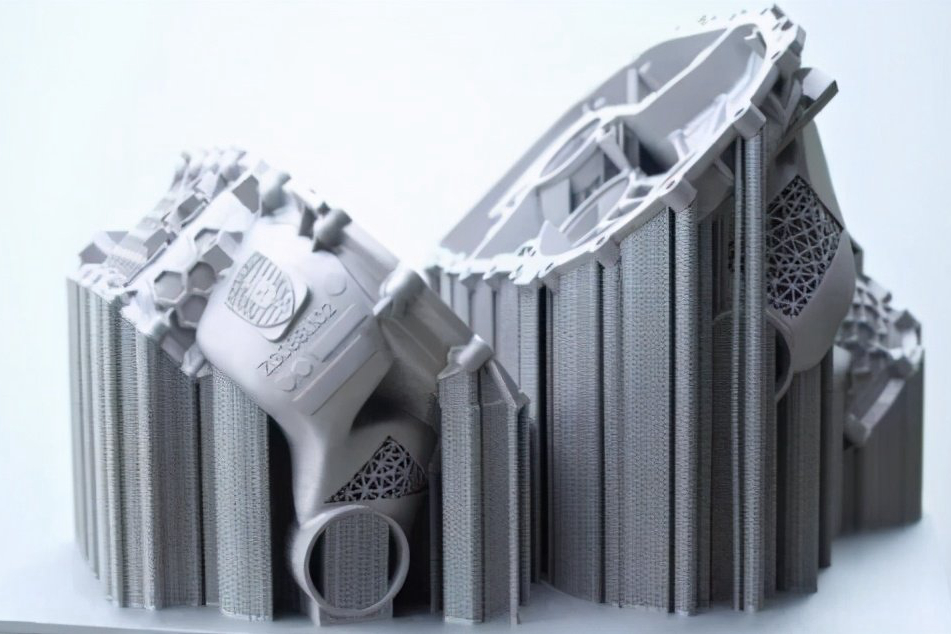
Ahí es exactamente donde la impresión 3D totalmente personalizable transforma el panorama. Con la impresión 3D, los ingenieros pueden crear componentes complejos, únicos o altamente personalizados sin las limitaciones de la fabricación tradicional. Ya sea un agarre a medida, un patrón estético o una celosía interna ligera, la fabricación aditiva ofrece a los diseñadores una libertad sin precedentes.
El poder de la impresión 3D personalizable
Del concepto a un producto único sin herramental
La personalización suele fallar en los flujos de trabajo tradicionales porque el herramental introduce una geometría fija. En cambio, la impresión 3D convierte archivos de diseño digitales directamente en piezas físicas. Sin herramental no hay barreras para la variación: cada pieza puede ser diferente, sin penalizaciones de costo.
Variaciones de diseño infinitas
Los modelos paramétricos permiten a los diseñadores modificar dimensiones, estética y estructura al instante. Ya sea producir una pieza o cincuenta variaciones, el esfuerzo sigue siendo prácticamente el mismo.
Perfecta para piezas únicas y ediciones especiales
Productos de consumo personalizados, piezas artísticas o carcasas de dispositivos pueden producirse en lotes limitados sin modificaciones costosas del molde. Esta flexibilidad es especialmente valiosa para la validación temprana del diseño mediante prototipado rápido.
Libertad de diseño sin límites de fabricación
Geometrías complejas
Los procesos tradicionales como el mecanizado CNC o el moldeo suelen tener dificultades con cavidades profundas, socavados y formas orgánicas. La fabricación aditiva maneja estas características con facilidad.
Personalización funcional
Los ingenieros pueden ajustar la rigidez, el espesor, la estructura interna o la distribución de peso de una pieza según requisitos de rendimiento específicos. Geometrías reticulares, secciones huecas y espesores de pared variables son totalmente viables.
Personalización estética
Texturas superficiales, patrones grabados, tipografía, canales de iluminación y motivos artísticos únicos pueden integrarse directamente en el modelo. No se requieren pasos secundarios salvo que se desee un acabado adicional.
Opciones de materiales para una personalización total
Plásticos para creatividad y función
Los materiales van desde TPU flexible hasta nylon rígido o resinas transparentes. Esto permite a los diseñadores equilibrar flexibilidad, resistencia y apariencia.
Metales para diseños personalizados de alto rendimiento
Cuando se requiere resistencia funcional—como disipadores térmicos, soportes o herrajes portables—las impresiones metálicas son una excelente alternativa antes de pasar a flujos de trabajo de fundición de metales.
Opciones multimaterial
La suavidad superficial, la variedad de color y la respuesta táctil pueden implementarse mediante impresión multimaterial o combinando la impresión con procesos de colada blanda como la fundición de uretano.
Impacto del material en los resultados finales
La elección del material afecta el color, el acabado, la durabilidad y la sensación superficial. Los plásticos de ingeniería tienden a producir prototipos más robustos, mientras que las resinas estéticas ofrecen mejor resolución de superficie.
Flujo de trabajo para crear impresiones 3D totalmente personalizadas
Preparación CAD y modelado paramétrico
La creatividad comienza con el diseño digital. Las herramientas paramétricas permiten crear modelos cuyas dimensiones, formas o características decorativas pueden modificarse al instante sin necesidad de reconstruir el modelo.
Integración de datos escaneados
Para dispositivos ergonómicos, ajustes médicos o componentes portables, los flujos de escaneo proporcionan geometría precisa. Los agarres personalizados para herramientas o controladores pueden adaptarse perfectamente a la mano del usuario.
Impresión, acabado y postprocesado
Después de imprimir, las piezas pueden pasar por procesos adicionales como pulido, recubrimiento, pintura o mecanizado. El postprocesado es especialmente importante para piezas que pasan a fundición en arena o que se usan como modelos maestros.
Combinación de procesos para personalización híbrida
Para diseños que requieren precisión y robustez, la impresión 3D puede combinarse de forma fluida con la fundición a presión de aluminio o incluso la fundición a presión de zinc para producir versiones de grado producción a escala.
Aplicaciones en campos creativos e industriales
Productos de consumo
Joyas personalizadas, piezas artísticas, decoración del hogar y accesorios se benefician de la flexibilidad impulsada por el diseño. Integrar la impresión con carcasas de electrónica de consumo permite a los diseñadores crear rápidamente prototipos únicos o ediciones especiales.
Diseño industrial
El prototipado con impresiones personalizables acelera las pruebas de usuario, los estudios ergonómicos y la validación funcional. Los diseñadores pueden evaluar múltiples conceptos simultáneamente.
Aplicaciones médicas y ergonómicas
Plantillas ortopédicas personalizadas, sensores portables y agarres adaptados a la anatomía humana dependen de la personalización como requisito, no como opción.
Creatividad de ingeniería para robótica y drones
Estructuras ligeras y optimizadas y geometrías únicas permiten a los equipos de robótica reducir peso, mejorar aerodinámica e integrar rutas internas complejas.
Ventajas de la impresión 3D totalmente personalizada
Cero restricciones de moldeo
Sin líneas de partición, ángulos de desmoldeo ni limitaciones de herramental. Diseñe lo que imagina, no lo que exige el molde.
Iteración rápida
La impresión permite iteraciones rápidas antes de comprometerse con herramental costoso o producción de alto volumen.
Ajuste perfecto y función mejorada
El ajuste a medida garantiza mejor desempeño, especialmente en interfaces, montajes y empuñaduras.
Escalabilidad
Aunque la personalización enfatiza la singularidad, la fabricación aditiva puede soportar lotes pequeños o series limitadas con calidad consistente.
Por qué la personalización impulsa la innovación
Mejorar la experiencia del usuario
La personalización refuerza la conexión emocional y la funcionalidad del producto. Los ingenieros pueden ajustar diseños a necesidades específicas del usuario.
Habilitar nuevos modelos de negocio
Bienes de consumo de edición limitada, tiendas print-on-demand y mercados de piezas personalizadas de nicho dependen en gran medida de impresiones totalmente personalizadas.
Reducir el riesgo durante el desarrollo
Los equipos de diseño pueden probar varias variaciones al mismo tiempo sin incurrir en costos de moldes o troqueles. Al validar diseños antes de comprometerse con aleaciones de aluminio o aleaciones de zinc, la impresión resulta invaluable.
Elegir el socio adecuado de impresión 3D
Material, precisión y calidad de acabado
Un socio confiable debe ofrecer un sólido conocimiento técnico, tolerancias consistentes y buenas opciones de acabado.
Beneficios de la fabricación integrada
El prototipado híbrido y la producción en masa se vuelven más fluidos cuando están respaldados por un equipo con experiencia en procesos complementarios, como los que involucran aleaciones de cobre y mecanizado.
Calidad en lotes personalizados
Incluso con impresiones únicas, la consistencia dimensional es crucial, especialmente en industrias como componentes aeroespaciales o piezas automotrices. Un control de calidad integrado garantiza que cada pieza personalizada cumpla las especificaciones.
Consideraciones de costo para la impresión 3D personalizada
Complejidad geométrica
Los diseños más intrincados requieren mayor tiempo de impresión y pueden influir en el consumo de material.
Selección de material y postprocesado
Los requisitos de acabado y la elección del material impactan significativamente el costo. Algunos diseños pueden incorporar características que requieren un acabado mínimo, optimizando así el presupuesto y el plazo de entrega.
Estrategias de optimización
La impresión por lotes, la optimización topológica y la selección de la tecnología de impresión adecuada ayudan a mantener la eficiencia de costos en piezas personalizadas.
Resumen — Creatividad sin límites
La impresión 3D totalmente personalizable abre oportunidades que ningún proceso de fabricación tradicional puede igualar. Desde productos de consumo a medida hasta componentes industriales de alto rendimiento, la fabricación aditiva permite a diseñadores e ingenieros explorar ideas sin restricciones impuestas por el herramental, las barreras de costo o las limitaciones geométricas. En Neway, combinamos capacidades avanzadas de impresión 3D con mecanizado, fundición y experiencia en fabricación integrada para ayudar a los clientes a convertir sus conceptos más imaginativos en creaciones tangibles y funcionales.
FAQs
¿Qué tipos de productos se benefician más de la impresión 3D personalizable?
¿Cómo ayuda la impresión 3D a diseños únicos o piezas individuales?
¿Pueden usarse impresiones 3D totalmente personalizadas en aplicaciones funcionales?
¿Cómo pueden los diseñadores reducir costos y maximizar la personalización?
