
Ahorre en fabricación con impresión 3D sin costos de utillaje
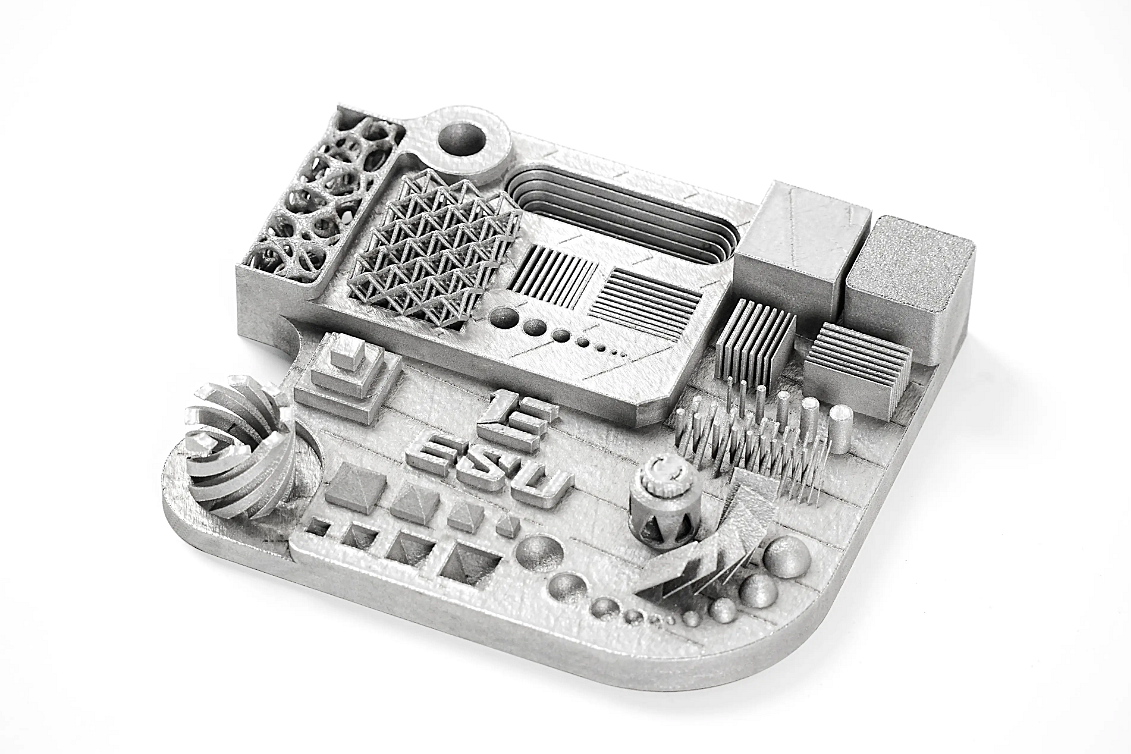 Ventaja sin herramental: por qué la impresión 3D reduce los costos de fabricación
Como ingeniero de Neway involucrado tanto en programas de fabricación aditiva como tradicional, con frecuencia veo a empresas gastar una parte desproporcionada de su presupuesto de proyecto en herramentales mucho antes de crear una sola pieza funcional. En la fundición a presión, el moldeo por inyección o incluso en algunos procesos intensivos de CNC, el molde o la fijación se convierte en uno de los mayores impulsores de costo, especialmente cuando se esperan revisiones. Por eso, el cambio hacia una producción digital y sin moldes se ha vuelto tan influyente para aplicaciones de alta mezcla y bajo volumen.
Al adoptar la fabricación digital directa mediante impresión 3D avanzada, los equipos pueden eliminar por completo la necesidad de herramentales. El flujo de trabajo es sencillo: los ingenieros preparan sus datos CAD, nosotros los optimizamos para el proceso aditivo específico y la producción comienza capa por capa. Sin herramentales de acero que fabricar, tratar térmicamente, pulir o modificar, la inversión inicial cae de forma drástica. Para desarrolladores de producto que equilibran una demanda incierta o que aún están refinando la geometría, la fabricación sin herramental reduce enormemente el riesgo financiero.
La impresión 3D es particularmente valiosa para producir prototipos funcionales, piezas de producción puente o lotes personalizados en industrias donde los plazos cortos son críticos. Como no intervienen moldes, cada iteración puede imprimirse con un impacto mínimo en el costo, lo que permite a los ingenieros finalizar el producto basándose en retroalimentación física real y no en suposiciones.
Cómo la impresión 3D elimina los costos de fabricación de moldes
En la fundición tradicional, los troqueles deben mecanizarse a partir de acero, inspeccionarse, probarse y ajustarse—en ocasiones varias veces. Incluso para componentes pequeños, estos moldes suelen requerir fabricación de precisión, similar al mecanizado CNC, lo que eleva los costos. Un molde prototipo para fundición a presión de aluminio o fundición en arena puede costar miles, mientras que los moldes de producción pueden alcanzar decenas de miles de dólares, dependiendo de su complejidad.
La fabricación aditiva evita cada paso de esta cadena de fabricación de moldes. En lugar de invertir en herramental, el material se añade selectivamente, permitiendo construir componentes exactamente como se diseñaron. Para clientes que antes dependían de la fundición o de la simulación con uretano, el prototipado rápido mediante técnicas aditivas ofrece una funcionalidad de pieza similar, eliminando a la vez la etapa de molde costosa y lenta.
La producción puente también se beneficia de forma significativa. Cuando un cliente necesita un lote pequeño de piezas mientras espera la fundición para producción en masa, la fabricación aditiva se vuelve un “puente” rentable. No es necesario acelerar la construcción del herramental, lo cual a menudo conduce a congelar el diseño prematuramente y a tarifas adicionales por revisiones. Los proyectos con modificaciones frecuentes minimizan pérdidas porque cada iteración digital se imprime directamente sin rehacer moldes de acero.
Libertad de diseño y reducción de costos mediante optimización geométrica
Una de las mayores ventajas financieras de la fabricación aditiva proviene de su libertad geométrica. En la fundición a presión o el mecanizado CNC, los socavados, paredes delgadas, cavidades profundas o canales internos a menudo requieren estrategias especiales de mecanizado o herramentales complejos. Esto incrementa tanto el costo como el plazo de entrega.
Con la impresión 3D, la geometría de la pieza no influye de forma significativa en el costo. Una estructura reticular, un soporte optimizado por topología o un conjunto altamente integrado pueden imprimirse sin complejidad adicional de fabricación. Esto permite la consolidación de piezas—combinar lo que antes eran múltiples componentes mecanizados o fundidos en una sola pieza impresa—reduciendo el costo de ensamble y disminuyendo la necesidad de tornillería u operaciones de unión.
Los diseñadores también ganan libertad para crear estructuras ligeras con formas orgánicas o no lineales. En industrias como la aeroespacial o la robótica, esto reduce el uso de material, mejora el desempeño y se traduce directamente en ahorros de fabricación. Cuando la complejidad se vuelve neutral en costo, los equipos de ingeniería pueden optimizar solo por funcionalidad y no por limitaciones del herramental.
Velocidad, flexibilidad y menor riesgo de producción
Una parte importante del costo de fabricación no proviene del material o del mecanizado, sino del tiempo perdido en ciclos de iteración. Con fabricación aditiva, el tiempo desde CAD hasta pieza física se reduce drásticamente. En lugar de esperar semanas para producir y validar un molde, las piezas pueden imprimirse en días o incluso horas, según el tamaño y el material.
Esta velocidad permite ciclos de I+D más rápidos y reduce el riesgo financiero de la evolución del diseño. Si los clientes requieren lotes preliminares para pruebas de campo, la impresión 3D admite modificaciones rápidas basadas en datos reales. Para pequeñas empresas y startups, evitar acumulación de inventario es otro beneficio clave. Como las piezas se imprimen bajo demanda, los fabricantes evitan inmovilizar capital en inversiones de moldes o en grandes lotes de stock que podrían volverse obsoletos.
En entornos de alta mezcla como hardware de consumo o robótica especializada, la flexibilidad es especialmente valiosa. Las empresas pueden producir solo las cantidades necesarias, actualizar diseños sin penalización y adaptar dinámicamente su cadena de suministro.
Selección de materiales que influye en aplicaciones sin herramental
La efectividad de la fabricación sin herramental depende en gran medida de la selección de materiales. La fabricación aditiva admite una amplia gama de metales y plásticos de ingeniería, lo que la hace adecuada para prototipos funcionales y componentes de grado producción.
Para aplicaciones que tradicionalmente requieren aleaciones de fundición de aluminio, los equipos suelen evaluar los compromisos mecánicos frente a opciones disponibles en procesos aditivos. Al comparar materiales “listos para aditivo” con aleaciones como aleaciones de aluminio o metales no ferrosos de alto desempeño como aleaciones cobre-latón, la selección correcta asegura que los componentes impresos alcancen la resistencia, la resistencia térmica y el acabado superficial requeridos.
Ciertos productos que antes dependían de Zamak o componentes de zinc pueden migrar a alternativas impresas hechas con materiales compuestos o polvos metálicos. Los clientes también consultan sobre materiales de herramental al analizar métodos de producción tradicionales. En esos casos, revisar recursos como materiales para herramental ayuda a ilustrar cómo eliminar la necesidad de moldes suprime categorías completas de costo.
Por lo tanto, la compatibilidad del material es central para evaluar la idoneidad de lo aditivo. En muchas industrias, los equipos de ingeniería descubren que los materiales impresos cumplen o superan los requisitos de desempeño, especialmente cuando se combinan con mejora superficial o mecanizado híbrido.
Requisitos de postprocesado e impactos de costo
Aunque la fabricación aditiva elimina el herramental, algunas aplicaciones aún requieren tratamientos posteriores para cumplir con tolerancias y estándares cosméticos. Según el caso de uso final, las piezas impresas en 3D pueden someterse a una o varias operaciones de postprocesado. Para componentes metálicos, el posmecanizado de piezas fundidas suele aplicarse para refinar características como caras de acoplamiento, barrenos de tolerancia estrecha o roscas. Para superficies estéticas, tratamientos como granallado o recubrimientos comparables al postproceso para fundición a presión ayudan a lograr una apariencia uniforme o resistencia a la corrosión.
El costo de estas operaciones suele ser menor en comparación con la fundición tradicional, donde el acabado también debe corregir líneas de partición del molde, ángulos de desmoldeo y rebaba. La ausencia de herramental en fabricación aditiva reduce tanto la variación como el retrabajo, haciendo el postprocesado más simple y predecible.
Los enfoques híbridos son cada vez más comunes, combinando fabricación aditiva para crear la forma con mecanizado para superficies de precisión. Esta combinación mantiene los beneficios de costo de “cero herramental” y logra la exactitud dimensional necesaria para ensamblajes de alto desempeño.
Industrias adecuadas para fabricación aditiva sin herramental
Muchas industrias ya han integrado la fabricación aditiva en sus flujos de desarrollo y producción. La aeroespacial y la robótica de alto nivel dependen en gran medida de componentes impresos debido a la reducción de peso y a las geometrías complejas que los procesos tradicionales no pueden lograr fácilmente.
Los clientes automotrices que exploran piezas personalizadas de bajo volumen pueden beneficiarse especialmente de soluciones como componentes automotrices, donde la fabricación aditiva complementa la fundición para verificación de prototipos y producción de soportes accesorios.
En electrónica de consumo, los cambios de ingeniería rápidos son comunes. Las empresas que desarrollan carcasas o hardware funcional suelen usar piezas impresas durante pruebas y preproducción. Los casos de colaboración de hardware de electrónica de consumo ilustran cómo la fabricación sin herramental ayuda a validar diseños antes de la producción en masa.
Las industrias que más se benefician comparten características: modificaciones frecuentes de diseño, demanda de prototipos funcionales y pedidos de lotes pequeños. Cuando el herramental tradicional restringe plazos o presupuesto, la fabricación aditiva se vuelve la opción más ágil.
Cuándo la impresión 3D supera a la fundición y el CNC tradicionales
La decisión entre fabricación aditiva y procesos tradicionales requiere entender la estructura de costos. La fundición se vuelve económica solo cuando los volúmenes justifican la inversión en moldes. El mecanizado CNC escala bien, pero puede tener dificultades con formas altamente orgánicas o con características internas profundas.
La impresión 3D se vuelve superior cuando: • las cantidades son bajas o medias • se esperan revisiones • la geometría compleja reduce la eficiencia de mecanizado • la consolidación de ensamble aporta ahorros a largo plazo • el tiempo de salida al mercado es crítico
Incluso considerando el postprocesado, la fabricación aditiva suele ofrecer un menor costo total de propiedad, particularmente durante las primeras fases del proyecto. A medida que aumentan las cantidades, los clientes pueden migrar a fundición o CNC, pero la etapa aditiva minimiza la exposición financiera inicial.
Cómo evaluar si la impresión 3D sin herramental se ajusta a tu proyecto
Las empresas deben evaluar material, geometría, cantidad y requisitos de tolerancia antes de decidir la ruta de fabricación. El involucramiento temprano con equipos de ingeniería y servicios de diseño e ingeniería ayuda a determinar la viabilidad.
Los factores clave de evaluación incluyen: • desempeño mecánico requerido • volumen de producción esperado • sensibilidad del costo ante revisiones • complejidad geométrica • restricciones de plazo
Cuando estos factores se alinean con las capacidades de la fabricación aditiva, las soluciones sin herramental se convierten en el camino más eficiente hacia piezas funcionales y de alta calidad.
FAQs
¿Cómo reduce la impresión 3D los costos de herramental y fabricación de moldes?
¿Qué volúmenes de producción se benefician más de la fabricación sin herramental?
¿Qué materiales funcionan mejor para la fabricación aditiva sin herramental?
¿Qué pasos de postprocesado suelen requerirse para piezas impresas en 3D?
¿Cómo pueden las empresas evaluar si la impresión 3D es más económica que la fundición?
