Best Aluminum Alloy for Casting Depends on the Part and Process
Best Aluminum Alloy for Casting Depends on the Part and Process
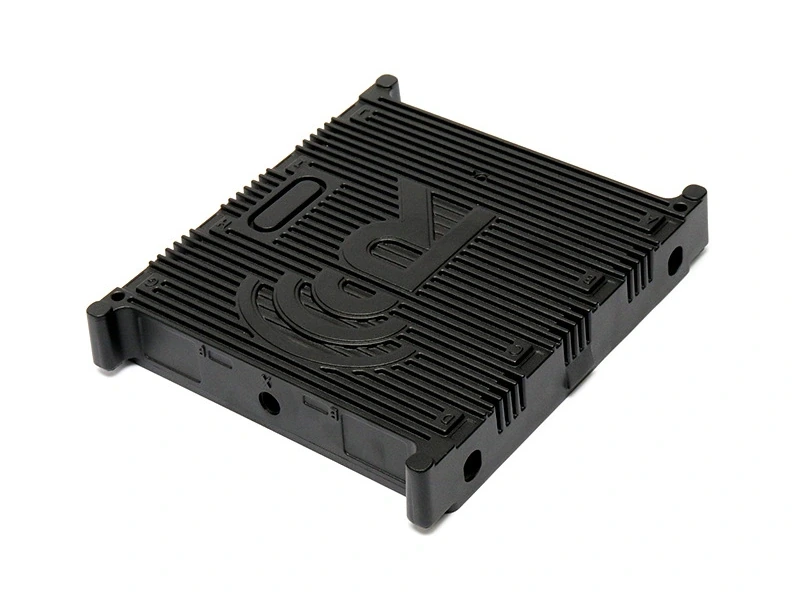
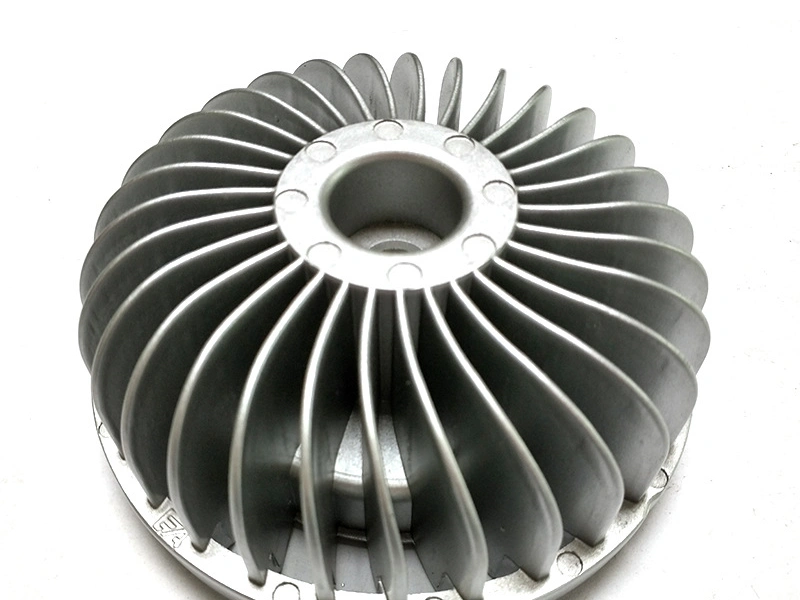
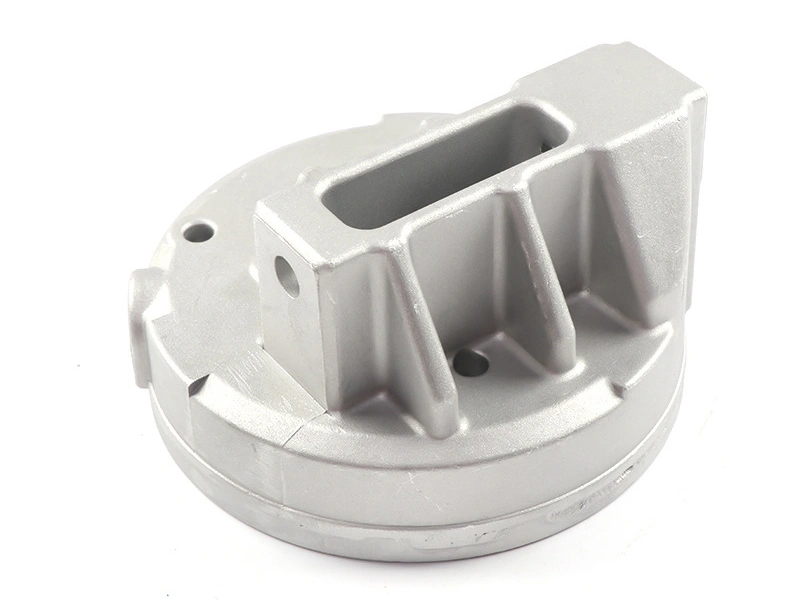
The best aluminum alloy for casting is the alloy that matches the part function, casting route, production volume, mechanical requirement, surface finish and inspection risk. There is no universal best alloy for every cast aluminum part. A380 may be a strong choice for many high pressure die cast housings. ADC12 may fit supply chains that use Japanese or Asian die casting standards. A356-T6 may fit sand casting, gravity casting or permanent mold parts that need heat-treated structural properties. A360 or A413 may be reviewed when corrosion direction, pressure-related function or fluidity matters.
Buyers searching for the best aluminum alloy for casting often need a practical sourcing answer rather than a material encyclopedia. They may have a housing, cover, bracket, pump body, heat sink frame, lighting part, motor cover or custom aluminum component and need to know which alloy can be cast, machined, finished and repeated at the required volume. The correct answer must connect alloy choice with the manufacturing route.
If the casting method is high pressure die casting, common choices include A380, ADC12, A360 and A413. If the project is a larger structural casting or lower-volume casting, A356 or A356-T6 may become more relevant. If the part needs a premium anodized appearance, the buyer may need to compare cast aluminum with wrought 6061 or 6063, because die casting alloys do not anodize the same way. Alloy choice should be made with the part drawing, not from a generic ranking list. For alloy-sensitive projects, aluminum die casting alloy options is a better reference than treating every aluminum or zinc grade as interchangeable.
A strong alloy decision also considers the next manufacturing steps. Will the part need a machined gasket face? Will threaded holes be tapped after casting? Will the part be powder coated, painted or anodized? Does the application require outdoor corrosion resistance, thermal transfer, electrical grounding, pressure sealing or repeated assembly? These details often change the best answer more than a tensile-strength number alone.
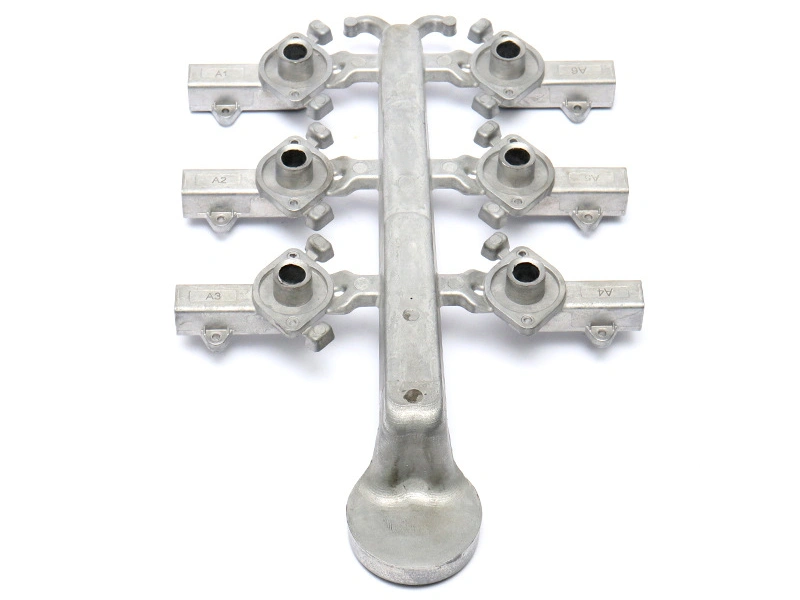
Why There Is No Single Best Aluminum Casting Alloy
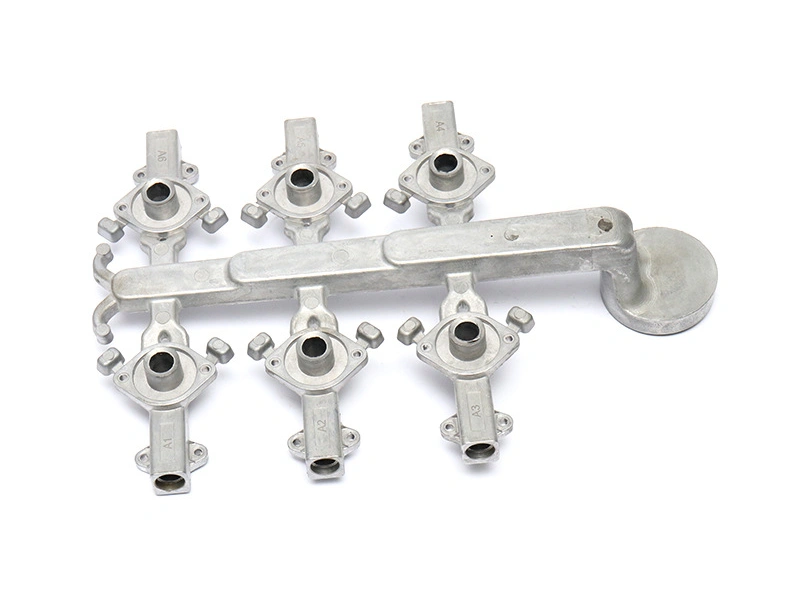
One alloy may cast well in high pressure dies but fail to provide the heat-treated structural properties needed for another route. Another alloy may machine or coat well but cost more or require a different process. Buyers should compare alloys by how the finished part will be used. Strength, ductility, corrosion behavior, pressure tightness, thermal behavior, machinability, coating compatibility and availability all matter.
A buyer making a thin electronics enclosure may prioritize fluidity, dimensional repeatability and surface finishing. A buyer making an outdoor structural arm may prioritize strength, corrosion resistance and heat treatment. A buyer making a pump cover may prioritize pressure-related review, sealing faces and leak testing. These are different decision problems, so the best alloy changes.
Buyer Priority | Alloy Direction to Review | Manufacturing Concern |
|---|---|---|
General HPDC production | A380 or ADC12 | Tooling, porosity, CNC machining and finish |
Corrosion direction | A360 or finish-controlled A380 direction | Outdoor exposure, coating and material availability |
Fluidity-sensitive die casting | A413 or related high-fluidity direction | Thin features, leak-sensitive zones and mechanical requirement |
Heat-treated structural casting | A356-T6 | Sand casting, gravity casting, heat treatment and distortion |
Premium anodized appearance | Often wrought 6061 or 6063 for machined parts; cast alloys need review | Color consistency and alloy silicon content |
The buyer should also decide whether the project is a prototype, pilot run or production program. A prototype may use a material that is close enough to validate shape and assembly. A production program needs a stable alloy, documented equivalent standard, repeatable casting route, machining plan and finish approval. When the intended production stage is missing from the RFQ, suppliers may recommend different alloys because they are solving different problems.
Best Aluminum Alloys for High Pressure Die Casting
For aluminum die casting, A380 and ADC12 are often practical starting points because they are widely used, cast well and fit many production housings, covers and brackets. A360 may be considered when corrosion direction or pressure-related performance is important. A413 may be considered where fluidity is important, especially if thin features or selected leak-sensitive areas are part of the design.
The best die casting alloy should be selected with tooling and secondary operations in mind. Thick bosses may create porosity regardless of alloy if geometry is poor. A machined gasket face may expose pores if the local section is not reviewed. Powder coating may require masking and surface preparation. A premium cosmetic requirement may be limited by casting marks and alloy behavior. Material choice solves only part of the problem; die design and process control complete the decision.
For HPDC buyers, the alloy should be reviewed together with gate position, venting, cooling, ejector mark location and trim method. A material that looks suitable on paper can still fail if a heavy boss traps gas near a threaded hole or if a cosmetic face is placed under an unavoidable tooling mark. The best alloy for die casting is the alloy that can be supported by a workable die and a practical sample approval path.
Alloy | Good Fit | Buyer Watch Point |
|---|---|---|
A380 | General aluminum die cast housings, covers, brackets and industrial parts | Balance porosity, machining, finish and cost |
ADC12 | Automotive, electronics and industrial projects using Asian equivalent standards | Confirm drawing standard, equivalent approval and inspection documents |
A360 | Selected parts where corrosion direction or pressure review matters | Confirm cost, availability and whether benefit is relevant |
A413 | Fluidity-sensitive parts and selected pressure-related die castings | Review mechanical properties, machining and leak acceptance |
When A356-T6 Is the Better Casting Alloy
A356-T6 is often reviewed for structural aluminum castings made by sand casting, gravity casting or permanent mold casting. It is not usually the default for high pressure die casting. Buyers consider A356-T6 when the part needs heat-treated mechanical properties, better ductility direction, structural strength or a route that can support the required casting method. If part function depends on alloy behavior, A356 aluminum casting direction helps separate strength, castability, machining and finish concerns.
Typical A356-T6 projects may include structural brackets, pump bodies, housings, arms or larger castings where the geometry and volume do not fit HPDC. The trade-off is that sand or gravity casting usually has different surface finish, tolerance, lead time and machining allowance compared with HPDC. Buyers should expect local CNC machining for critical faces, bores and holes.
Route | Alloy Direction | Best Use | Validation Need |
|---|---|---|---|
High pressure die casting | A380, ADC12, A360 or A413 direction | Thin-wall repeat production parts | Porosity, tooling marks, machined features and finish |
Sand casting | A356 or A356-T6 direction | Larger, lower-volume or core-heavy castings | Machining allowance, surface roughness and dimensional tolerance |
Gravity casting | A356-type direction when suitable | Selected structural or medium-volume castings | Heat treatment, distortion and machining sequence |
CNC machining from wrought aluminum | 6061 or 6063 direction | Early prototypes or premium anodized machined parts | Cost, material waste and later casting transfer risk |
How Finish Requirements Change Alloy Selection
Surface finish can strongly affect alloy selection. Powder coating and painting are common for many cast aluminum alloys, especially when the buyer defines color, gloss, thickness, masking and acceptable defects. Anodizing is more sensitive. High-silicon die casting alloys may show uneven color or darker appearance compared with wrought aluminum. If the buyer needs consistent decorative anodizing, the supplier should review whether the part should be cast, machined from 6061 or 6063, or finished by another method. If part function depends on alloy behavior, how to choose aluminum grades for casting helps separate strength, castability, machining and finish concerns.
For functional finishes, the alloy must be reviewed with the application. A coated outdoor enclosure needs corrosion protection and packaging that prevents scratches. A machined thermal plate needs surface contact quality. A black powder coated die cast housing needs masking for threads and ground points. The best aluminum alloy cannot be chosen without the final finish standard.
Some finish requirements create a route warning. If the buyer asks for bright decorative anodizing on a complex die cast part, the supplier should discuss appearance limitations before tooling. If the buyer asks for powder coating on a pressure housing, the supplier should review porosity, outgassing and cure temperature. If the buyer needs bare electrical contact, the drawing should mark uncoated grounding points. These details turn material selection into a finished-part decision.
How Machining and Tolerance Change the Best Alloy
Machining affects alloy selection because cast aluminum parts often need threads, bores, sealing faces, datum pads and mounting holes after casting. A die casting alloy may be good for near-net shape, but the buyer still needs to confirm that machined surfaces can meet the drawing after casting. A structural A356-T6 casting may need more machining allowance than a die cast housing. A part with very tight tolerance on every face may be better made by CNC machining from billet during early validation.
Buyers should avoid setting unrealistic tolerance across all cast surfaces. General casting tolerance should apply to non-critical surfaces, while CNC machining should control functional features. This makes alloy and route selection more practical. The best alloy for the finished part is the one that can be cast, machined and inspected with realistic cost and risk.
Machining also affects material documentation. If a customer requires a material certificate or equivalent standard, the certificate should match the casting alloy, not the machining stock used for a prototype. A CNC prototype made from 6061 can validate fit, but it does not prove that A380 HPDC or A356-T6 sand casting will behave the same during production. Buyers should avoid approving a production alloy based only on a billet-machined sample unless the sample purpose is clearly limited to shape or assembly fit. If part function depends on alloy behavior, A380 die casting alloy helps separate strength, castability, machining and finish concerns.
Short Example: Choosing Alloy for a Pump Cover
A buyer needed a custom aluminum pump cover with a machined sealing face, threaded ports, black coating and moderate annual volume. A380 high pressure die casting looked attractive for unit cost, but the sealing area had porosity risk because of a heavy boss near a port. A356-T6 sand casting offered structural direction but required more machining allowance and a rougher initial surface.
The supplier reviewed volume, leak requirement, finish and machining. For the production version, the buyer selected an HPDC route with an A380-type direction, design changes around the heavy boss, added machining allowance on the sealing face and leak testing on first samples. The decision was not "A380 is always best." It was that A380 with corrected HPDC design matched the buyer's volume, finish and cost target better than the alternatives.
Cost, Availability and Equivalent Grade Review
Cost and availability can also affect the best alloy. A technically attractive alloy may be less practical if it is hard to source, requires longer lead time, or increases casting trial risk without solving a real application requirement. A380 and ADC12 are often attractive partly because they are widely used. A360 or A413 may be justified when their specific advantages matter, but buyers should ask whether the extra cost or supply complexity is necessary. If part function depends on alloy behavior, A360 die casting alloy helps separate strength, castability, machining and finish concerns.
Equivalent grades should be handled in writing. If a drawing names A380 but a supplier proposes ADC12 or another equivalent direction, the buyer should review mechanical requirement, chemical standard, finish behavior, certification needs and customer approval rules. If the buyer's customer has locked the material, substitution should not be assumed. If equivalents are allowed, the quote should state the proposed grade clearly.
Supplier Workflow for Aluminum Alloy Selection
A practical supplier workflow starts with the model and drawing, then checks part function, route options, alloy choices, DFM risks, machining scope, finish requirement and inspection method. The alloy recommendation should be connected to a process route. If A380 is recommended, the supplier should explain why HPDC fits the geometry and volume. If A356-T6 is recommended, the supplier should explain why sand, gravity or permanent mold casting fits the structural requirement.
Neway's review can connect material selection to tooling, casting, CNC machining, surface finishing and quality control. For example, a cover may use A380 HPDC with machined gasket face and powder coating. A structural arm may use A356-T6 casting with heat treatment and final machining. A cosmetic prototype may use 6061 CNC while the production route is still being reviewed. The buyer receives a clearer decision when these paths are separated instead of collapsed into one material list.
How to Validate the Selected Aluminum Casting Alloy
After the alloy direction is selected, buyers should validate it with samples that represent the intended production condition. For die cast alloys, validation should include trial casting quality, machined surfaces, threaded features, finish result and any leak or assembly check. For A356-T6 structural castings, validation should include heat treatment condition, distortion, machined dimensions and mechanical or functional checks required by the application.
Material validation should not stop at a name on the drawing. Buyers may need a material record, hardness direction, coating test, CMM report, leak test, X-ray review or assembly fit check. The right evidence depends on the part's risk. A decorative cover, a pump body and a load bracket should not use the same approval package.
What to Include When Asking for Alloy Recommendation
Buyers should provide the 3D model, 2D drawing, function, load condition, environment, quantity, annual volume, finish, critical dimensions, machining areas, inspection needs and any material restrictions when asking for the best aluminum alloy for casting. The supplier cannot recommend responsibly from the keyword alone.
RFQ Detail | Why It Changes Alloy Choice | Example Note |
|---|---|---|
Casting route preference | HPDC, sand casting and gravity casting use different practical alloy directions | Open to route recommendation |
Function and load | Controls strength, ductility and heat treatment needs | Outdoor structural cover with gasket seal |
Finish requirement | Controls coating, anodizing review and appearance risk | Black powder coating, mask threads |
Production volume | Controls tooling investment and route economics | 200 pilot parts, 8,000 per year |
Critical machined features | Controls allowance, porosity risk and inspection | Machine sealing face and four threaded ports |
Neway can review aluminum alloy selection through casting route evaluation, aluminum die casting, CNC machining, surface finishing and inspection planning. For buyers, the strongest alloy decision is made from the finished part requirement: how the part works, how it will be made, how it will be finished and how it will be approved.
Before approving the alloy, buyers should request a clear statement of the assumed casting route, material grade, secondary machining, finish compatibility, inspection method and any unresolved risks. This prevents the common mistake of approving a material name while leaving the actual manufacturing method unclear.
The final approval should tie the material to a real sample condition. If the production part will be cast, machined, coated and inspected, the buyer should approve that complete condition. This keeps alloy selection connected to the usable component rather than a data-sheet value.
That is the practical definition of the best alloy.
FAQ