A319
Введение в материал
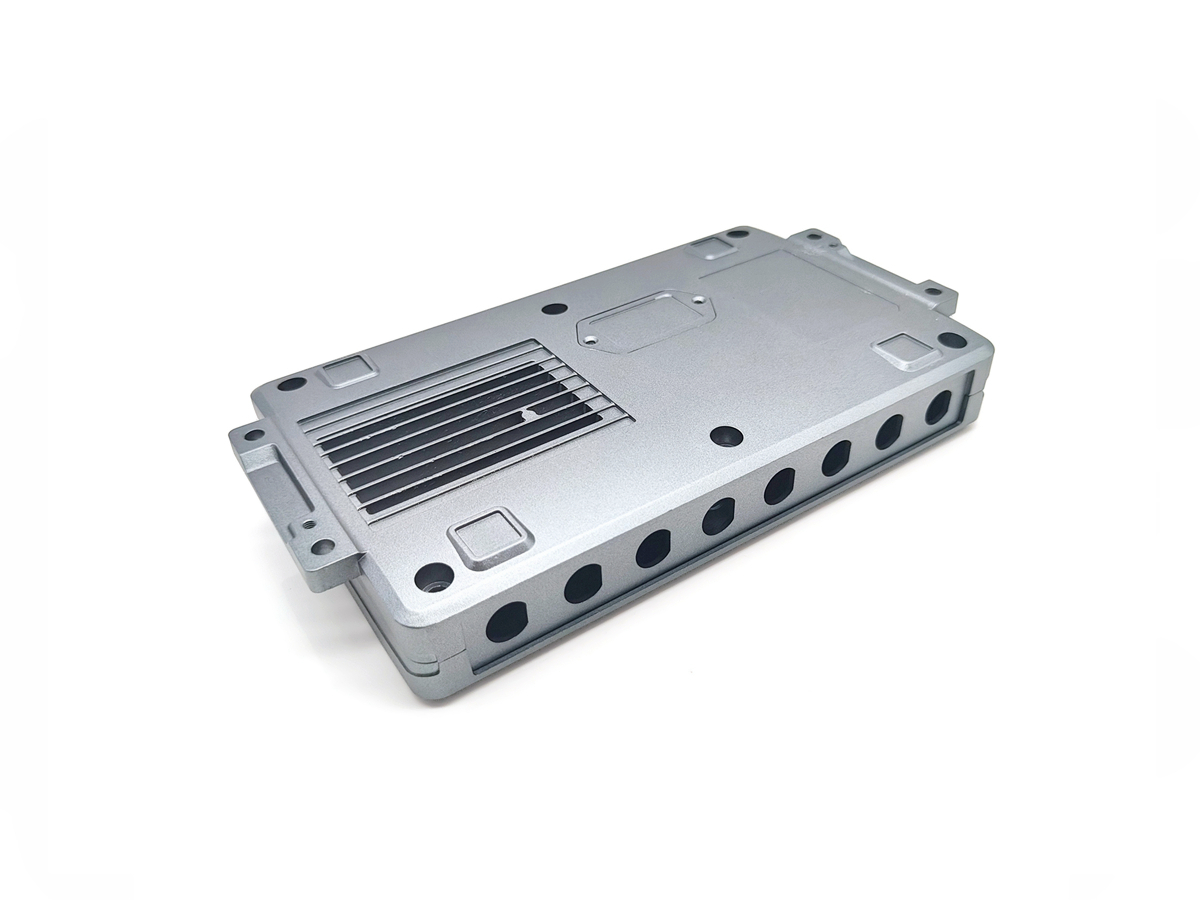
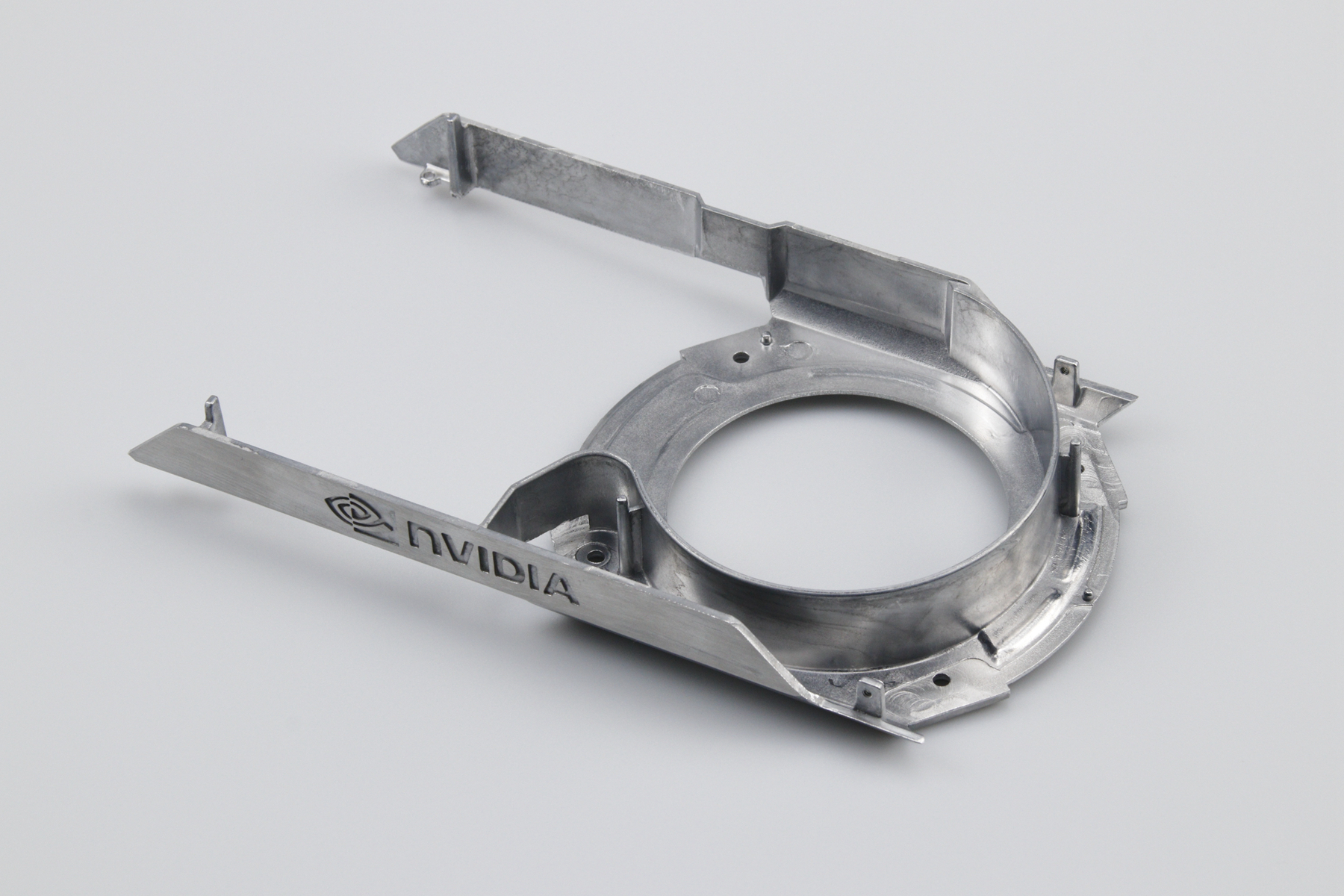
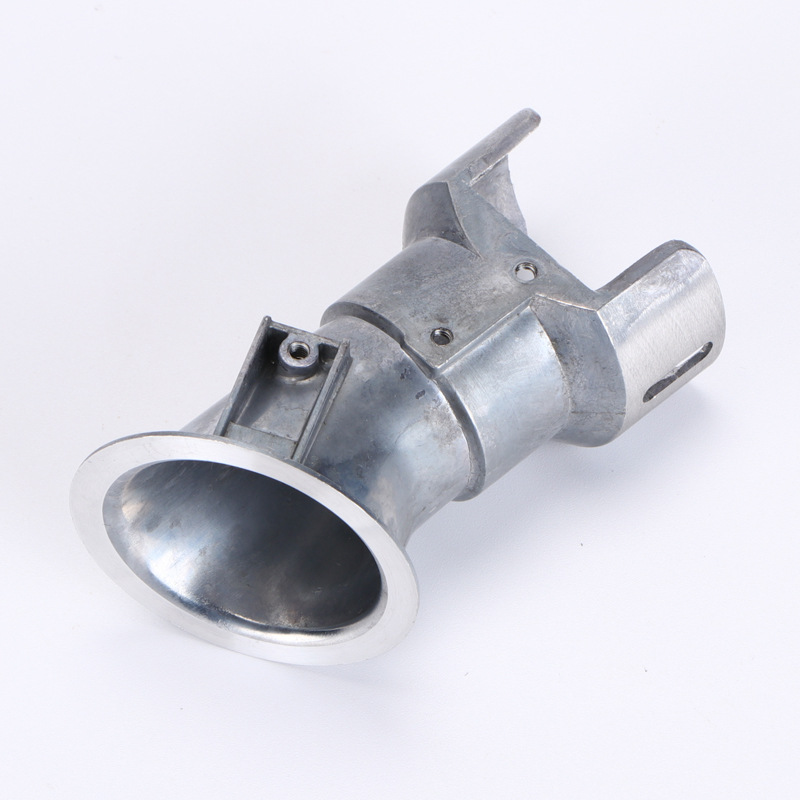
A319 — это литейный алюминиево-кремниево-медный сплав, широко используемый для конструкционных компонентов средней и высокой прочности, которые требуют хорошей литейности, умеренной термостойкости и надежной обрабатываемости. При типичном содержании кремния около 6–7% и уровне меди примерно 3–4%, A319 обеспечивает сбалансированное сочетание механической прочности, усталостной производительности и размерной стабильности. Его состав поддерживает как литье алюминия под давлением, так и методы литья в кокиль/песчаные формы, что делает его чрезвычайно гибким для различных размеров деталей и объемов производства. В сочетании с оптимизированным изготовлением оснастки и пресс-форм, точным дизайном литниковой системы и контролируемой кристаллизацией от Neway, A319 обеспечивает отливки с низкой пористостью и стабильными размерами для требовательных применений, таких как кронштейны двигателей, корпуса, коллекторы и компоненты промышленного оборудования.
Альтернативные варианты материалов
Если требования к конструкции выходят за пределы рабочих характеристик A319, можно выбрать несколько альтернативных сплавов из портфолио Neway. Для повышенной прочности и улучшенной стойкости к термической усталости в корпусах силовых агрегатов и конструкционных крышках распространенным выбором являются A380 или EN AC-46000 (AlSi9Cu3). Там, где более критичны пластичность и свариваемость — например, в облегченных конструкциях или кронштейнах, важных для безопасности при столкновениях, — часто предпочтительным является EN AC-43500 (AlSi10Mg). Для тонкостенных корпусов электроники и сложной геометрии A383/ADC12 обеспечивает отличную текучесть и заполняемость. Когда требуется очень высокая износостойкость или жесткость — например, в компонентах скольжения под высокой нагрузкой, — можно рассмотреть A390. Если требуются премиальная эстетика или очень высокая электрическая/теплопроводность, а вес менее критичен, вместо алюминия могут использоваться медные медно-латунные сплавы или специальные марки латуни для литья под давлением.
Международные эквиваленты / сопоставимые марки
Страна/Регион | Эквивалентная / сопоставимая марка | Конкретные коммерческие бренды | Примечания |
США (AA / ASTM) | A319.0 | Литейные чушки AA A319 от основных североамериканских поставщиков | Справочное обозначение; широко используется для компонентов двигателей и общих конструкционных отливок. |
Европа (EN) | EN AC-AlSi6Cu3 / аналогичные семейства | Hydro AlSi6Cu3, варианты Handtmann AlSi6Cu3 | Функционально близкие сплавы для литья в кокиль и под давлением с сопоставимым уровнем Si–Cu. |
Германия (DIN) | G-AlSi6Cu4 / AlSi6Cu3 | Литейные сплавы на основе AlSi6Cu от TRIMET | Используется для автомобильных, компрессорных и машинных отливок средней прочности. |
Япония (JIS) | Семейство AC2B | UACJ AC2B, Daiki AC2B | Аналогичные сплавы Al–Si–Cu, используемые для литых корпусов и кронштейнов. |
Китай (GB/T) | ZL114 / аналогичные марки Al–Si–Cu | Сплавы серии Chalco ZL114, варианты Nanshan Al–Si–Cu | Сопоставимы для автомобильных и промышленных конструкционных компонентов. |
Назначение конструкции
A319 был разработан как литейный алюминиевый сплав с хорошо сбалансированной химией Si–Cu–Fe, который может работать в структурных, термонагруженных средах без чрезмерной хрупкости или плохой обрабатываемости. Содержание кремния обеспечивает хорошую текучесть и управляемую усадку, в то время как медь и второстепенные легирующие элементы повышают предел прочности на разрыв и усталостную стойкость по сравнению с чисто алюминиево-кремниевыми сплавами. Это делает A319 подходящим для головок цилиндров, коллекторов, корпусов насосов, прочных кронштейнов и аналогичных компонентов, где требуются жесткость и размерная стабильность, но не необходима самая высокая прочность специализированных сплавов. В компании Neway A319 используется там, где клиенты ценят сочетание хорошей литейности как в процессах литья в песчаные формы, так и под высоким давлением, стабильного механического поведения и надежной реакции на механическую обработку и финишную отделку поверхности.
Химический состав
Элемент | Кремний (Si) | Медь (Cu) | Магний (Mg) | Железо (Fe) | Марганец (Mn) | Цинк (Zn) | Никель (Ni) | Титан (Ti) | Прочие (каждый) | Алюминий (Al) |
Состав (%) | ~5.5–6.5 | ~3.0–4.0 | ≤0.5 | ≤1.0 | ≤0.5 | ≤1.0 | ≤0.5 | ≤0.2 | ≤0.05 | Остальное |
Физические свойства
Свойство | Плотность | Диапазон плавления | Теплопроводность | Электропроводность | Тепловое расширение |
Значение | ~2.70 г/см³ | ~520–640 °C | ~120–150 Вт/м·К | ~27–32% IACS | ~21–23 мкм/м·°C |
Механические свойства
Свойство | Предел прочности на разрыв (UTS) | Предел текучести (доказательство 0.2%) | Относительное удлинение при разрыве | Твердость | Предел усталости (10⁷ циклов) |
Значение (типичное, в литом состоянии) | ~200–240 МПа | ~120–150 МПа | ~2–4% | ~80–95 HB | ~70–90 МПа |
Ключевые характеристики материала
Хорошая литейность как для процессов литья под высоким давлением, так и литья в песчаные формы, включая стенки средней толщины.
Сбалансированная прочность и жесткость, подходящие для конструкционных корпусов и кронштейнов.
Умеренная термостойкость, делающая его пригодным для подкапотных и промышленных сред.
Разумная пластичность для литого сплава Si–Cu, поддерживающая эксплуатацию под ударными и вибрационными нагрузками.
Хорошая обрабатываемость, позволяющая получать поверхности с жесткими допусками посредством ЧПУ-обработки и последующей механической обработки.
Совместимость с распространенными практиками термообработки (например, T5/T6), когда позволяют пористость и геометрия.
Предсказуемое поведение при усадке, упрощающее проектирование пресс-форм и контроль размеров.
Пригодность для функциональных покрытий и окраски при применении соответствующей предварительной обработки.
Технологичность и постобработка
Литье под высоким давлением (HPDC) для корпусов среднего размера: A319 хорошо подходит для HPDC, когда детали требуют стенок средней толщины, прочных ребер и интегрированных крепежных элементов. В компании Neway дизайн литниковой системы, давление интенсификации и температура пресс-формы настроены на поведение кристаллизации сплава Si–Cu для ограничения пористости и поверхностных дефектов.
Литье в песчаные формы для крупных и толстостенных секций: Для крупных корпусов насосов, коллекторов или тяжелых кронштейнов A319 часто производится методом литья в песчаные формы. Его текучесть достаточна для заполнения более толстых сечений и внутренних стержней при сохранении приемлемой плотности и механических свойств.
Гравитационное литье или литье под низким давлением в постоянные формы: Когда требуется улучшенная структурная целостность и лучшее качество поверхности по сравнению с литьем в песчаные формы, A319 может отливаться с использованием гравитационных процессов или процессов под низким давлением в постоянные формы, используя преимущества контролируемых скоростей охлаждения.
Варианты термообработки: В зависимости от применения, A319 может поставляться в литом состоянии или подвергаться термообработке (например, T5/T6) для повышения предела текучести и усталостной производительности. Термообработка особенно ценна для компонентов, связанных с двигателями, или компонентов с высоким циклом усталости, произведенных с тщательно контролируемой пористостью.
Прецизионная механическая обработка: A319 хорошо поддается ЧПУ-обработке, позволяя Neway обеспечивать уплотнительные поверхности, отверстия и критические интерфейсы с типичными допусками ±0.02–0.05 мм через специализированные линии последующей механической обработки.
Сверление, развертывание и нарезание резьбы: Микроструктура сплава поддерживает стабильное образование стружки, делая его пригодным для точного сверления и развертывания отверстий, а также для нарезания резьбы под крепежные элементы или жидкостные соединители.
Удаление заусенцев и объемная финишная обработка: Отливки подвергаются обрезке, вибрационной обработке или галтовке для удаления облоя и смягчения кромок, улучшая как безопасность обращения, так и адгезию покрытия.
Размерный и функциональный контроль: Для компонентов, критичных для безопасности или герметичности, Neway дополняет размерные проверки испытаниями на утечку, испытаниями под давлением и другими инспекциями, поддерживаемыми собственными возможностями контроля качества отливок под давлением.
Подходящая поверхностная обработка
Порошковое покрытие для надежной защиты: Благодаря содержанию меди, A319 выигрывает от барьерных типов покрытий. Порошковое покрытие обеспечивает долговечную коррозионную стойкость, ударопрочность и УФ-стабильность для наружного или промышленного использования.
Жидкая окраска для косметических корпусов: Окраска позволяет осуществлять тонкий контроль цвета и создавать гладкий внешний вид на видимых деталях, таких как крышки, панели машин и компоненты, ориентированные на потребителя.
Конверсионные покрытия для адгезии и проводимости: Хроматные и не содержащие хрома конверсионные слои повышают коррозионную стойкость и обеспечивают проводящую, готовую к окраске поверхность, что полезно для электрических корпусов и заземленных конструкций.
Селективное анодирование: Классическое анодирование на A319 обычно ограничено содержанием меди; оно может использоваться в декоративных целях или для умеренного улучшения коррозионной стойкости на выбранных поверхностях, при условии проведения технологических испытаний.
Пескоструйная или дробеструйная обработка: Предварительная обработка посредством пескоструйной обработки создает равномерную матовую текстуру, маскирующую незначительные следы литья и оптимизирующую поверхности для нанесения покрытий.
Лазерная маркировка: Постоянная идентификация деталей, коды прослеживаемости и логотипы могут быть нанесены методом лазерной маркировки без значительного влияния на точность размеров.
Распространенные отрасли и применения
Автомобилестроение и транспорт: Кронштейны двигателей, корпуса, коллекторы и опорные конструкции.
Промышленное оборудование: Корпуса насосов, компрессоров, компоненты приводов и станины станков.
Генерация энергии и гидравлические системы: Корпуса клапанов, фланцы и конструкционные компоненты, подвергающиеся воздействию умеренных температур.
Общее машиностроение: Рамы средней нагрузки, кронштейны и монтажные пластины, где выгодно снижение веса.
Специализированное оборудование и модули OEM: Структурные оболочки и несущие компоненты, сочетающие жесткость с хорошей обрабатываемостью.
Когда выбирать этот материал
Когда требуется средняя или высокая прочность в литых конструкционных компонентах без перехода на премиальные, дорогостоящие сплавы.
Когда должны оставаться открытыми возможности как литья под давлением, так и литья в песчаные формы для различных размеров деталей.
Когда компоненты будут подвергаться умеренным тепловым нагрузкам, таким как подкапотные или промышленные среды.
Когда надежная обрабатываемость и поверхности с жесткими допусками критичны для герметизации или сборки.
Когда требуется экономически эффективное снижение веса по сравнению с чугуном или сталью при сохранении высокой жесткости.
Когда в будущем могут использоваться обновления термообработки (например, T6) для повышения производительности отдельных деталей.
Когда один и тот же сплав должен поддерживать как опытное литье, так и долгосрочное серийное производство.
Изучить связанные блоги