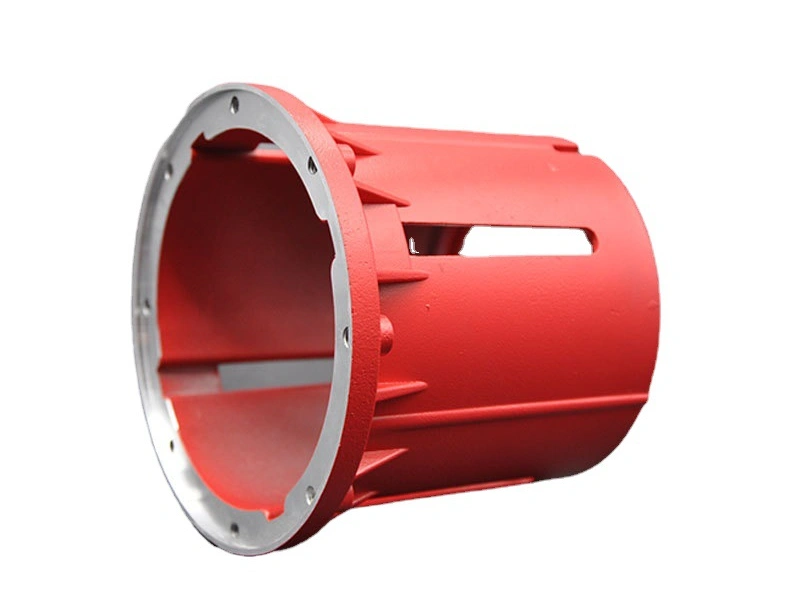
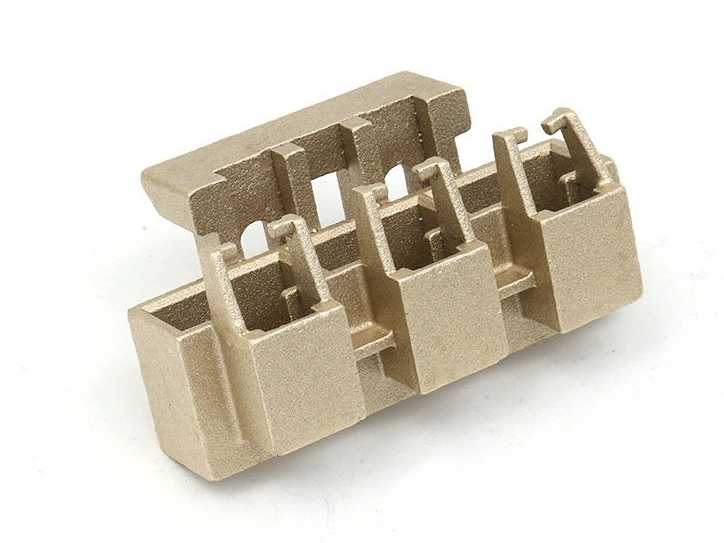
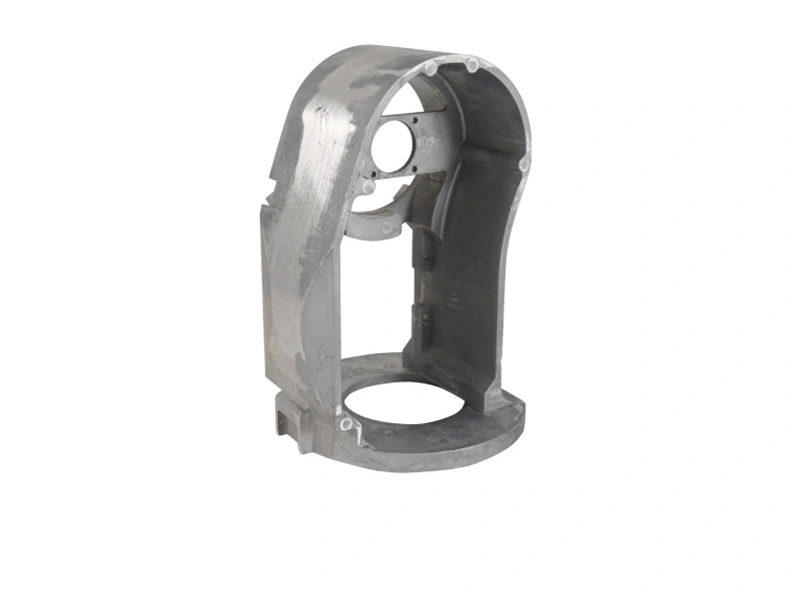
Copper die casting is best suited for parts that need electrical conductivity, thermal conductivity, corrosion resistance, wear resistance, pressure performance, or long-term durability. Common applications include electrical connectors, terminals, valve bodies, plumbing fittings, pump housings, impellers, HVAC heat exchangers, automotive cooling parts, mechanical transmission components, and marine or corrosion-resistant parts.
Buyers usually choose copper alloy die casting when ordinary structural metals cannot provide enough functional performance. If a part needs long-term contact with water, heat, electrical current, chemicals, pressure, or friction, copper-based alloys, brass, or bronze can provide stronger reliability than many general casting materials.
Application Area | Typical Copper Die Cast Parts | Why Copper Alloy Fits | Buyer Focus |
|---|---|---|---|
Electrical systems | Connectors, terminals, conductive brackets, contact parts | Good electrical conductivity and dimensional stability | Current carrying, contact reliability, heat control |
Plumbing and fluid systems | Valve bodies, pipe fittings, couplings, sealing components | Good corrosion resistance and fluid compatibility | Water exposure, sealing, pressure resistance |
Pump systems | Pump housings, pump cases, impellers, accessories | Strength, corrosion resistance, wear resistance, and fluid performance | Flow stability, durability, corrosion control |
HVAC and thermal systems | Heat exchangers, cooling components, thermal transfer parts | Useful thermal conductivity and heat transfer performance | Thermal efficiency, pressure, corrosion resistance |
Mechanical systems | Transmission wheels, gears, wear parts, mechanical hardware | Wear resistance, strength, and load-bearing capability | Friction, load, repeated movement, service life |
Marine and corrosive environments | Marine fittings, corrosion-resistant hardware, pump and valve parts | Selected brass and bronze alloys can resist moisture and corrosion | Saltwater exposure, outdoor use, long-term durability |
Copper die casting is well suited for electrical connectors and terminals because these parts often need stable conductivity, dimensional accuracy, mechanical strength, and repeatable batch quality. In electrical systems, the part must not only conduct current but also maintain reliable contact, stable assembly, and consistent geometry during production.
For projects involving copper electrical connectors, buyers should confirm current load, contact area, mounting design, surface finish, plating requirements, and tolerance needs before tooling. This helps reduce connection failure, overheating, assembly mismatch, and long-term performance problems.
Electrical Part | Key Requirement | Why Copper Die Casting Is Useful |
|---|---|---|
Electrical connectors | Conductivity, contact stability, and assembly accuracy | Supports conductive function and repeatable part geometry |
Terminals | Current carrying, mechanical retention, and surface quality | Useful for parts that need both electrical and structural performance |
Conductive brackets | Strength, conductivity, and mounting reliability | Can combine electrical function with mechanical support |
Contact components | Stable interface, low failure risk, and consistent production | Helps maintain reliable contact in batch manufacturing |
Valve bodies and plumbing fittings are common applications for brass and copper alloy die casting. These parts usually work with water, pressure, threads, sealing faces, and long-term corrosion exposure. Brass materials can be valuable because they provide corrosion resistance, machinability, strength, and reliable performance in fluid-related systems.
For brass plumbing fittings, buyers should pay attention to sealing surfaces, thread accuracy, pressure conditions, water compatibility, and post-machining requirements. A casting supplier should evaluate both the casting shape and the functional surfaces that may need CNC machining after casting.
Fluid System Part | Key Requirement | Buyer Evaluation Point |
|---|---|---|
Valve bodies | Sealing, pressure resistance, corrosion resistance | Check sealing face, bore accuracy, thread requirement, and working medium |
Pipe fittings | Thread quality, corrosion resistance, and dimensional stability | Confirm connection type, pressure level, and post-machining needs |
Couplings | Assembly fit and fluid compatibility | Review tolerance, sealing method, and working environment |
Plumbing hardware | Durability, surface quality, and corrosion resistance | Confirm finish, appearance, and long-term water exposure conditions |
Pump components are another strong application area for copper alloy and brass die casting. Pump housings, pump cases, and impellers often need corrosion resistance, pressure performance, wear resistance, accurate geometry, and stable fluid movement. These requirements make copper-based alloys useful for many water, chemical, HVAC, circulation, and industrial pump systems.
Brass pump components are often selected when the part must resist corrosion and support reliable mechanical function. For rotating or flow-related parts, copper die cast impellers may be useful when the design needs strength, durability, corrosion resistance, and hydraulic performance.
Pump Part | Why Copper Alloy Fits | Manufacturing Focus |
|---|---|---|
Pump housings | Need corrosion resistance, pressure stability, and strong structure | Control sealing faces, mounting points, and wall thickness |
Pump cases | Need durable body structure and stable fluid containment | Review casting soundness, machining allowance, and inspection requirements |
Impellers | Need corrosion resistance, flow geometry, wear resistance, and balance | Control vane geometry, surface finish, and post-machining accuracy |
Pump accessories | Need reliable fit, corrosion resistance, and mechanical durability | Check threads, bores, sealing surfaces, and assembly interfaces |
Copper alloy die casting can also be used for heat transfer and cooling-related parts. HVAC heat exchangers, cooling modules, thermal connectors, and automotive cooling components may require thermal conductivity, fluid compatibility, sealing performance, and resistance to corrosion from water, glycol, refrigerants, or other working media.
For copper alloy heat exchangers, buyers should confirm thermal performance, pressure conditions, internal channels, sealing surfaces, corrosion exposure, and inspection requirements. These parts often need careful design review because performance depends on both material and geometry.
Thermal Application | Key Requirement | Buyer Focus |
|---|---|---|
HVAC heat exchangers | Thermal transfer, pressure stability, and corrosion resistance | Channel design, wall thickness, sealing, and testing |
Cooling components | Heat transfer and fluid compatibility | Working medium, temperature, pressure, and corrosion exposure |
Automotive cooling parts | Durability under heat, vibration, and fluid exposure | Material selection, assembly fit, leakage risk, and inspection |
Thermal connectors | Stable thermal contact and mechanical fit | Flatness, contact surface finish, and mounting tolerance |
Copper alloy die casting can be suitable for selected mechanical transmission components when the part needs wear resistance, strength, friction control, and dimensional stability. Brass and bronze materials may be used for gears, wheels, bushings, mechanical hardware, and moving components where long-term wear performance is more important than the lowest material cost.
For these applications, buyers should consider contact stress, lubrication, rotation speed, surface finish, post-machining accuracy, and working environment. If the part faces repeated friction or load, the material should be selected based on wear resistance and service life rather than only raw material price.
Mechanical Part | Key Requirement | Why Copper Alloy May Be Suitable |
|---|---|---|
Transmission wheels | Wear resistance, bore accuracy, and mechanical strength | Useful where strength and durability are required |
Gears | Tooth accuracy, wear resistance, and stable operation | Selected copper alloys can support friction-related use |
Bushings | Friction control, load support, and durability | Bronze alloys can be valuable for wear-related applications |
Mechanical hardware | Strength, corrosion resistance, and long-term reliability | Brass or bronze can support demanding service conditions |
Marine and corrosion-resistant parts can also benefit from copper alloy die casting, especially when the application involves moisture, saltwater, outdoor exposure, chemicals, or long-term fluid contact. Brass and bronze materials can be suitable for selected fittings, pump parts, valve parts, hardware, and mechanical components used in harsh environments.
Buyers should confirm the working medium, salt concentration, temperature, pressure, cleaning chemicals, and expected service life before selecting the alloy. In corrosion-sensitive applications, the correct material and surface treatment can reduce premature failure and maintenance cost.
Environment | Suitable Part Types | Buyer Should Confirm |
|---|---|---|
Water exposure | Fittings, pump parts, valve bodies, housings | Water type, pressure, sealing method, and corrosion requirement |
Marine exposure | Marine hardware, brackets, fittings, pump components | Saltwater contact, surface finish, and alloy selection |
Chemical exposure | Fluid handling parts, valve parts, industrial hardware | Medium type, temperature, concentration, and service life |
Outdoor use | Hardware, covers, mechanical parts, exposed fittings | Humidity, rain, coating needs, and maintenance conditions |
Before choosing copper die casting, buyers should review the part’s real working conditions. The best application match depends on whether the part must handle electricity, heat, water, pressure, friction, chemicals, vibration, or repeated assembly. This information helps the supplier recommend a suitable copper alloy, casting design, post-machining plan, surface treatment, and inspection method.
Buyer Evaluation Point | Why It Matters | How It Affects the Project |
|---|---|---|
Electrical load | Determines whether conductive copper alloy is required | Affects alloy choice, contact design, and surface treatment |
Thermal condition | Determines whether heat transfer performance is important | Affects material, wall thickness, and cooling geometry |
Working medium | Water, oil, gas, coolant, or chemicals affect corrosion and sealing needs | Affects brass, bronze, or other copper alloy selection |
Mechanical wear | Friction and repeated movement affect service life | Affects wear-resistant alloy selection and surface finish |
Production quantity | Quantity affects tooling investment and unit cost | Affects whether copper die casting is economically suitable |
Best-Suited Application | Why Copper Die Casting Fits |
|---|---|
Electrical connectors and terminals | Supports conductivity, stable contact, strength, and repeatable geometry |
Valve bodies and plumbing fittings | Provides corrosion resistance, pressure performance, sealing support, and machinability |
Pump housings and impellers | Supports corrosion resistance, wear resistance, strength, and fluid system reliability |
HVAC heat exchangers and cooling parts | Useful for thermal transfer, fluid compatibility, and pressure-related performance |
Mechanical transmission parts | Can support wear resistance, strength, and long-term mechanical use |
Marine and corrosion-resistant parts | Suitable when parts face water, salt, humidity, chemicals, or outdoor exposure |
In summary, copper die casting is best suited for applications where material performance matters more than the lowest part price. Electrical connectors, terminals, valve bodies, plumbing fittings, pump housings, impellers, HVAC heat exchangers, automotive cooling parts, mechanical transmission parts, and marine components can all benefit from copper alloy die casting when the part must resist water, heat, current, chemicals, pressure, or friction over long-term use.