Can zinc die casting be used for medical device housings and precision parts?
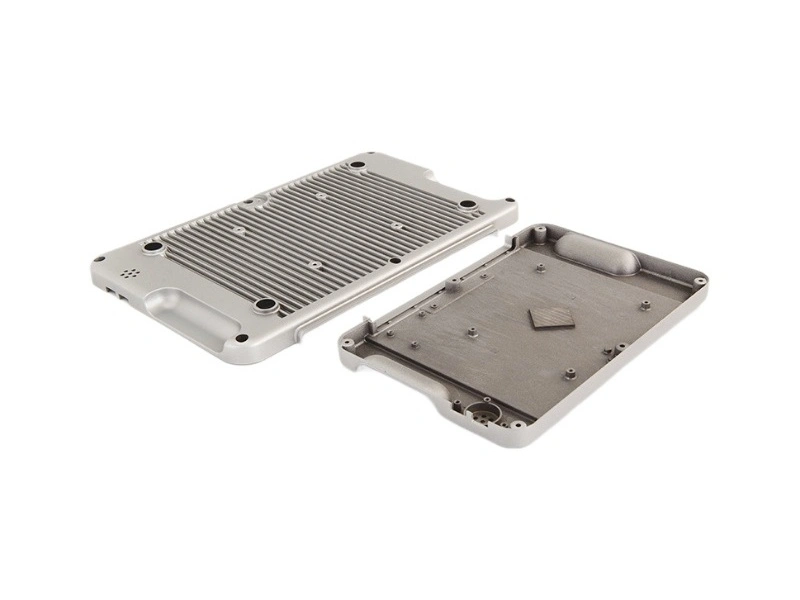
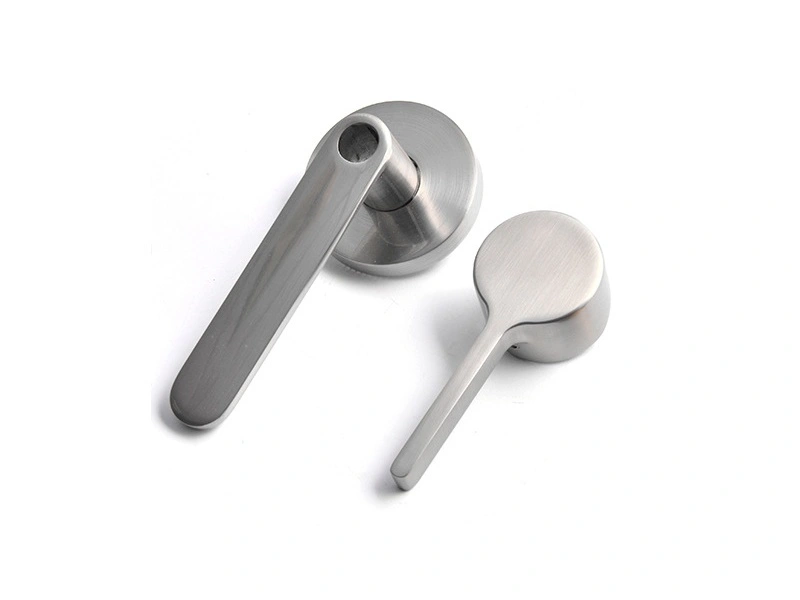
Yes, zinc die casting can be used for selected medical-device housings and precision parts, especially external, non-implant components such as equipment covers, handles, adjustment controls, accessory mounts and compact support hardware. Suitability is conditional. Patient or fluid contact, cleaning and sterilization, corrosion, coating damage, usability and regulatory requirements must be evaluated through the device manufacturer's risk process. A coating does not automatically make zinc biocompatible or sterilizable.
Start with contact and risk classification
Identify whether the part is external equipment hardware, a user-touch surface, an indirect patient interface, a fluid-path component or an implant. Record contact type and duration, contamination consequence and whether the part is reusable. Zinc commonly fits the lower-contact external categories; direct body, drug, implant and sensitive fluid-path uses generally demand a separate material assessment and may point elsewhere.
The device owner controls this decision. A foundry can provide alloy, process and test evidence, but cannot infer regulatory suitability from a drawing title. The general medical component material question must be resolved against the actual device use.
Suitable part families and boundaries
Part family | Why zinc may fit | Medical-specific risk | Evidence |
|---|---|---|---|
External housing or cover | Compact bosses, alignment and visible contour | Cleaner attack, seams, coating chips and trapped soil | Cleaning cycles, finish inspection and assembled enclosure test |
Handle or adjustment control | Ergonomic form, detents and markings | User force, edge feel, disinfectant and repeated touch | Usability, load/cycle and chemical exposure |
Bracket or accessory mount | Repeat holes, ribs and fastening features | Load, fastener damage and cleaning access | Proof load, torque and reprocessing inspection |
Implant or sensitive fluid path | No category-level presumption | Contact safety, corrosion, residues and validation burden | Device-specific material and regulatory evaluation |
Cleaning and reprocessing are system tests
Specify cleaner or disinfectant identity, concentration, temperature, dwell, rinse, drying and number of cycles. If sterilization is intended, define the exact route and exposure. Test the final coating, labels, adhesives, fasteners and seals with the casting. Look for color or gloss change, blistering, adhesion loss, corrosion, swelling of adjacent materials and dimensional change.
Pay attention to scratches, rack marks, screw seats and mask transitions where zinc may become exposed. A pristine flat coupon does not reproduce those weak points. The published question on repeated medical processing should be answered using the selected complete system, not an unsupported alloy promise.
Clean appearance is not cleanability
A smooth coated housing can still contain soil traps at seams, blind recesses, raised lettering or fastener pockets. Review access, drainage and wipe path. If cleanliness is a controlled device requirement, validate the approved cleaning method and inspection rather than relying on gloss.
Finishes must also tolerate touch and maintenance. Define permitted wear, chips and repair. A field touch-up may restore color without recreating the original pretreatment or hygienic surface, so repair policy belongs in risk review.
Precision needs final-state measurement
Zinc can form compact bosses, apertures and alignment features, but dimensions crossing parting lines or slides have specific tool risks. Polishing, coating and cure may change fit. Mark datums and function-sensitive dimensions, then measure after all relevant operations.
Use selective post machining for seal lands, precise bores or threads only where justified. Plan stock and porosity exposure. Clean machining chips and verify burr direction so the finishing operation does not create a new contamination hazard.
Usability and mechanical function
A control knob must have defined torque, detent, position readability and edge feel. A handle needs proof and cycle loads in the intended grip direction. A cover needs fastener access and stable fit after repeated service. Test these attributes with representative users or fixtures as required by the device plan.
Heavy feel can support perceived stability in a bench device but harm a handheld product. Calculate installed mass and center of gravity. Zinc application fit should include the complete user's task, not only manufacturability.
Assign supplier and device-owner boundaries
The casting supplier should document alloy, tool cavity, process state and substrate acceptance. Machining and finishing sources should document their controlled operations, cleanliness and inspection. The assembly source should control torque, seals, labels and final function. The device manufacturer retains responsibility for intended use, risk management, material/contact justification and regulatory submission.
Write these boundaries into the quality agreement and change process. A finisher should not substitute chemistry, and a foundry should not change lubricant or alloy source without assessing downstream cleaning and coating effects. Traceability must allow a finished device issue to be connected back to the relevant cavity and operation.
Medical RFQ package
Provide contact classification, intended use, user population, cleaning/reprocessing protocol, environmental media, visible and hygienic zones, mass and ergonomic limits, final assembly interfaces and required records. Mark characteristics whose failure could affect device function. Request proposed verification methods rather than asking for a generic medical-grade zinc part.
Supply and change control
Named alloy, material traceability and restricted-substance requirements.
Risk classification, contact boundary and device-owner approvals.
Cavity, machining, finish, assembly and cleanliness traceability.
Dimensional, cosmetic, mechanical and reprocessing evidence.
Packaging and handling controls for clean finished surfaces.
Notification and revalidation for material, tool, chemistry or source changes.
Zinc is a credible choice for selected external medical-device structures when its geometry and production advantages survive this risk review. The medical housing application guide can support early DFM; only project-specific material, cleaning, usability and device validation establish release.