Aluminum Parts Cost Reduction Solutions for Finished Components
Aluminum Parts Cost Reduction Solutions for Finished Components
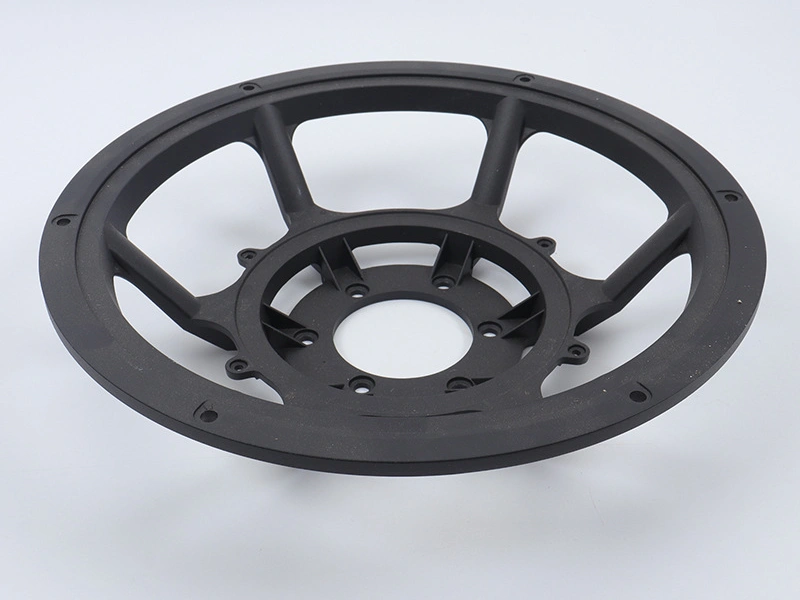
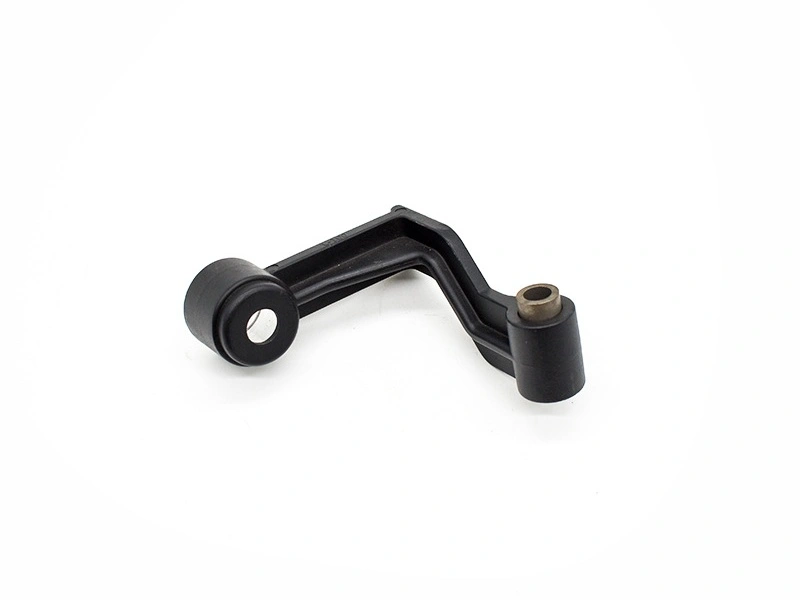
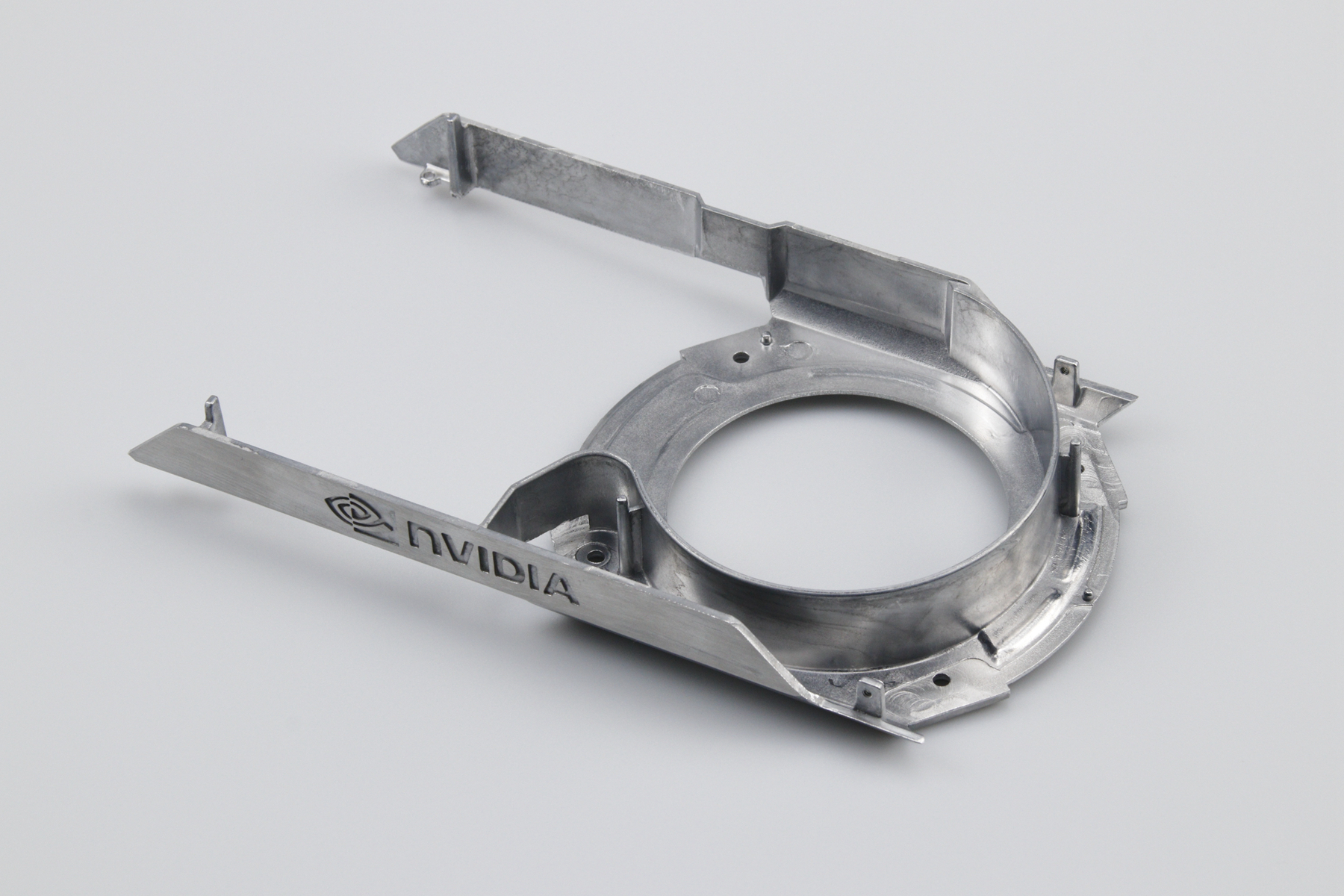
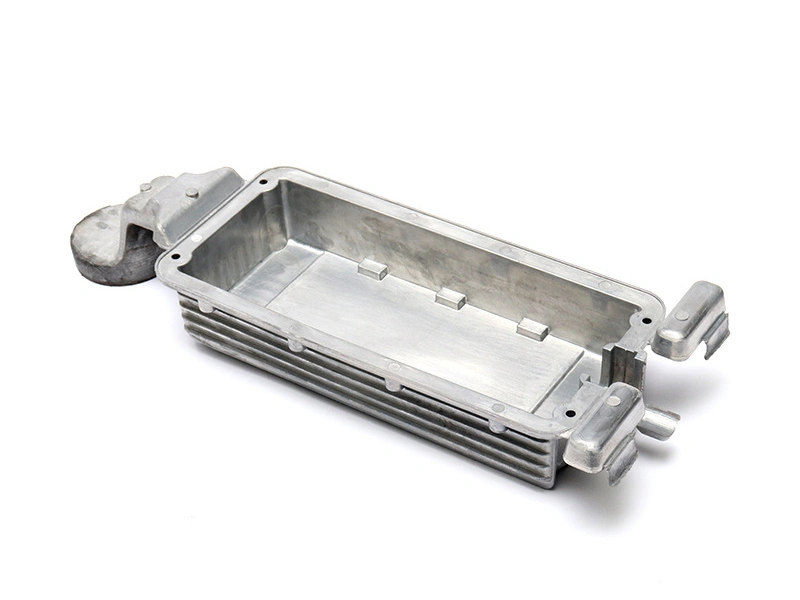
Aluminum parts cost reduction solutions should focus on the finished component, not only the raw material price. Buyers often need custom aluminum housings, covers, brackets, frames, heat sink bodies, motor covers or machined castings that include tooling, casting, CNC machining, surface finishing, inspection and packaging. Real cost reduction happens when the design and manufacturing route are reviewed together.
The safest cost reduction keeps function, assembly, surface finish and quality evidence intact while removing unnecessary cost. A part may cost too much because every surface is machined, all dimensions are over-toleranced, the wall sections are heavy, the finish standard is too strict for hidden areas, or the batch plan spreads setup cost across too few parts. These problems are engineering and sourcing problems, not only price negotiation problems.
For Neway projects, cost reduction should begin with the drawing. The team should identify which features are functional, which features are cosmetic, which surfaces can remain as cast, which features need CNC machining, which finish is truly needed and which inspection items protect the buyer's use case. Then the quote can separate necessary cost from avoidable cost.
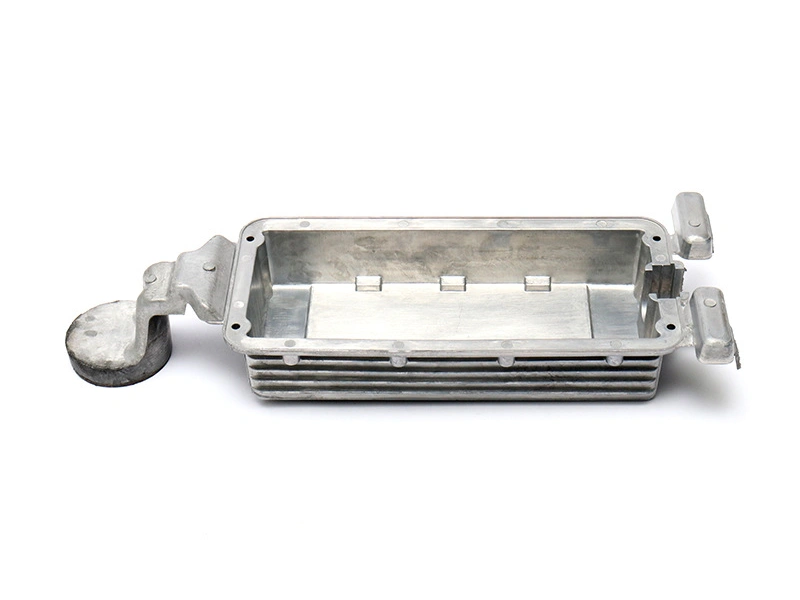
Main Cost Drivers in Custom Aluminum Parts
Custom aluminum part cost is driven by material, tooling, part weight, casting cycle, scrap risk, CNC machining time, surface finishing, inspection, packaging, batch size and lead time. The strongest reduction opportunities usually come from design and process review before production is locked. Once tooling is built and samples are approved, the cost window becomes smaller.
Cost Driver | What Raises Cost | Reduction Direction |
|---|---|---|
Part weight | Heavy walls, solid bosses and unnecessary material | Use ribs, cored bosses and balanced wall thickness |
Tooling | Slides, undercuts, complex parting lines and low volume | Simplify features and match tooling level to demand |
CNC machining | Machining too many surfaces or over-tight tolerances | Machine only functional features |
Surface finishing | Premium finish on hidden areas or unclear masking | Define A-side/B-side surfaces and finish samples |
Inspection | Full inspection on non-critical features | Use risk-based inspection tied to function |
Batch size | Small batches with repeated setup and fixture changes | Plan pilot, low-volume and production quantities clearly |
Design Changes That Reduce Aluminum Part Cost
Design changes can reduce aluminum part cost when they remove unnecessary material, simplify tooling, reduce machining time or improve casting stability. Common actions include balancing wall thickness, coring heavy bosses, adding ribs instead of solid sections, increasing radii, simplifying undercuts, moving cosmetic surfaces away from tool marks and defining realistic tolerances.
These changes should protect function. A load-bearing boss cannot simply be hollowed without review. A sealing face cannot be left rough if it must prevent leakage. A visible cover face cannot be treated like a hidden rib. Cost reduction works best when the buyer and supplier separate mandatory functional requirements from areas where design freedom exists.
Design Area | Cost Reduction Opportunity | Validation Needed |
|---|---|---|
Wall sections | Remove unnecessary thickness and balance cooling | Filling, strength and dimensional check |
Bosses | Core heavy bosses and support them with ribs | Thread strength and porosity review |
Undercuts | Reduce slides or secondary machining | Assembly function and tooling feasibility |
Tolerance notes | Use tight tolerance only on functional features | CMM or gauge check for critical dimensions |
Cosmetic surfaces | Limit premium finish to visible faces | Approved finish sample |
Reducing CNC Machining Cost on Aluminum Parts
CNC machining is often one of the largest cost drivers after casting. Aluminum die casting or casting can create the main shape, but threads, bores, gasket faces, datums and mounting pads may need machining. Buyers can reduce machining cost by machining only functional areas, using realistic tolerances, avoiding deep pockets where possible, reducing setups and aligning datum strategy with the casting. For machined interfaces, reducing full CNC machining work should be reviewed before tooling so allowance and fixture access are not missed.
Over-machining is common when drawings apply tight tolerance or surface finish to every face. A better approach keeps non-functional surfaces as cast, machines only the surfaces that affect fit, sealing or assembly, and inspects the features that matter. Fixture design should also be reviewed because unstable workholding can create rework and inspection cost.
Machining cost is also tied to setup count. If a part must be flipped several times to reach holes and faces, fixture labor and inspection time increase. Design changes that place features on fewer accessible faces can reduce cost. For production parts, a dedicated fixture may cost more upfront but reduce unit cost and variation across batches.
Tooling and Batch Size Cost Reduction
Tooling cost should be evaluated against expected demand. A low-volume aluminum part may not justify complex production die tooling. A high-volume part may justify better tooling, more cavities or dedicated trim and machining fixtures. Buyers should provide pilot quantity, annual volume and expected repeat order rhythm so the supplier can recommend the right investment level.
Batch size affects setup cost. Small batches may be necessary for launch, but repeated tiny orders can keep unit cost high because setup, machining fixture preparation, coating setup and inspection reports are repeated. If demand is stable, grouping batches or planning scheduled releases can reduce manufacturing friction without changing the part.
Material and Alloy Cost Reduction
Material cost reduction does not always mean choosing the cheapest alloy. A380 or ADC12 may be practical for many aluminum die cast parts. A360 or A413 may be reviewed for selected corrosion, pressure or fluidity needs, but they should be used only when the benefit matters. A356-T6 may be necessary for some structural casting routes, but it can add heat-treatment and machining complexity. The material should match the route and finished-part requirement.
Equivalent material approval can reduce sourcing friction, but it must be controlled. If the buyer allows equivalent grades, the supplier should state the proposed material and provide documents when required. If the end customer locks the grade, substitution can create quality or approval problems.
Material cost also includes scrap risk. A cheaper material direction may not reduce total cost if it causes casting defects, finish issues or customer rejection. For example, switching alloy to save raw material cost may be a poor decision if the part then needs more machining inspection or coating rework. Buyers should ask suppliers to explain total cost, not only material price. Before pushing for a lower quote, buyers can use mold design effects on cost and quality to check whether the cost is coming from real process scope.
Surface Finishing and Inspection Cost Control
Surface finishing cost can be reduced by defining visible surfaces, hidden surfaces, masking areas, coating thickness and acceptable defects. A powder coated exterior face may need careful preparation and packaging, while hidden internal ribs may only need deburring. If every surface receives the highest cosmetic standard, cost increases without improving customer value.
Inspection cost should be risk-based. CMM may be needed for datum relationships and machined features. Thread gauges may be needed for tapped holes. Visual inspection may be enough for hidden surfaces. Leak testing should be used when sealing function requires it. Buyers should avoid broad inspection requirements that do not connect to product function.
The same logic applies to documentation. A first article report may be necessary for production release. Full CMM reports on every batch may not be necessary for low-risk features if a control plan and gauges are enough. Buyers should align inspection frequency with product risk, customer requirements and production history.
Quote Comparison Mistakes That Increase Cost
Many aluminum part cost problems start during quote comparison. Buyers may compare a raw casting quote with a finished machined and coated part quote. They may compare a prototype route with a production tooling route. They may choose the lowest unit price without checking tooling life, machining scope, finish, inspection or packaging. These comparisons can create false savings.
A reliable quote comparison separates tooling, casting, machining, finishing, inspection and packaging. It also states whether material records, first article reports, coating samples or leak tests are included. When all suppliers quote the same finished scope, the buyer can see which proposal truly reduces cost.
Tooling Amortization Example for Cost Review
Tooling should be compared as an amortized cost, not as an isolated quotation line. In a simple illustrative calculation, a USD 20,000 tool contributes USD 2.00 per part over 10,000 parts, USD 1.00 over 20,000 parts and USD 0.20 over 100,000 parts before maintenance, financing or tool-life limits are considered. This is not a Neway quote; it shows why annual demand changes the route decision.
Planned Volume | USD 20,000 Tool Amortization | Buyer Interpretation |
|---|---|---|
10,000 parts | USD 2.00 per part | Upfront tooling remains a major cost driver |
20,000 parts | USD 1.00 per part | Machining and finish savings become more important |
100,000 parts | USD 0.20 per part | Cycle time, yield and tool maintenance dominate |
Cost reduction should not weaken the drawing standard. ASTM B85 can frame aluminum die casting material requirements, ISO 8062-3 can guide as-cast dimensional classes, and ASME Y14.5 can identify which datums and geometric controls truly protect assembly. Removing an unnecessary tolerance is valid only after engineering confirms that function and inspection remain controlled.
Short Example: Aluminum Housing Cost Reduction
A buyer had an aluminum housing that was quoted with high cost because the original drawing required machining on nearly every exterior face and full cosmetic coating inside hidden pockets. The supplier reviewed the drawing and identified three functional areas: a gasket face, four threaded holes and two locating bores. Other surfaces could remain as cast or receive standard deburring and powder coating.
The design was adjusted by coring two heavy bosses, adding ribs for stiffness, keeping hidden pockets as cast, and masking only threads and the gasket face during coating. The revised quote reduced machining time and finishing labor while preserving assembly fit and external appearance. The buyer approved the change after first article dimensions and finish samples matched the functional requirement.
How to Validate Cost Reduction Before Production
Cost reduction should be validated before repeat production. If machining is reduced, the sample should prove fit and function. If material is changed, the buyer should review documentation and finished-part performance. If finish is simplified, the buyer should approve the new appearance and corrosion direction. If inspection frequency is reduced, critical features must still have a control method.
The validation record should include drawing revision, approved DFM changes, material direction, machined features, finish sample, inspection plan and packaging. This prevents the project from saving cost in one batch and losing control in the next.
RFQ Checklist for Aluminum Part Cost Reduction
Buyers who want cost reduction should provide the 3D model, 2D drawing, current cost problem, target quantity, annual volume, material requirement, critical dimensions, machined features, surface finish, inspection requirements, application environment and acceptable design-change limits. This lets the supplier identify real cost drivers instead of guessing.
RFQ Detail | Why It Helps Reduce Cost | Example Buyer Note |
|---|---|---|
Current cost problem | Shows whether cost comes from material, tooling, machining or finish | Machining time is too high |
Critical features | Protects function while relaxing non-critical areas | Only gasket face and two bores are critical |
Finish zones | Prevents premium finish on hidden areas | A-side exterior only, hidden ribs standard deburr |
Volume | Guides tooling, fixture and batch-size decisions | 200 pilot parts, 10,000 per year |
Allowed design changes | Lets supplier propose DFM improvements | Boss and rib changes allowed, mounting interface fixed |
Neway can support aluminum parts cost reduction through aluminum die casting, CNC machining, post-process finishing and inspection planning. The best cost reduction keeps the finished-part requirement clear while removing unnecessary material, machining, finishing and inspection cost. For quote review, one-stop manufacturing cost reduction helps buyers see which requirement is actually moving the unit price.
For buyers, the best outcome is not the lowest possible quote. It is a lower total manufacturing cost with stable function, documented quality and fewer surprises during repeat orders.
Total Cost Model for Aluminum Part Cost Reduction
A useful cost reduction review should separate one-time cost, unit cost and risk cost. One-time cost may include tooling, fixtures, sample correction and finish sample approval. Unit cost includes material, casting cycle, CNC machining time, coating, inspection and packaging. Risk cost includes scrap, rework, late design changes, quality disputes and delivery delay. A low unit price can still be expensive if risk cost is high.
Cost Type | Examples | Reduction Method |
|---|---|---|
One-time cost | Tooling, fixtures, trial samples and finish samples | Match investment to annual demand and lock design before tooling |
Unit cost | Material, casting, CNC machining, finishing and inspection | Reduce unnecessary material, machining surfaces and premium finish areas |
Risk cost | Scrap, rework, late tool changes and customer rejection | Use DFM, sample validation and clear acceptance standards |
Administrative cost | Quote revisions, unclear scope and repeated clarification | Provide complete RFQ files and approval rules |
Prototype, Pilot and Production Cost Reduction
Cost reduction should change by production stage. During prototypes, the buyer may accept higher unit cost to validate fit quickly. During pilot production, the focus shifts to proving tooling, fixtures, machining and finish. During production, the focus becomes unit cost, cycle time, repeat quality and batch consistency. A cost solution that works for one stage may be wrong for another.
For example, a CNC-machined aluminum prototype may be the fastest way to check assembly, but it may be too expensive for production. Aluminum die casting may reduce unit cost at volume, but it needs tooling investment. A pilot run may justify a simpler fixture, while production may justify dedicated fixtures to reduce machining time and inspection variation.
Supplier Workflow for Cost Reduction
A supplier workflow should start with cost driver diagnosis. The supplier should identify whether the cost is coming from part weight, tooling complexity, CNC cycle time, finish requirements, inspection burden, small batch size or unclear documentation. Then the supplier should propose changes with risk and validation method.
Neway can review aluminum parts through design, aluminum die casting, CNC machining, post-process finishing and quality planning. The cost-reduction proposal should state what changes, why it saves cost, what risk remains, which verified sample results approve it and how repeat production will follow the new standard. For quote review, how to reduce unit costs in aluminum die casting parts helps buyers see which requirement is actually moving the unit price.
What Not to Cut When Reducing Aluminum Part Cost
Buyers should not reduce cost by removing proof from features that control function. Sealing faces, bearing bores, threaded holes, mounting datums, pressure boundaries and customer-facing cosmetic surfaces need proper control. A lower quote that removes required machining, finish protection or inspection can become more expensive through scrap, rework, returned parts or assembly failures.
Cost reduction should have a risk boundary. If a supplier recommends relaxing tolerance, the proposal should state which assembly condition remains safe. If a finish is simplified, the proposal should state which surface class changes and which visible surfaces remain protected. If inspection frequency is reduced, the supplier should explain which gauges or process controls still protect the critical features. For quote review, surface treatment effects on aluminum die casting cost helps buyers see which requirement is actually moving the unit price.
Buyers should also protect delivery. A cost reduction that requires repeated design clarification, unclear sample approval or new rework loops can delay launch. The best savings are easy to release because the drawing, quote, sample report and production standard all say the same thing.
Cost Reduction Release Checklist
Release Item | What to Confirm | Why It Matters |
|---|---|---|
Updated drawing | Accepted design, tolerance or finish changes | Prevents old and new standards from mixing |
Validation result | Dimensional, assembly or finish proof | Confirms savings did not damage function |
Quote scope | Tooling, machining, finish, inspection and packaging | Allows fair supplier comparison |
Inspection plan | Critical features, tools and frequency | Keeps quality controlled after cost reduction |
Repeat order rule | Approved batch size and release standard | Maintains savings across future orders |
When this checklist is complete, cost reduction becomes measurable. The buyer can see which cost was removed, which function was protected and which evidence proves the new route. That is very different from asking suppliers to "do it cheaper" without engineering boundaries.
Precisely.
Measurably.
FAQ