Cost to Anodize Aluminum: What Buyers Should Know Before Quoting
Cost to Anodize Aluminum: What Buyers Should Know Before Quoting
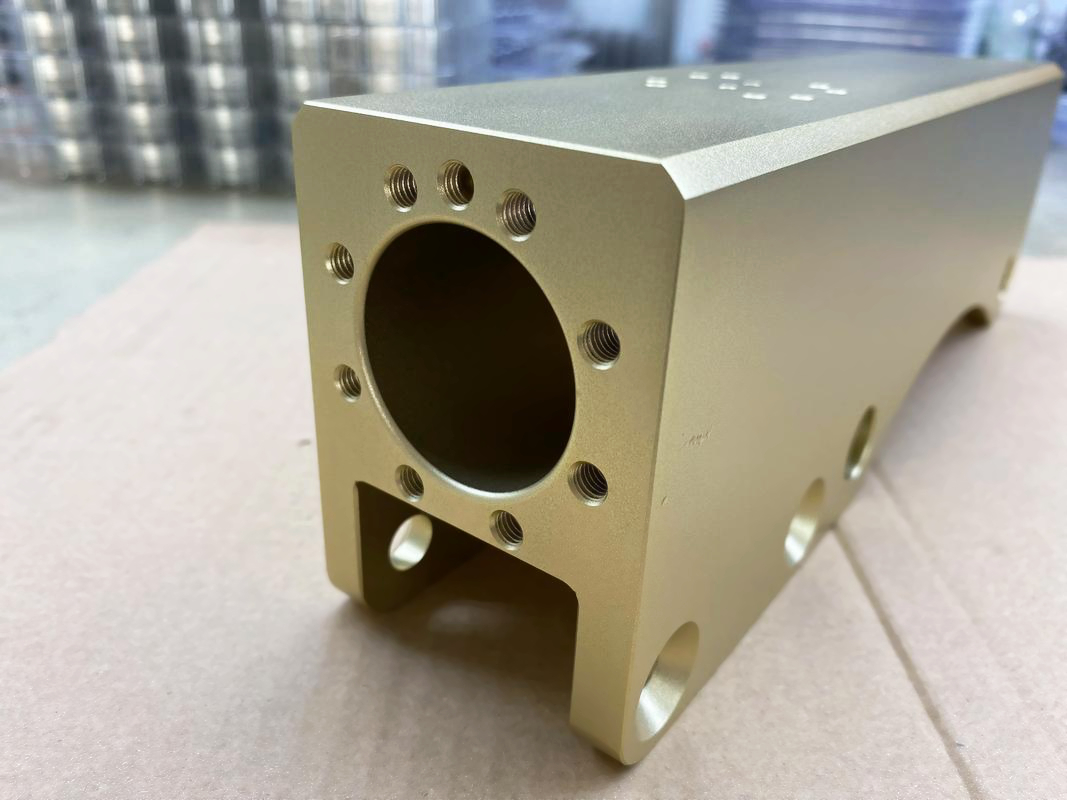
The cost to anodize aluminum changes because anodizing is not priced only by part size. A quote can change when the part needs Type II sulfuric anodizing, Type III hardcoat anodizing, dyed color, clear sealing, thicker coating, masking, cosmetic surface preparation, cast aluminum defect review, small-batch handling or extra inspection.
For buyers, the useful question is not "What is the price per part?" before the supplier has seen the drawing. The useful question is "Which features, finish requirements and production conditions will change the anodizing quote?" A small 6061 machined plate with clear Type II anodize may be simple. A cast aluminum housing with black finish, masked threads, visible cosmetic faces and pressure sealing surfaces can carry more cost even if the part is not much larger.
Anodizing cost is also affected by what happens before and after the tank. Parts may need deburring, cleaning, polishing, blasting, color sample approval, racking, masking, coating thickness checks, visual inspection and protective packaging. These steps can matter more than the chemical bath itself when the project involves finished production parts rather than simple test coupons.
To understand the cost drivers in more detail, buyers can review anodizing price estimate factors, film thickness impact on pricing, Type III versus Type II anodizing cost, small-batch anodizing unit price, anodizing choice for die-cast ADC12 parts and anodizing on aluminum die casting components.
Main Cost Drivers for Aluminum Anodizing
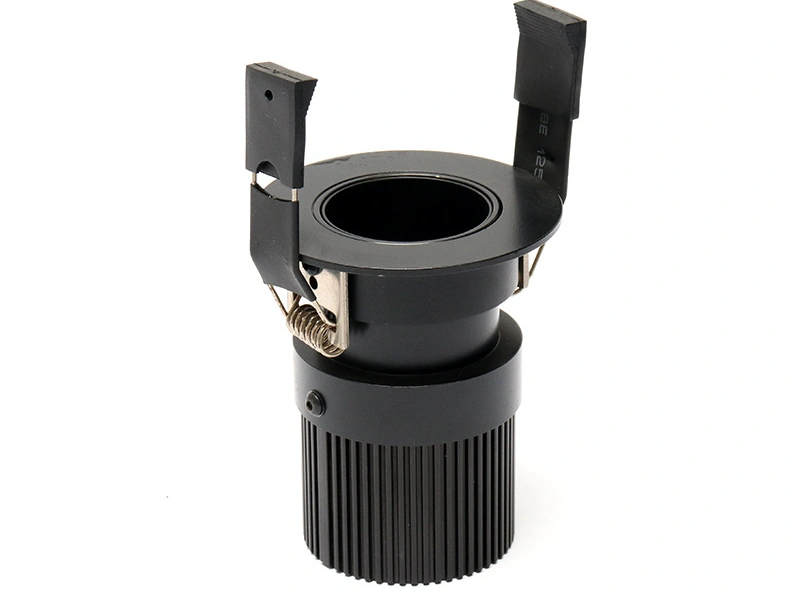
Aluminum anodizing cost is usually driven by process type, coating thickness, color, part size, surface area, alloy, surface preparation, masking, quantity, inspection and handling. A quote for anodizing a single aluminum prototype may include a minimum lot charge. A quote for repeat production may be more sensitive to racking density, batch consistency and inspection frequency.
Buyers often focus on area or weight, but those are only part of the cost. A simple flat plate can be easy to rack, mask and inspect. A complex die cast aluminum cover with blind holes, ribs, recessed logos and visible front surfaces may take more labor even if the surface area is similar. Cost is tied to the amount of controlled work needed to make the finish acceptable.
Cost Driver | How It Changes the Quote | Buyer Check |
|---|---|---|
Anodizing type | Type II, Type III hardcoat and special requirements carry different processing demands | State the exact type and standard |
Coating thickness | Thicker coatings can require longer process time and tighter control | Define target thickness or range |
Color and sealing | Dyed colors and sealing add process control and approval steps | Provide color sample or acceptable shade range |
Masking | Threads, bores, sealing faces and electrical contact points add labor | Mark masked areas clearly on the drawing |
Surface preparation | Polishing, blasting or cosmetic cleanup can add more cost than anodizing itself | Define visible surfaces and appearance level |
Alloy and casting quality | A380, ADC12 and porous cast surfaces may create appearance variation | Confirm alloy and sample approval needs |
Batch size | Small runs may carry minimum charges; larger runs rely on racking efficiency | Provide prototype, pilot and annual volume |
Inspection | Thickness reports, visual checks and dimensional checks add documentation work | Specify what evidence is required |
Type II vs Type III Hardcoat Cost Difference
Type II anodizing is usually selected for decorative color, moderate corrosion protection and common commercial aluminum parts. Type III hardcoat anodizing is selected for thicker, harder and more wear-resistant coating. Hardcoat usually costs more because it demands tighter process control, greater thickness and more attention to dimensional change.
Type II may be suitable for black anodized 6061 panels, clear anodized brackets, decorative covers and moderate-use aluminum components. Type III may be needed for sliding surfaces, wear areas, abrasive environments, high-friction contact or functional parts where coating hardness matters. Buyers should not choose hardcoat only because it sounds stronger. If the part only needs color, Type III can create unnecessary cost and tolerance risk.
Coating thickness changes the cost and the part. Type II is often discussed in thinner ranges than Type III. Type III hardcoat can affect bores, slots, threaded holes and close fits more strongly. If the quote includes hardcoat, the buyer should confirm whether dimensions are measured before or after coating, whether masking is needed and whether the machined size must be adjusted.
Requirement | Type II Cost Logic | Type III Cost Logic |
|---|---|---|
Primary purpose | Color, corrosion protection and appearance | Wear resistance, hardness and functional protection |
Thickness impact | Usually easier to manage on commercial parts | More likely to affect precision fits |
Inspection | Visual approval and thickness check may be enough | Thickness and functional feature checks are more important |
Typical cost risk | Color variation, surface preparation and masking labor | Longer process, tighter control and fit corrections |
How Color and Sealing Affect Anodizing Price
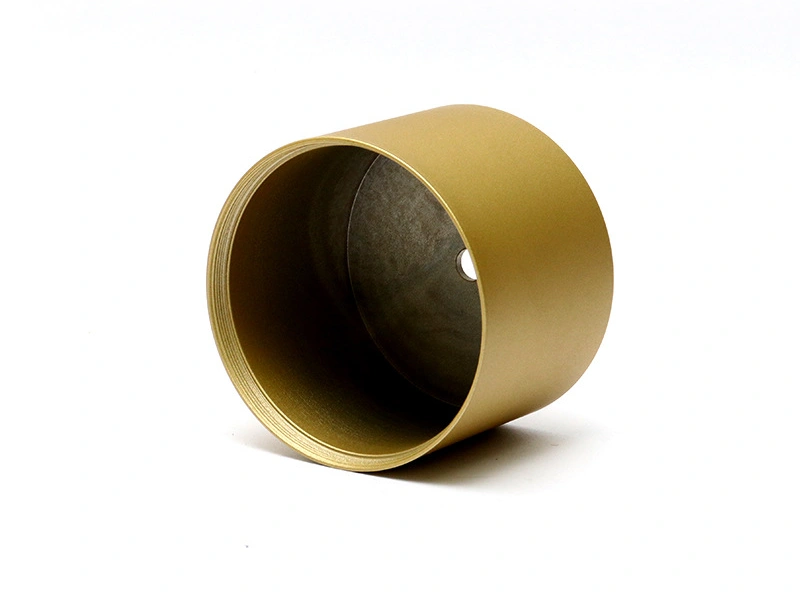
Color affects the cost to anodize aluminum because dyed anodizing requires control beyond forming an oxide layer. Black, clear and natural finishes may be easier to manage than custom colors or tight color matching across several parts. If the product has multiple visible components assembled together, buyers should approve a color master and specify acceptable shade variation.
Sealing also matters. Sealing improves corrosion resistance and helps stabilize dyed color. A quote should state whether sealing is included, what type of sealing is expected and whether the finish must meet a corrosion or appearance requirement. If sealing is left vague, two suppliers may quote different process scopes for the same "anodize" note.
Color cost is often not just dye cost. It includes surface preparation, sample approval, batch separation, rework risk and visual inspection. A non-visible internal bracket can often accept a broader appearance range. A visible consumer product cover, lighting housing or control panel needs stricter approval and handling.
Color matching becomes more expensive when several parts must sit together in one assembly. A black anodized front panel, side cover and handle may all be acceptable alone but look mismatched when mounted together. The quote may need to include same-batch processing, retained color master, controlled surface texture and extra visual sorting. If parts come from different alloys or different machining finishes, the supplier should warn that perfect color matching may not be realistic.
Buyers should also define whether the color requirement is cosmetic or functional. A hidden black anodized mounting plate may only need a general black appearance. A visible camera housing, lighting trim or control interface may need stricter shade, gloss and scratch limits. That difference changes inspection time and rejection risk, so it changes price.
Masking Threads, Bores and Contact Surfaces Add Real Cost
Masking is one of the most common hidden cost drivers in aluminum anodizing. Threads, bearing bores, dowel holes, sealing faces, electrical contact pads and tight sliding features may need to remain uncoated. Masking takes labor, plugs, tapes, fixture planning and inspection after finishing.
If the buyer does not mark masking areas, the quote may look lower but the parts may fail assembly. Anodizing is an insulating oxide layer. A grounding surface or electrical contact point may stop working if it is coated. A threaded hole may become difficult to gauge. A dowel hole may become too tight. A sealing face may need a controlled surface condition.
The cost impact is highest when a part has many small features. A housing with twenty threaded holes and three masked bores can cost more to finish than a larger cover with no masking. Buyers should mark masked areas in the 2D drawing and identify which dimensions apply after anodizing.
Why Cast Aluminum Can Cost More to Anodize Than Machined 6061
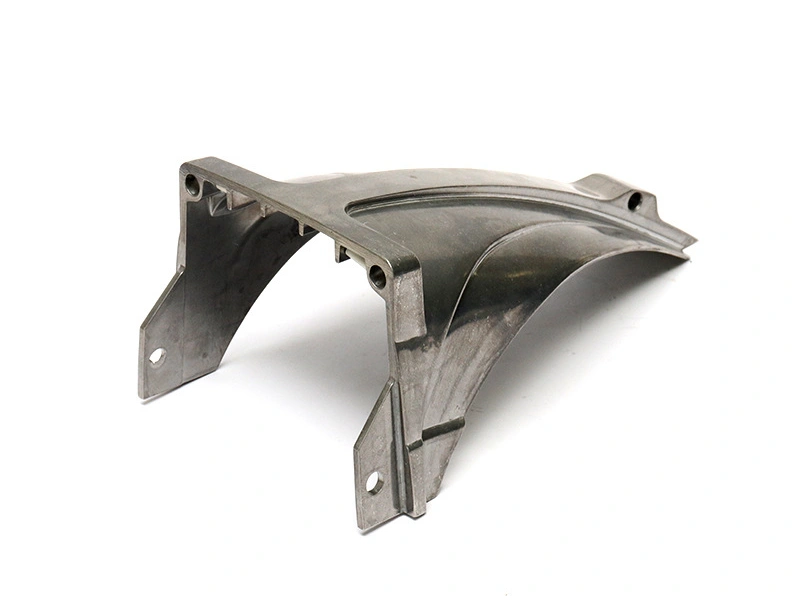
Cast aluminum can cost more to anodize when surface defects, alloy chemistry and cosmetic expectations create extra review. Wrought alloys such as 6061 and 6063 often give more predictable anodized appearance. High-silicon die casting alloys such as A380 or ADC12 can produce darker, less uniform or less decorative finishes. Pores, cold shuts, flow marks and polishing differences can remain visible after anodizing.
This does not mean cast aluminum cannot be anodized. It means the buyer should not quote a cast housing as if it were a simple machined 6061 plate. The supplier may need sample testing, surface preparation review, cosmetic standard limits and a discussion about whether anodizing, powder coating or painting is the better finish for the visible requirement.
If the buyer wants black anodized cast aluminum with a premium cosmetic finish, the quote should include realistic inspection criteria. If the part only needs corrosion protection or a technical surface, the appearance standard may be looser. Cost follows the acceptance standard. The tighter the cosmetic requirement, the more review, sorting and rework risk the supplier must price.
Batch Size, Minimum Charges and Production Repeatability
Batch size affects anodizing cost because finishing suppliers often have minimum lot charges, setup labor, racking work and tank scheduling. One prototype can be expensive per part because the setup cost is spread across a single item. A production batch can reduce unit cost when parts rack efficiently and requirements are stable.
However, high quantity does not automatically make anodizing cheap. Parts with difficult masking, color-critical appearance or heavy inspection can remain expensive. Production repeatability requires stable alloy, stable pre-finish surface condition, fixed color approval and consistent packaging. A quote for repeat orders should show what is included so the next batch does not change appearance or fit.
Buyers should provide current quantity, expected annual volume and whether the order is prototype, pilot run or repeat production. That information helps the supplier decide whether to quote a one-time sample route or a more stable production route with fixtures, color controls and inspection records.
Repeat production also changes how cost should be evaluated. The cheapest first batch may not be the lowest long-term cost if the supplier does not keep masking instructions, racking method, color approval sample and inspection criteria. When those controls are missing, the second batch may require another approval cycle. For parts used in ongoing equipment, buyers should ask how finish masters, records and masking notes are retained for repeat orders.
Quantity Stage | Cost Pattern | Quote Point |
|---|---|---|
Prototype | High unit cost due to setup and minimum lot charge | Use samples to validate color, masking and fit |
Pilot batch | Cost starts to reflect repeat handling and inspection | Confirm racking, masking and visual standard |
Production batch | Unit cost improves if requirements are stable | Lock retained sample, inspection method and packaging |
Repeat order | Cost risk depends on whether process records are retained | Use the same drawing revision and finish approval record |
Why Two Anodizing Quotes Can Look Different
Two suppliers can quote different prices because they may not be quoting the same work. One quote may include cleaning, deburring review, masking, sealing, thickness inspection, color sample approval and protective packaging. Another quote may include only basic anodizing. Without a clear RFQ, the cheaper quote may simply be missing work that the buyer actually needs.
Buyers should compare quote scope line by line. Does the quote include Type II or Type III? Is sealing included? Are threaded holes masked? Are cosmetic faces inspected? Is coating thickness reported? Are parts individually wrapped after finishing? Does the supplier accept the alloy and appearance risk? These details decide whether a quote can support finished parts.
This is especially important for cast and machined aluminum assemblies. The finishing supplier may need to coordinate with machining so that holes, bores and sealing faces remain usable after coating. If machining and anodizing are quoted separately, the buyer must make sure both suppliers understand final coated dimensions and masked areas.
A practical way to compare quotes is to ask each supplier to separate base anodizing, surface preparation, masking, inspection and packaging. The buyer can then see whether the price difference comes from real process scope or from missing details. This is also useful when deciding whether to change a requirement. If masking drives most of the cost, the design team may review whether all masked features are necessary. If cosmetic sorting drives the cost, the buyer may define which faces are actually visible after assembly.
Cost reduction should protect the features that matter. Removing a thickness report may be acceptable for a non-critical bracket, but it may not be acceptable for a wear surface or customer-controlled finish. Skipping masking on a grounding pad can create electrical failure. The best quote is the one that shows where money is spent and what risk is being controlled.
Short Example: Cast Aluminum Housing Cost Risk
A buyer requested black anodizing for a cast aluminum electronics housing. The first quote looked simple because the RFQ only said "black anodize." After drawing review, the supplier found eight threaded holes, two grounding pads, a sealing face, visible front surfaces and A380 material. The project was no longer a simple color finish.
The quote changed because the supplier had to include masking for threads and grounding pads, surface preparation review for the visible face, sealing confirmation, visual sample approval and post-finish thread gauge checks. The buyer also learned that anodized A380 might not match the visual smoothness of machined 6061. After sample review, the buyer chose a controlled black finish for the visible surface and kept critical contact areas masked. The higher quote avoided rejected parts and assembly delays.
What to Include in an Aluminum Anodizing RFQ
A good aluminum anodizing RFQ should show the supplier the real finish scope. It should include drawings, alloy, quantity, anodizing type, thickness, color, sealing, surface preparation, masking, critical dimensions, visible surfaces, inspection records and packaging requirements. If the project involves cast aluminum, the RFQ should also identify the casting process and cosmetic acceptance level.
RFQ Item | Why It Affects Cost | Example Detail |
|---|---|---|
Alloy | Controls finish response and color risk | 6061, 6063, A380, ADC12 or A356-T6 |
Anodizing type | Different types require different process control | Type II black, Type II clear or Type III hardcoat |
Thickness | Affects process time and dimensional fit | Target range or drawing standard |
Masking map | Labor can be a major cost driver | Threads, bores, grounding pads and sealing faces |
Visible surfaces | Controls surface preparation and inspection | Front face cosmetic, internal ribs non-cosmetic |
Inspection | Documentation and checks add work | Thickness report, visual standard, thread gauge check |
Neway can review anodizing cost together with aluminum die casting, CNC machining, masking, surface preparation and final inspection. This helps buyers compare the real finished-part cost instead of comparing incomplete anodizing notes from different suppliers.
For buyers trying to control cost, the strongest RFQ is not the shortest one. It is the one that separates must-have requirements from preferences. Wear surfaces, sealing faces, threaded holes and electrical contact points may be must-have requirements. A very tight cosmetic shade on a hidden face may be unnecessary. When the RFQ makes this difference clear, the supplier can avoid over-processing low-risk areas while protecting the features that determine whether the part will be accepted.
FAQ