Type 2 vs Type 3 Anodizing: How Buyers Choose Coating Thickness, Wear Resistance and Fit
Type 2 vs Type 3 Anodizing: How Buyers Choose Coating Thickness, Wear Resistance and Fit
Type 2 vs Type 3 anodizing is a coating decision for aluminum parts, not only a surface color choice. Type 2 anodizing, commonly sulfuric acid anodizing, is usually selected for decorative color, moderate corrosion protection and general surface improvement. Type 3 anodizing, commonly called hardcoat anodizing, is selected when the part needs thicker coating, higher wear resistance, better abrasion behavior and stronger functional protection.
The practical difference starts with thickness. Type 2 anodizing is often discussed around 5 to 25 microns, depending on specification and application. Type 3 hardcoat anodizing is often discussed around 25 to 100 microns, with the final value depending on alloy, coating class, function and supplier capability. These ranges are planning directions, not universal promises. Buyers should confirm the exact requirement on the drawing or RFQ.
The choice affects more than appearance. Coating thickness can change bore size, thread fit, slot width, sliding clearance, sealing surface contact and assembly force. Type 3 may protect a wear surface better, but it can create fit problems if the drawing was designed for bare aluminum or thin Type 2 anodizing. A strong anodizing decision therefore reviews performance, finish, tolerance and masking together.
For related anodizing decisions, buyers can review anodizing classifications and industry standards, anodizing benefits for durability and appearance, metals suited for anodizing, Type II versus Type III hardness limits, Type III dimensional change risk and Type III hardcoat cost difference before specifying the finish on a drawing.
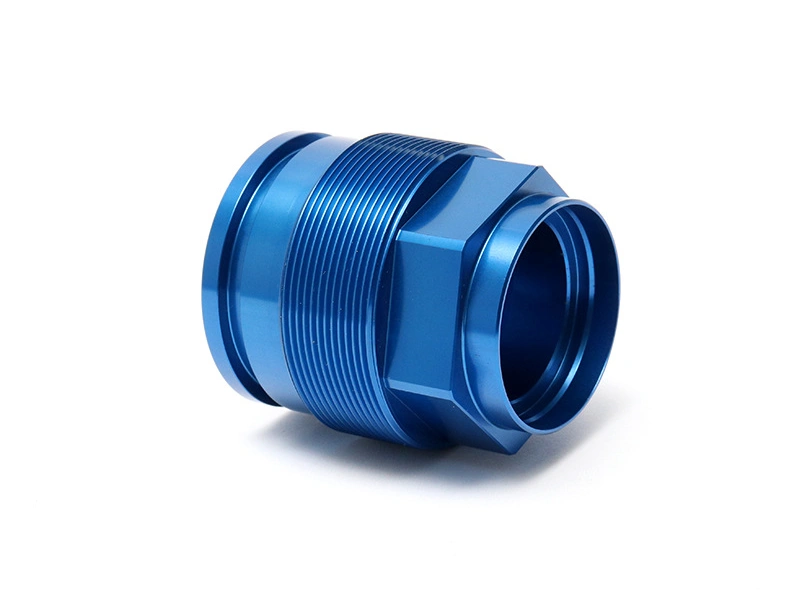
Quick Comparison: Type 2 and Type 3 Anodizing
Type 2 anodizing is usually the better starting point when buyers need a decorative or protective finish on aluminum parts that do not face severe sliding wear. Type 3 anodizing is usually the better choice when the surface is functional, exposed to abrasion, or part of a mechanical interface that must resist wear over time.
Buyers should not choose Type 3 only because it sounds stronger. Hardcoat anodizing is thicker, often darker or less color-flexible, and more likely to affect tight fits. Type 2 may be more suitable for colored housings, electronic enclosures, visible brackets and parts where appearance, corrosion protection and moderate cost matter more than heavy wear resistance.
Item | Type 2 Anodizing | Type 3 Anodizing |
|---|---|---|
Common name | Sulfuric acid anodizing | Hardcoat anodizing |
Typical thickness direction | About 5-25 um | About 25-100 um |
Main purpose | Decorative color, corrosion protection and moderate surface improvement | Wear resistance, abrasion resistance and functional surface protection |
Color flexibility | Better for dyed colors and cosmetic parts | More limited; darker natural appearance is common |
Fit impact | Lower, but still needs review on tight features | Higher; bores, threads and sliding fits need masking or allowance |
Cost direction | Usually lower than Type 3 | Usually higher due to thickness, process time and control |
Best fit | Enclosures, covers, decorative brackets and moderate-duty parts | Wear rails, sliding contact areas, tooling plates, military or industrial parts |
When Type 2 Anodizing Is the Better Choice
Type 2 anodizing is the better choice when the buyer needs a controlled decorative finish, dyed color, moderate corrosion protection and lower coating thickness. It is commonly used for aluminum enclosures, consumer electronics housings, lighting components, covers, panels, brackets and visible machined or cast parts that need a clean anodized appearance.
The key advantage is balance. Type 2 can improve surface durability and corrosion behavior while keeping thickness lower than Type 3. It is often easier to plan for colored anodizing, though final color depends on alloy, surface preparation, casting quality and sealing. For decorative parts, the buyer should define color, gloss, visible surfaces, acceptable variation and any masking areas before ordering.
Type 2 is not the best choice when the surface will face continuous sliding wear, abrasive contact or heavy mechanical rubbing. It can protect better than untreated aluminum, but it should not be treated as a substitute for hardcoat when wear is the main failure mode. Buyers should also remember that Type 2 still changes dimensions slightly, especially on precision holes or fine threads.
Good Type 2 Application | Reason | Buyer Note |
|---|---|---|
Electronic enclosure | Needs color, corrosion protection and clean appearance | Confirm color sample and masking for grounding points |
Lighting housing or cover | Needs surface protection without heavy wear load | Review alloy and visible surface texture |
Decorative bracket | Needs moderate protection and consistent finish | Mark visible faces and acceptable color variation |
Machined aluminum panel | Needs a thin anodized finish with readable edges | Check engraved areas, threads and small holes |
When Type 3 Hardcoat Anodizing Is Needed
Type 3 hardcoat anodizing is needed when the aluminum part requires higher wear resistance, thicker oxide layer, better abrasion behavior and stronger functional protection. It is commonly reviewed for industrial equipment, sliding components, wear surfaces, military-standard parts, tooling plates, pneumatic or hydraulic components, guide surfaces and parts that contact other moving components.
Hardcoat thickness can improve durability, but it also changes fit more noticeably. A bore, slot, groove or thread that worked before coating may become too tight after Type 3 anodizing. Buyers should decide whether to mask the feature, machine it oversize before coating, or adjust the assembly clearance. This decision should be made before machining, not after coated parts fail to assemble.
Type 3 is also less flexible for cosmetic color. Dark gray, black or olive tones may be common depending on process and sealing, but bright decorative colors are not the usual reason to choose hardcoat. If the project needs both cosmetic color and wear resistance, buyers may need to separate visible decorative surfaces from functional wear surfaces or discuss selective masking.
A common Type 3 mistake is coating an entire part because one small area needs wear resistance. This may increase cost and create tolerance problems on unrelated features. If only a rail, slot, bore edge or contact pad needs hardcoat, the buyer should ask whether selective masking or localized functional coating logic is practical. The goal is to protect the failure surface without damaging the fit of every other surface.
How Coating Thickness Changes Tolerance and Assembly Fit
Coating thickness is one of the most important engineering differences between Type 2 and Type 3 anodizing. Anodizing grows an oxide layer on the aluminum surface, with part of the coating penetrating inward and part building outward. The exact dimensional change depends on alloy, process and coating thickness, so buyers should not assume the full coating value simply adds outward in every case.
For practical RFQ planning, buyers should identify all features where coating thickness affects fit. These include threaded holes, close-fit bores, bearing seats, sliding slots, dowel holes, sealing grooves, press-fit areas and mating faces. If Type 3 anodizing is selected, these features may need masking or pre-machining compensation.
Feature | Type 2 Risk | Type 3 Risk | Buyer Action |
|---|---|---|---|
Threaded holes | Minor fit change on fine threads | Thread tightness or gauge failure | Mask, chase threads after coating if allowed, or adjust drawing |
Bores | Possible diameter reduction | High risk for tight fits | Define final coated bore requirement |
Sliding slots | Usually manageable with clearance review | Friction or assembly interference | Increase clearance or selectively coat |
Sealing faces | May affect surface contact | Can change compression or flatness expectation | Confirm whether face should be coated, masked or machined after coating |
Cosmetic surfaces | Color and texture consistency matter | Color may be less decorative | Approve finish sample before production |
How Aluminum Alloy and Casting Quality Affect Anodizing Results
Aluminum alloy and casting quality strongly affect anodizing results. Wrought alloys such as 6061 and 6063 often anodize more predictably than many cast aluminum alloys. High-silicon die casting alloys such as A380 or ADC12 can show darker, grayer or less uniform anodized appearance. 7075 may be selected for strength, but its anodizing response, corrosion behavior and process control need review.
For cast aluminum parts, porosity, cold shut, flow marks, silicon content, polishing direction and surface repair can affect final appearance. If a buyer expects a bright decorative Type 2 finish on a cast aluminum part, the supplier should review whether the alloy and casting surface can support that expectation. Some cast parts are better suited for powder coating, painting or functional anodizing rather than premium cosmetic anodizing.
Hardcoat anodizing can be more forgiving when the goal is wear protection rather than bright appearance, but alloy still matters. Coating uniformity, edge buildup, color and surface texture can vary. Buyers should ask for a sample or clear acceptance standard when appearance matters.
Material or Surface | Type 2 Concern | Type 3 Concern |
|---|---|---|
6061 machined aluminum | Usually predictable, but machining marks can remain visible | Good candidate for functional hardcoat if fit is planned |
6063 aluminum | Often strong for decorative anodizing | Use hardcoat only when wear requirement justifies it |
7075 aluminum | Requires corrosion and sealing review | Hardcoat can help wear, but specification control is important |
A380 or ADC12 casting | May show dark or uneven cosmetic result | Functional hardcoat may work, but appearance should be sampled |
Blasted surface | Texture affects final look and color depth | May help matte appearance but still affects thickness measurement points |
How Sealing, Color and Surface Preparation Affect the Final Part
Sealing affects corrosion performance, dye retention and surface behavior after anodizing. Type 2 dyed anodizing usually needs proper sealing to stabilize color and improve protection. Type 3 hardcoat may be sealed or unsealed depending on wear, corrosion, lubricity and specification. An unsealed hardcoat surface may retain different wear or absorption behavior than a sealed surface.
Surface preparation also matters. Machining marks, polishing direction, blasting texture, scratches, casting pores and repair marks can remain visible after anodizing. Anodizing is not a filler coating like paint. It converts the aluminum surface. If the surface is uneven before anodizing, the final appearance may still show those differences.
Buyers should define visible surfaces, acceptable color range, masking points and whether a finish sample is required. For production parts, a small approved sample can prevent disputes over shade, gloss, surface texture or edge color.
For sealing faces and sliding contact areas, buyers should also decide whether anodizing should remain on the surface after final machining. Some surfaces should be anodized for protection. Others should be masked because coating changes contact behavior. A sealing face that looks acceptable may still fail if coating thickness changes gasket compression or creates a surface roughness mismatch. The drawing should make these decisions visible.
What Buyers Should Include in a Type 2 vs Type 3 Anodizing RFQ
A Type 2 vs Type 3 anodizing RFQ should include the aluminum alloy, part drawing, coating type, target thickness, color, sealing requirement, masking areas, critical tolerances, visible surfaces, quantity, inspection requirement and working environment. If the part has threads, bores, sliding fits or sealing faces, these features should be marked clearly.
Buyers should not ask only for "black anodize" or "hard anodize" without thickness and fit requirements. Black Type 2 anodizing and black hardcoat anodizing can mean different performance, thickness and cost. If the drawing references MIL-A-8625, the required type, class and thickness expectations should be clear.
RFQ Item | What to State | Why It Matters |
|---|---|---|
Aluminum alloy | 6061, 6063, 7075, A380, ADC12 or other grade | Changes color, coating response and surface expectation |
Anodizing type | Type 2 or Type 3 | Controls thickness, wear resistance and cost |
Thickness | Target or specification range | Controls fit, durability and inspection |
Color and sealing | Natural, black, dyed color, sealed or unsealed | Affects appearance, corrosion and wear behavior |
Masking areas | Threads, bores, contact faces or electrical contact points | Prevents assembly or functional failure |
Critical dimensions | Final coated dimensions or pre-coating dimensions | Prevents tolerance disputes after coating |
Neway can help buyers review Type 2 and Type 3 anodizing requirements together with material, machining, surface preparation, masking and inspection. This helps prevent a common problem: choosing the stronger coating but discovering too late that the part no longer fits the assembly.
Practical Selection Example: Type 2 Visible Cover vs Type 3 Wear Rail
Consider an aluminum equipment cover with visible outside surfaces, threaded mounting holes and two internal rails that contact a sliding component. If the buyer selects Type 2 black anodizing for the entire part, the outside appearance may be good, but the rails may wear too quickly. If the buyer selects Type 3 hardcoat for the entire part, the rails may survive better, but the threaded holes and cover fit may become tight, and the visible color may not match the desired cosmetic standard.
A better decision may be to use Type 2 for the visible cover surfaces and review Type 3 hardcoat only for the wear-contact rail area, if the design and supplier process allow that control. The threaded holes may need masking, and the rail dimensions may need final coated clearance. This example shows why Type 2 vs Type 3 anodizing is not only a finish name. It is a manufacturing decision that connects surface function, appearance, tolerance and assembly.
When buyers define the coating purpose for each surface, the anodizing supplier can quote more accurately and the machining team can prepare the right pre-coating dimensions. That reduces rework after finishing and gives the buyer a clearer approval standard.
Final Buyer Decision for Type 2 vs Type 3 Anodizing
Buyers should choose Type 2 when the part needs appearance, color, moderate corrosion protection and lower thickness impact. Buyers should choose Type 3 when the part needs hardcoat wear resistance, abrasion protection and functional surface durability. If the part has both cosmetic and wear surfaces, the buyer should define which surfaces need which outcome instead of selecting one coating name for the whole part without review.
The safest decision sequence is alloy first, surface function second, coating type third, tolerance and masking fourth, inspection last. Alloy controls the coating response. Surface function controls Type 2 or Type 3 choice. Tolerance and masking prevent assembly failures. Inspection confirms that the supplier delivered the required thickness, color, sealed condition and final fit.
For RFQ approval, the drawing should identify final coated dimensions, masked threads, bores, electrical contact points, visible faces and any MIL-A-8625 requirement. If these details are missing, the supplier may still anodize the part, but the finished part may not meet the buyer's real use condition.
When the choice is still uncertain, buyers can ask for two samples or a small finish trial: one Type 2 sample for appearance and one Type 3 sample for wear and fit review. The comparison should use the same alloy and similar surface preparation as production. That evidence is far better than choosing by coating name alone.
The final approval should record coating type, thickness range, sealed condition, color expectation and masked features.
Those records should stay attached to the production drawing revision.
FAQ