Castable Aluminum Alloys for Custom Metal Parts
Castable Aluminum Alloys for Custom Metal Parts
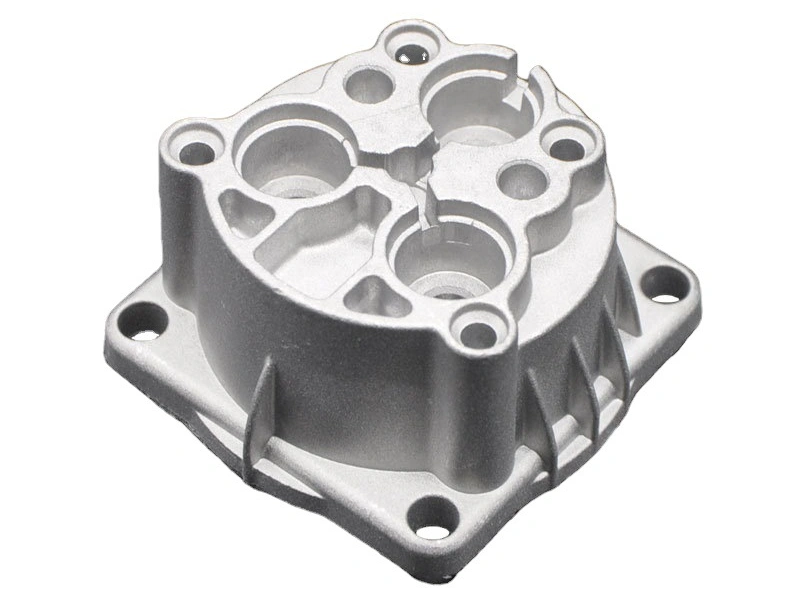
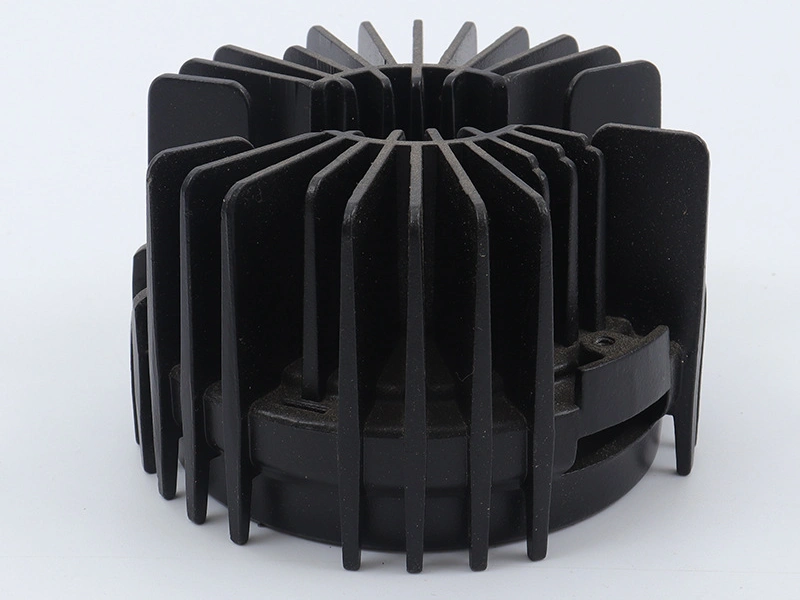
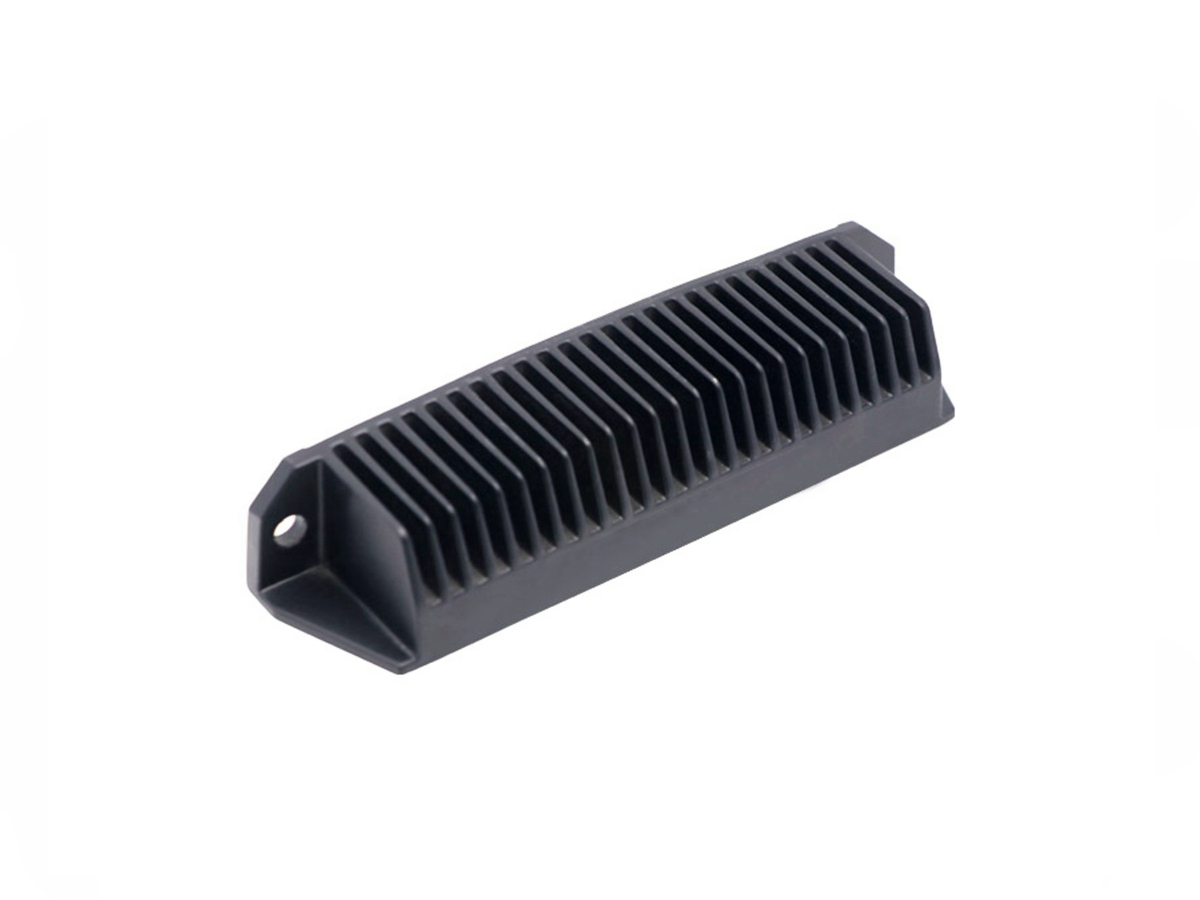
Castable aluminum alloys are selected by matching alloy behavior to casting method, part geometry and finished-part requirements. A380, ADC12 and A413 are common in high pressure aluminum die casting. A356-T6, 356 and 319-style materials are often discussed for sand casting, gravity casting or permanent mold casting. The best choice depends on whether the buyer needs thin walls, pressure tightness, heat treatment, corrosion resistance, structural strength, machining or surface finishing.
Buyers often search this topic when they are not sure whether an aluminum part should be die cast, sand cast, gravity cast or machined. They may have a housing, bracket, cover, pump body, lighting part, heat sink frame or structural casting. The alloy cannot be chosen separately from the process because the same aluminum family can behave very differently in different casting routes.
Neway reviews castable aluminum alloys as part of the complete manufacturing route. An alloy that fills a high pressure die well may not be the right choice for heat-treated structural casting. An alloy that supports heat treatment may not be the most economical choice for thin-wall die casting. The buyer needs a practical material and process decision, not a material list detached from production.
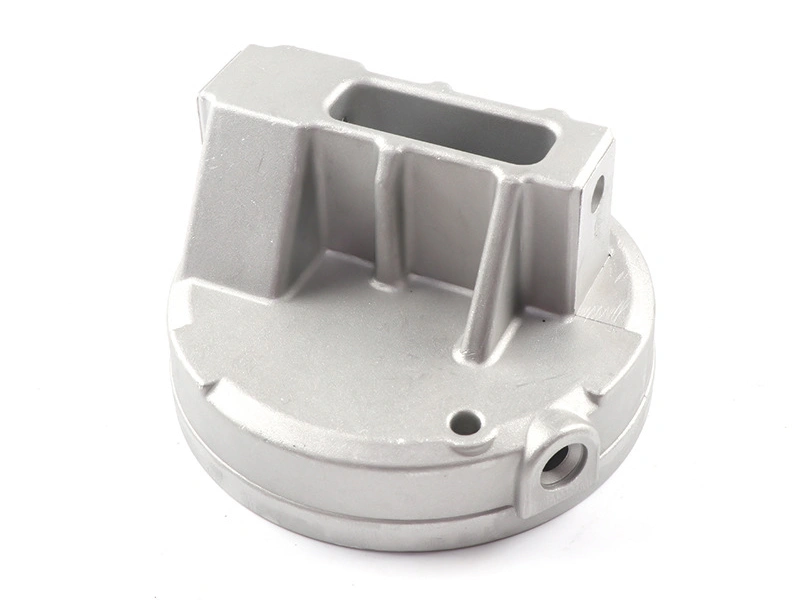
What Makes an Aluminum Alloy Castable?
An aluminum alloy is castable when it can fill the mold or die, solidify with manageable shrinkage, avoid severe hot tearing, produce acceptable surface quality and support the required mechanical and finishing properties. Castability is not one property. It is a combination of fluidity, solidification behavior, feeding ability, die or mold compatibility, chemistry and defect sensitivity.
Silicon is a major castability driver in many aluminum casting alloys because it improves fluidity and helps complex shapes fill more reliably. Copper can improve strength and hardness but may reduce corrosion resistance. Magnesium can support strength and heat-treatment response in alloys such as A356, but the process route must support the alloy. Iron can help reduce die soldering in high pressure die casting but can reduce ductility if poorly controlled. If part function depends on alloy behavior, aluminum die casting alloy options helps separate strength, castability, machining and finish concerns.
Buyers should judge castability by the part. Thin ribs, long flow paths, thick bosses, sharp transitions, deep pockets, cores, sealing faces and cosmetic surfaces all change risk. A highly castable alloy for one housing may not be the best option for a structural bracket or leak-sensitive cover.
Castability Factor | Why It Matters | Buyer Risk if Ignored |
|---|---|---|
Fluidity | Helps fill thin walls, ribs and complex shapes | Short shots, cold shuts and weak edges |
Shrinkage behavior | Affects porosity and dimensional stability | Internal voids or machined pore exposure |
Hot tearing resistance | Matters in constrained shapes and thick-to-thin transitions | Cracks during solidification |
Surface quality | Affects painting, coating, polishing and appearance | Visible defects after finishing |
Heat treatment response | Important for structural casting routes | Wrong strength route or process mismatch |
Matching Castable Aluminum Alloys to Casting Methods
High pressure die casting often uses A380, ADC12, A413 and related alloys because they support fast filling, thin-wall parts and production efficiency. These alloys are common for housings, covers, brackets, motor parts and electronic enclosures. The route works best when the part benefits from tooling, repeat production and local CNC machining of critical features.
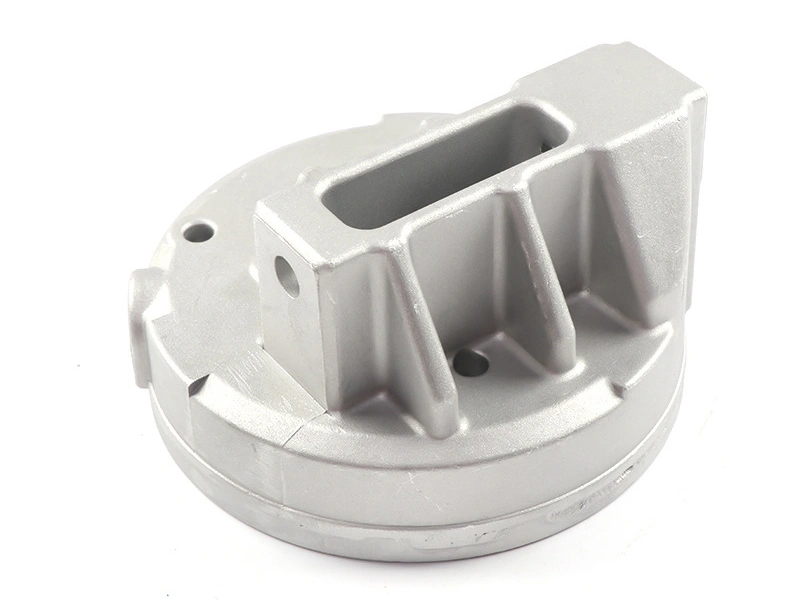
Sand casting and gravity casting may use A356-T6, 356, 319 or related materials when the part is larger, lower-volume, structural or heat-treatment dependent. These routes may support thicker sections, cores and structural requirements but usually require more machining and may have rougher surfaces than high pressure die casting. Permanent mold casting can sit between sand casting and die casting for selected shapes and volumes. When the drawing is still open, A356 aluminum casting direction gives buyers a useful reference for comparing alloy trade-offs before RFQ release.
Casting Method | Common Alloy Direction | Best Fit | Watch Point |
|---|---|---|---|
High pressure die casting | A380, ADC12, A413 | Thin-wall housings, covers, production parts | Porosity, heat treatment limits and finish expectations |
Sand casting | A356-T6, 356, 319 directions | Larger parts, lower volume, cores and structural castings | Machining allowance and surface roughness |
Gravity casting | 356/A356 and related casting alloys | Moderate volume and stronger mechanical direction | Tooling cost and design compatibility |
Permanent mold casting | A356 or selected aluminum casting alloys | Repeatable castings with better mold control | Geometry limits and tooling investment |
A380, ADC12 and A413 for Die Cast Aluminum Parts
A380 is widely used because it balances castability, cost and general performance. It often fits custom aluminum housings, covers, brackets and industrial components. ADC12 is common in many Asian supply chains and may be selected for cost-effective commercial die cast parts when the buyer approves the material equivalent. A413 is often reviewed when stronger fluidity or pressure-tight direction matters, though the full process still controls leak risk. For alloy-sensitive projects, A380 die casting material is a better reference than treating every aluminum or zinc grade as interchangeable.
These alloys work well when the part benefits from high pressure filling and tooling-supported repeatability. They are not automatically ideal for every aluminum casting. Buyers expecting heat treatment or wrought-like decorative anodizing should discuss the route carefully. Die casting alloys can be painted or powder coated effectively, but decorative anodized appearance can be less predictable than wrought aluminum.
For die cast parts, alloy selection should be connected to gate design, venting, wall thickness, machining allowance and inspection. A380, ADC12 or A413 written on the drawing does not by itself control porosity, finish quality or sealing performance.
A356-T6 and Structural Aluminum Casting Routes
A356-T6 is often considered when buyers need heat-treated structural cast aluminum parts. It is more commonly associated with sand casting, gravity casting or permanent mold casting than standard high pressure die casting. It can support strength and ductility requirements when the casting route and heat treatment are properly controlled.
Buyers should consider A356-T6 when the part needs a structural casting route, thicker sections or heat-treatment response. It may not be the best fit for thin-wall high-volume die cast housings where A380 or ADC12 would be more practical. The supplier should review geometry, tooling, heat treatment, machining and inspection before recommending A356-T6.
Structural aluminum castings often need more machining after casting. Datum surfaces, holes, bores, sealing faces and mounting pads should be planned with machining allowance. The drawing should identify which surfaces control assembly or load.
Defects and Risks Linked to Castable Aluminum Alloys
Castable aluminum alloys can still create defects when the alloy, process and design are mismatched. Common risks include porosity, shrinkage, hot tearing, cold shuts, warpage, surface pits, die soldering, flash and poor coating response. Buyers should not treat these defects as random. Each one usually links to material behavior, part geometry, tooling or process control.
Porosity matters most near sealing faces, threaded holes, pressure boundaries and cosmetic surfaces. Shrinkage matters around thick bosses and uneven wall sections. Hot tearing matters where the part is constrained during solidification. Surface pits matter when painting, powder coating or polishing is required. The supplier should identify which defects matter for the specific part.
For production planning, defect limits should be written into sample approval. A hidden internal surface may allow minor texture. A visible front cover may need a stricter standard. A machined sealing face may allow no exposed pores above the agreed limit.
How Volume and Tooling Change Alloy Choice
Production volume changes the way buyers should think about castable aluminum alloys. A low-volume prototype or pilot part may be best served by sand casting or CNC machining even if the future part may become die cast. A high-volume housing may justify high pressure die casting tooling with A380, ADC12 or A413. A moderate-volume structural part may justify permanent mold or gravity casting if the geometry and material goals fit. For alloy-sensitive projects, A360 die casting material is a better reference than treating every aluminum or zinc grade as interchangeable.
Tooling level also matters. Die casting tooling can support repeat production and thin-wall shapes, but it requires design stability. Sand casting patterns are more flexible for early changes and larger parts, but the surface and tolerance may require more machining. Permanent mold tooling may offer better repeatability than sand casting for selected parts, but geometry limits and tooling cost must be reviewed.
Buyers should avoid selecting an alloy without a volume plan. A356-T6 may sound attractive for strength, but it may not be economical or process-compatible for a thin-wall high-volume enclosure. A380 may be economical for die casting, but it may not fit a heat-treated structural casting requirement. Volume, tooling and alloy must be decided together.
Sample Validation for Castable Aluminum Alloys
Sample validation should prove the risks that drove the alloy selection. If A413 was chosen for fluidity or pressure-tight direction, samples should check thin-wall fill, machined sealing surfaces and leak behavior where required. If A356-T6 was chosen for structural performance, samples should confirm heat treatment, machining datums and critical load features. If A380 or ADC12 was chosen for production economics, samples should confirm casting quality, CNC operations and surface finish.
Buyers should request samples in the condition that matters. A raw casting sample may prove filling, but it does not prove powder coating, anodizing appearance, machined threads or flatness. A machined billet sample may prove geometry but cannot prove cast surface, shrinkage or porosity. The validation route should match the manufacturing route being approved.
Alloy Decision | Sample Should Prove | Approval Evidence |
|---|---|---|
A380/ADC12 for HPDC | Filling, tooling marks, machining and coating | Finished die cast sample and inspection report |
A413 for pressure-sensitive direction | Thin-wall filling and leak-related surfaces | Machined sample and pressure check if required |
A356-T6 for structural casting | Heat treatment, strength direction and machining datums | Material record, heat treatment note and dimensional report |
Open alloy recommendation | Supplier comparison of route, cost and risk | Written recommendation with tradeoffs |
Machining and Finishing Considerations
Castable aluminum alloys often require CNC machining after casting. Die cast A380 housings may need tapped holes, gasket faces or datum pads. A356-T6 structural castings may need bores, mounting surfaces and flatness-controlled areas. Machining allowance should be planned before tooling so critical features can clean up reliably. If part function depends on alloy behavior, aluminum alloys used in high pressure die casting helps separate strength, castability, machining and finish concerns.
Finishing also depends on alloy and process. Painting and powder coating can work well on many cast aluminum parts with proper pretreatment and defect standards. Decorative anodizing can be difficult on die cast materials with high silicon content. Buyers should define the finish goal before selecting the alloy and casting route.
Finished samples should include the same material, casting route, machining and finish planned for production. A raw casting cannot approve a coated part. A machined billet sample cannot prove cast surface finishing behavior.
Common Alloy Selection Mistakes
One common mistake is choosing an aluminum alloy because it is familiar without checking whether it fits the casting method. Another is choosing a high-strength material direction while ignoring wall thickness, shrinkage, machining stock and heat treatment. A third is choosing a low-cost die casting material while expecting a premium anodized appearance. These mistakes happen when material selection is separated from manufacturing review.
Buyers should also avoid treating equivalent materials casually. ADC12 may be accepted as an equivalent in many commercial die casting programs, but equivalency should be written in the drawing or purchase approval. If corrosion, pressure tightness or customer standards matter, the supplier should provide a material record and explain any substitution.
Finally, buyers should avoid approving a material from one sample only when the project needs repeat production. A pilot batch can show whether casting quality, machining and finish remain stable across multiple parts. This is especially important for cosmetic surfaces, sealing faces and threaded features. For alloy-sensitive projects, how to choose aluminum grades for casting custom die cast parts is a better reference than treating every aluminum or zinc grade as interchangeable.
Short Example: A356 Bracket vs A380 Housing
A buyer compared materials for two aluminum parts. The first was a structural mounting bracket with thicker sections and load requirements. A356-T6 through a suitable casting route was reviewed because heat-treated structural behavior mattered. The second was a thin-wall electronics housing with bosses, ribs and powder coating. A380-style high pressure die casting was more practical because the part needed thin-wall filling and production efficiency.
The two parts were both aluminum castings, but they needed different alloy logic. The bracket needed heat treatment, machining datum review and load-related inspection. The housing needed flow, tooling, surface finish and local CNC tapping. Treating both parts as "cast aluminum" would have hidden the real decision.
What to Include in a Castable Aluminum Alloy RFQ
An RFQ for castable aluminum alloys should include the 3D model, 2D drawing, intended casting method if known, preferred alloy or property goal, part function, annual volume, batch size, surface finish, heat treatment requirement, machined features, critical dimensions, leak or pressure requirements and inspection needs. If the buyer is open to alloy recommendation, the RFQ should state that clearly.
RFQ Item | Why It Matters |
|---|---|
Casting method | Controls whether A380, ADC12, A413, A356-T6 or another alloy direction fits |
Property goal | Shows whether strength, fluidity, corrosion, pressure tightness or finish matters most |
Machined features | Identifies areas needing allowance and inspection |
Finish requirement | Controls painting, powder coating, anodizing review and cosmetic standards |
Volume | Guides whether die casting, sand casting, gravity casting or permanent mold makes sense |
Critical risks | Defines porosity, shrinkage, leak, load or visual acceptance needs |
Neway can help buyers compare castable aluminum alloys through aluminum die casting, metal casting review, CNC machining, surface finishing and inspection planning. The goal is to choose an alloy and process that can produce the finished part reliably, not simply to choose the most familiar aluminum grade.
Production Release for Castable Aluminum Alloy Selection
After samples are approved, the alloy decision should be locked with a production release record. The record should include the approved alloy, allowed equivalents, casting method, tooling notes, heat treatment if any, machining operations, finish standard, inspection method and open issues. This prevents later orders from drifting away from the approved route.
For repeat orders, the buyer should confirm that the same material direction and casting route are being used. If the supplier proposes a new equivalent alloy, different heat treatment, changed finish or revised inspection level, the change should be reviewed before production. Castable aluminum alloys are only reliable when material control and process control stay connected.
Buyer Release Checklist for Castable Aluminum Alloys
Before releasing production, buyers should confirm the alloy, process route, tooling condition, sample condition, machined features, finish standard and inspection method. If the route uses A380 or ADC12 die casting, the buyer should confirm local machining and coating results. If the route uses A356-T6, the buyer should confirm heat treatment, structural features and dimensional inspection. If an alloy equivalent is allowed, the approval should state the equivalent clearly.
The checklist should also name the unacceptable risks. Examples include exposed pores on sealing faces, uncontrolled hot tearing near load areas, coating defects on visible surfaces, insufficient thread engagement or unapproved alloy substitution. These limits help the supplier control production and help the buyer compare samples consistently.
The final approval should be written, dated and tied to the drawing revision.
FAQ