Custom Aluminum Castings From Drawing to Finished Parts
Custom Aluminum Castings From Drawing to Finished Parts
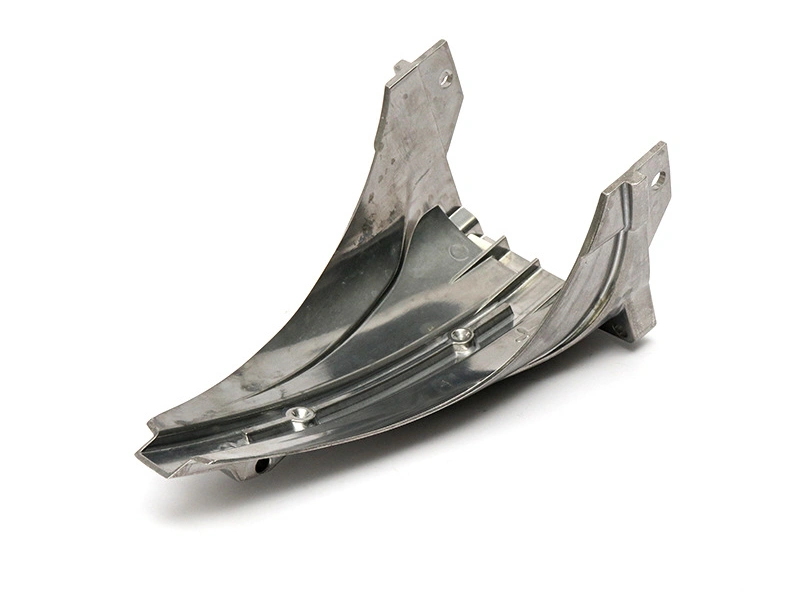
Custom aluminum castings help buyers turn product drawings into metal parts with useful strength, light weight, complex shapes and production scalability. The project may involve die casting, sand casting, gravity casting or a combined route with CNC machining and surface finishing. The right route depends on part geometry, material, quantity, tolerance, cosmetic requirements and the production stage.
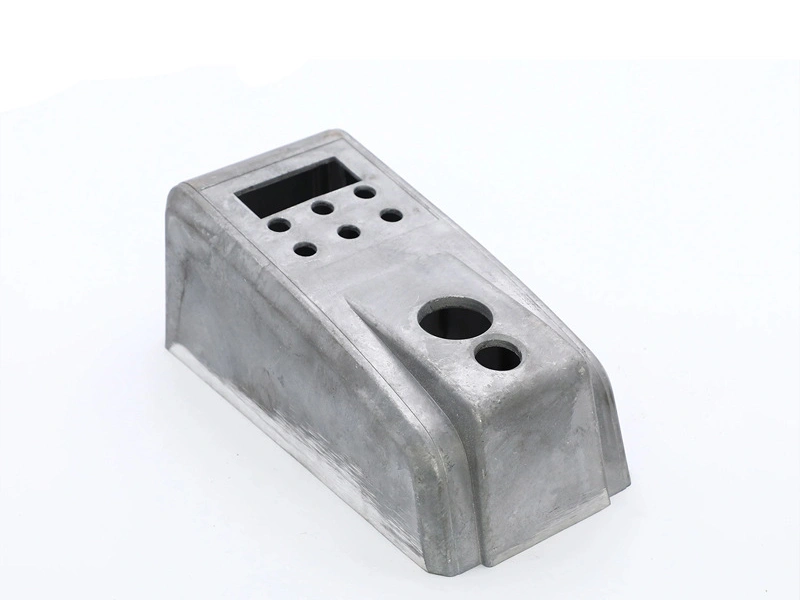
Buyers searching for custom aluminum castings usually need more than a raw casting. They may need aluminum housings, covers, motor parts, lighting bodies, brackets, heat sink frames, pump covers or industrial components that are ready for assembly. The project must connect material selection, DFM, tooling, casting, post machining, finishing and inspection.
Neway reviews custom aluminum castings as finished-part projects. A good casting project starts with the drawing and ends with approved samples, inspection records and repeat production standards. The buyer should know which features are cast, which are machined and which finish or inspection steps are required before production release.
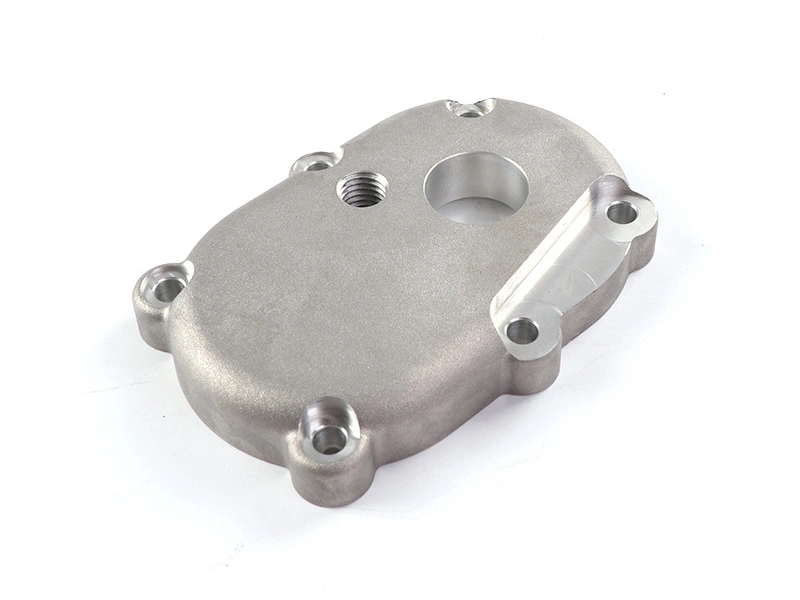
What Custom Aluminum Castings Should Clarify First
The buyer should clarify part function before choosing the route. Is the part a structural bracket, sealed cover, visible housing, heat sink body or low-volume prototype? Does it need corrosion resistance, pressure tightness, tight threads, flat sealing surfaces, coating or anodizing review? These answers guide material and process choice. When the drawing is still open, choosing aluminum grades for casting gives buyers a useful reference for comparing alloy trade-offs before RFQ release.
The buyer should also define production stage. Early samples may use CNC machining or prototype casting. Pilot parts may use low-volume casting or bridge tooling. Production parts may use aluminum die casting with local CNC machining. A custom casting project should not jump to full tooling until design, material and functional requirements are stable.
Project Question | Why It Matters | Buyer Output |
|---|---|---|
What does the part do? | Controls material and route choice | Function notes on drawing |
What quantity is needed? | Controls tooling level | Prototype, pilot or production quantity |
Which features are critical? | Controls machining and inspection | Critical dimensions and datums |
What finish is required? | Controls surface and masking planning | Finish sample standard |
What risk must be proven? | Controls sample validation | Sample approval checklist |
Choosing the Casting Route for Custom Aluminum Parts
Custom aluminum castings may use high pressure die casting, sand casting, gravity casting, permanent mold casting or a staged prototype route. High pressure die casting fits repeat production, thin-wall housings, covers and complex aluminum parts when tooling investment is justified. Sand casting fits larger parts, lower volumes or parts with cores and thicker sections. Gravity or permanent mold casting may fit selected parts where repeatability and mechanical direction matter. For that narrower decision, custom aluminum die casting for stable production parts gives buyers a focused reference before the RFQ is finalized.
The route should be chosen by geometry, material and volume. A thin electronics housing may fit A380 or ADC12 die casting. A structural A356-T6 part may fit sand or gravity casting. A low-volume launch part may use bridge tooling before production tooling. The supplier should explain why the selected route fits the drawing.
Casting Route | Best Buyer Use | Typical Risk to Check | Common Follow-Up Work |
|---|---|---|---|
High pressure aluminum die casting | Thin-wall housings, covers, brackets and repeat production parts | Porosity near thick bosses, gate marks, ejector marks and tooling cost | Thread tapping, datum machining, deburring, painting or powder coating |
Sand casting | Larger custom cast aluminum parts, lower volume, core-heavy shapes and early validation | Rougher surface, wider tolerance, pattern change and machining allowance | Machining of sealing faces, bores, mounting pads and assembly holes |
Gravity or permanent mold casting | Medium-volume parts where structure, finish and repeatability need balance | Less freedom than sand casting and different tooling limits than HPDC | Heat treatment review, local machining and coating or blasting |
CNC from billet for first validation | Fit checks before a casting route is frozen | Material behavior, weight and cost may not represent a real casting | Design update before casting tooling or prototype casting |
A route decision should also consider what the buyer wants to learn from the first order. If the purpose is assembly validation, CNC from billet may be enough for one or two parts. If the purpose is to prove castability, wall thickness, shrinkage, porosity risk or machining allowance, the project needs a casting route even at low quantity. If the purpose is stable cost for thousands of units, the route must include tooling life, cycle time, trim method, machining fixture and inspection frequency. When price differences are hard to explain, how aluminum casting parts balance cost and performance helps separate process cost from masking, inspection and batch handling.
Material Selection for Custom Aluminum Castings
Material selection should match casting method and application. A380 and ADC12 are common for aluminum die cast parts. A360 may be reviewed for corrosion or pressure-related direction. A413 may be reviewed for fluidity or selected pressure-sensitive applications. A356-T6 may be reviewed for structural casting routes that support heat treatment.
The buyer should not specify a material without confirming process compatibility. If the part must be high pressure die cast, A356-T6 may not be the right default. If the part needs heat-treated structural properties, a standard die casting alloy may not be enough. The RFQ should state whether the buyer requires a specific alloy or wants supplier recommendation.
Material Direction | Where It Commonly Fits | Buyer Decision Point |
|---|---|---|
A380 | Common aluminum die cast housings, covers and equipment parts | Useful default when castability, cost and general strength must balance |
ADC12 | Die cast aluminum parts where Asian supply chains or equivalent requirements are common | Confirm equivalent standard, finish expectation and inspection document wording |
A360 | Projects where corrosion direction or pressure-related review matters | Confirm availability, cost and whether the property advantage matters for the actual application |
A413 | Fluidity-sensitive die casting designs and selected pressure-related castings | Check mechanical requirement, machinability and whether porosity control is realistic |
A356-T6 | Sand casting, gravity casting or structural aluminum casting routes with heat treatment | Do not treat it as a direct replacement for HPDC alloys without route review |
For custom aluminum castings, equivalent materials should be handled carefully. If the print names only "aluminum" or "cast aluminum", the supplier should ask for the load condition, environment, surface finish and whether a material certificate is required. If the print names a grade, the buyer should confirm whether substitution is allowed. This avoids a common sourcing problem: one supplier quotes A380, another quotes A356, and the buyer receives prices that are not technically comparable.
DFM Review for Custom Aluminum Castings
DFM review should check wall thickness, draft, radii, ribs, bosses, undercuts, parting line, gate location, ejector marks, machining allowance and cosmetic surfaces. Custom aluminum parts often include features that look acceptable in CAD but create casting or finishing risk. Early review helps prevent tool changes and sample delays.
Buyers should expect specific feedback. A supplier may recommend adding radius to a boss, increasing draft on a wall, moving a cosmetic surface away from ejector marks, machining a hole instead of casting it or adding stock to a sealing face. These changes should protect the part's function while improving manufacturability. For early batches, moving custom aluminum die cast parts from samples to repeat production can keep the trial run focused on geometry, material, machining and finish risks that matter later.
DFM Item | What to Review | Risk if Ignored |
|---|---|---|
Wall thickness transition | Thin-to-thick changes, rib roots and heavy bosses | Shrinkage, porosity, sink marks or weak sections |
Draft and release direction | Side walls, pockets, ribs and internal faces | Tool sticking, drag marks and delayed sample approval |
Parting line and gates | Cosmetic faces, seal areas and assembly surfaces | Visible marks, burr removal cost or finishing rejection |
Machining allowance | Gasket faces, bores, threaded holes and datum pads | Insufficient stock, exposed porosity or tolerance failure |
Undercuts and side features | Slots, windows, snap features and side holes | Slider cost, design compromise or secondary machining |
Visible surfaces | Faces that must be painted, powder coated or shown to end users | Ejector marks, flow marks or inconsistent cosmetic approval |
The most useful DFM comments are specific enough to change the drawing. For example, "add 1.5 mm machining stock on this gasket face" is more useful than "surface needs machining." "Move the gate away from this logo face" is more useful than "appearance risk." Buyers should ask suppliers to separate mandatory changes from optional cost-reduction suggestions, because a custom casting may have functional features that cannot simply be removed for manufacturing convenience.
Machining After Custom Aluminum Casting
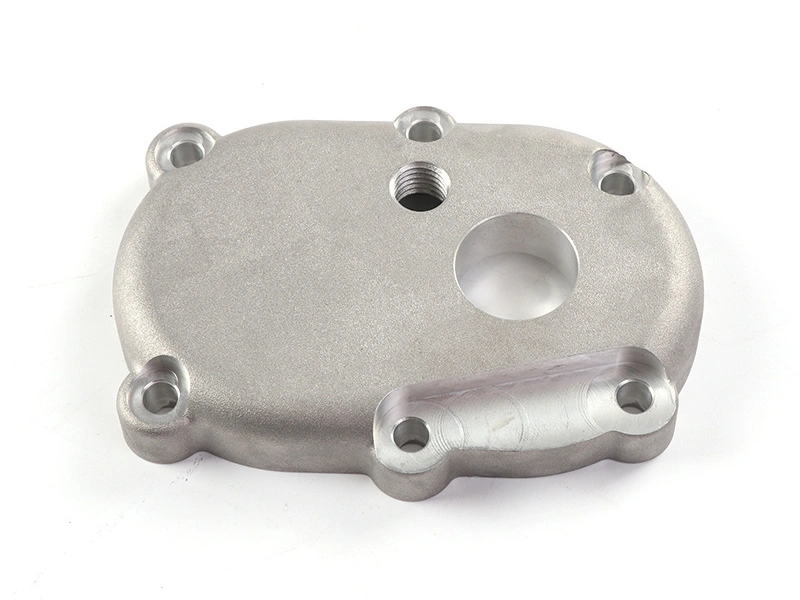
Custom aluminum castings often require CNC machining after casting. Common machined features include threaded holes, bearing bores, sealing faces, mounting pads, datum surfaces and tight slots. The casting route should leave enough material for these features. Machining should be used where it protects fit, sealing, movement or assembly.
Buyers should separate as-cast and machined surfaces on the drawing. Over-machining increases cost. Under-planning critical features creates scrap. A practical custom casting project uses casting for shape and machining for precision.
Feature | Usually Cast or Machined? | Reason |
|---|---|---|
Outer housing shape | Cast | Casting forms the main complex geometry and reduces material waste |
Threaded holes | Machined | Thread depth, pitch, cleanliness and alignment need controlled cutting |
Gasket or sealing face | Machined | Flatness and surface condition control leakage risk |
Non-critical ribs | Cast | Ribs add stiffness without machining every surface |
Bearing bore or locating hole | Machined | Diameter, roundness and datum relationship affect assembly |
Decorative exterior face | Cast plus finish | The surface may need gate planning, blasting, painting or powder coating |
Fixture planning is part of machining planning. A casting can have small dimensional variation from cavity to cavity or batch to batch, so the machining fixture should use stable datums. If the drawing uses a rough as-cast surface as the only datum for a tight bore, the supplier should flag the risk. For repeat orders, fixture records and datum logic are as important as the cutting program itself.
Surface Finishing and Appearance Standards
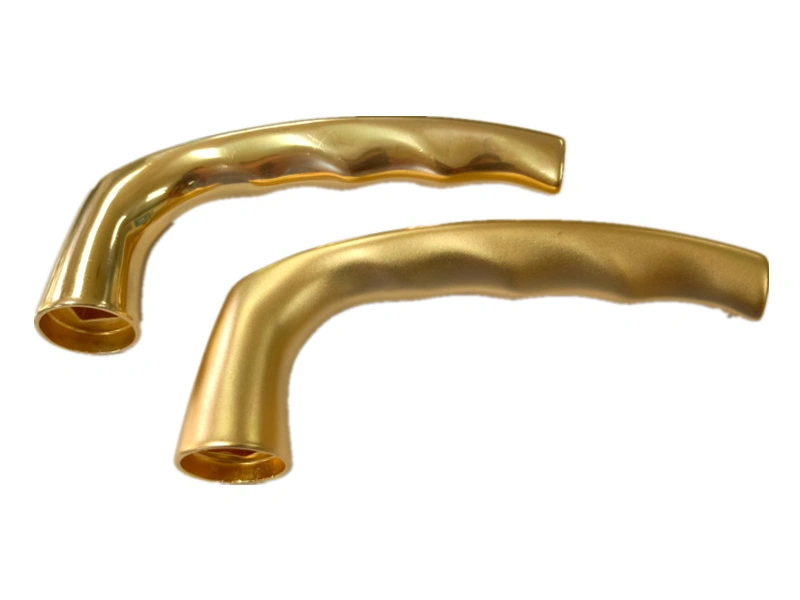
Surface finishing may include deburring, polishing, blasting, painting, powder coating or anodizing review. Custom aluminum castings with visible surfaces need clear cosmetic zones. A hidden rib and a customer-facing cover surface should not use the same visual standard. If coating thickness affects threads or bores, masking must be planned.
Finished samples should be approved before production. A raw casting sample does not approve powder coating, color, gloss, masking or packaging. The buyer should keep the approved finish sample for repeat orders.
Finish Requirement | What Must Be Defined | Custom Aluminum Casting Risk |
|---|---|---|
Deburring | Allowed edge condition, holes and handling surfaces | Sharp flash, assembly interference or inconsistent edge feel |
Sand blasting | Texture, exposed faces and masking areas | Uneven visual texture or changed fit on precision faces |
Powder coating | Color, gloss, thickness, cure condition and masking | Thread buildup, trapped gas, orange peel or coating damage during packing |
Painting | Color sample, defect limit and cosmetic class | Color mismatch, scratches or disagreement over acceptable pores |
Anodizing review | Alloy compatibility, appearance target and functional surfaces | Die cast alloys may show uneven appearance compared with wrought aluminum |
Appearance standards should be realistic for the casting method. A sand cast prototype, a high pressure die cast cover and a machined billet part will not naturally share the same surface. Buyers can avoid conflict by defining A-side and B-side surfaces, acceptable defect size, inspection distance, lighting condition and whether small pores after finishing are allowed on hidden areas. If the project needs a deeper check on this point, avoiding the wrong aluminum casting process can support the quotation review.
Inspection and Production Transfer
Inspection should focus on critical features. CMM may be needed for datums and feature relationships. Thread gauges may be needed for tapped holes. Plug gauges may be useful for bores. Visual standards may be needed for cosmetic surfaces. Leak tests may be needed for sealed or pressure-related parts.
Production transfer should lock drawing revision, material, tooling condition, machining fixture, finish sample, inspection plan and packaging. This helps custom aluminum castings move from sample approval to repeat production without quality drift. For coating-sensitive parts, confirming a custom aluminum die casting project is ready for tooling gives a more specific reference for surface preparation, cosmetic risk and acceptance standards.
Validation Item | Practical Evidence | Why Buyers Need It |
|---|---|---|
Material | Material record or certificate when required | Confirms the casting matches the approved alloy direction |
Dimensions | FAI report, CMM report or critical dimension table | Shows whether machined and as-cast features meet the drawing |
Threads and holes | Thread gauge, plug gauge or functional assembly check | Prevents fastening and assembly failures |
Internal soundness | X-ray review or leak test when the application needs it | Controls pressure, sealing or structural risk |
Surface finish | Approved sample, color record, coating thickness or visual standard | Reduces cosmetic disputes in repeat production |
Packaging | Protection method for coated, machined or visible faces | Prevents finished castings from being damaged after approval |
For Neway, the supplier workflow for custom aluminum castings should link engineering review, casting route selection, tooling or pattern preparation, casting trial, machining fixture validation, finish sample approval and inspection release. The buyer should be able to see how one step feeds the next. If a machined face is critical, it should appear in the DFM notes, fixture logic, sample report and production inspection plan instead of being discovered only after the first batch is late.
Short Example: Custom Aluminum Sensor Housing
A buyer needed a custom aluminum sensor housing with thin ribs, a machined gasket face, four tapped holes and black powder coating. The project started with drawing review and alloy comparison. A die casting route was selected because the housing shape and expected volume justified tooling. CNC machining was reserved for the gasket face and tapped holes.
Samples included casting review, machining report, powder coating sample and assembly fit check. One rib was adjusted for better flow and one masked area was added to protect the gasket face. The buyer approved production after the finished sample matched function, appearance and inspection requirements.
What to Include in a Custom Aluminum Casting RFQ
A custom aluminum casting RFQ should include 3D model, 2D drawing, target material or open recommendation, quantity, annual volume, application environment, critical features, machined areas, surface finish, inspection needs and delivery target. If the buyer needs finished parts, the RFQ should state that machining, finishing and inspection are included in the required scope.
Neway can support custom aluminum castings through aluminum die casting, casting route review, CNC machining, surface finishing and inspection planning. This helps buyers move from drawings to finished parts with a controlled manufacturing route.
RFQ Item | Why It Is Needed for Custom Aluminum Castings | Example Buyer Note |
|---|---|---|
3D model and 2D drawing | Geometry shows the route, while the drawing shows tolerances and critical notes | STEP file plus PDF drawing with revision number |
Target alloy or open recommendation | Prevents non-comparable quotations using different aluminum grades | A380 preferred, equivalent allowed after review |
Production quantity and annual volume | Controls prototype, bridge tooling or production die casting decision | 100 pilot parts, 8,000 annual parts after approval |
Machined features | Defines which faces, bores and holes need CNC after casting | Machine gasket face, four M5 holes and two locating bores |
Finish standard | Controls cosmetic zones, masking, color and handling protection | Black powder coat, mask gasket face and threads |
Inspection requirement | Shows whether CMM, material record, coating check or leak test is needed | FAI for first batch and thread gauge check for every lot |
The best RFQ makes the finished part visible. A quote for a raw casting blank is not the same as a quote for a machined, coated and inspected aluminum component. When buyers define the finished scope at the beginning, suppliers can quote tooling, casting, machining, finishing and quality control as one manufacturing path. That gives the buyer a clearer comparison and reduces the chance of late cost changes after samples are already underway.
FAQ