How to Source Zinc Die Cast Assemblies for Ready-to-Use Product Manufacturing
How to Source Zinc Die Cast Assemblies for Ready-to-Use Product Manufacturing
Zinc die cast assemblies are used when buyers need more than single zinc die cast parts. These projects may require die casting, CNC post-machining, surface finishing, screws, pins, inserts, springs, plastic mating parts, electronic parts, trial assembly, functional testing, and secure packaging before final delivery.
When buyers source zinc die cast assemblies, the main goal is usually ready-to-use product manufacturing. The buyer does not only want a casting blank. They need assembled zinc die cast parts that can fit, move, fasten, protect, look consistent, and enter the final product with lower secondary processing risk.
This article explains how buyers can plan zinc die cast assemblies from material selection, tooling, post-machining, surface finishing, tolerance stack-up, functional testing, secure packaging, and one-stop production support.
What Are Zinc Die Cast Assemblies?
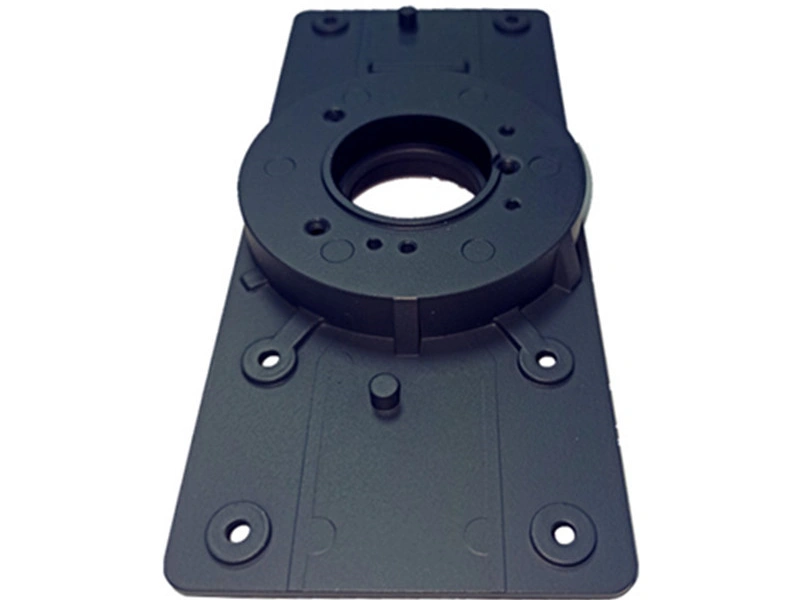
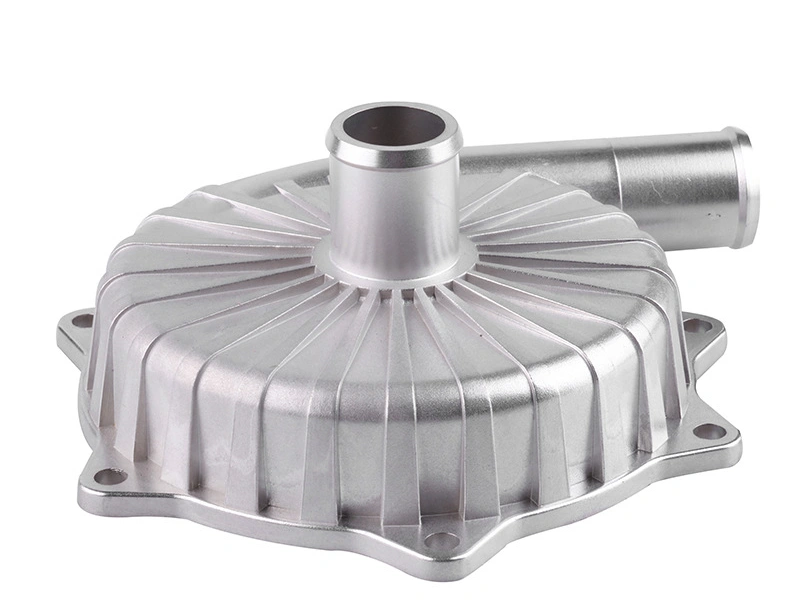
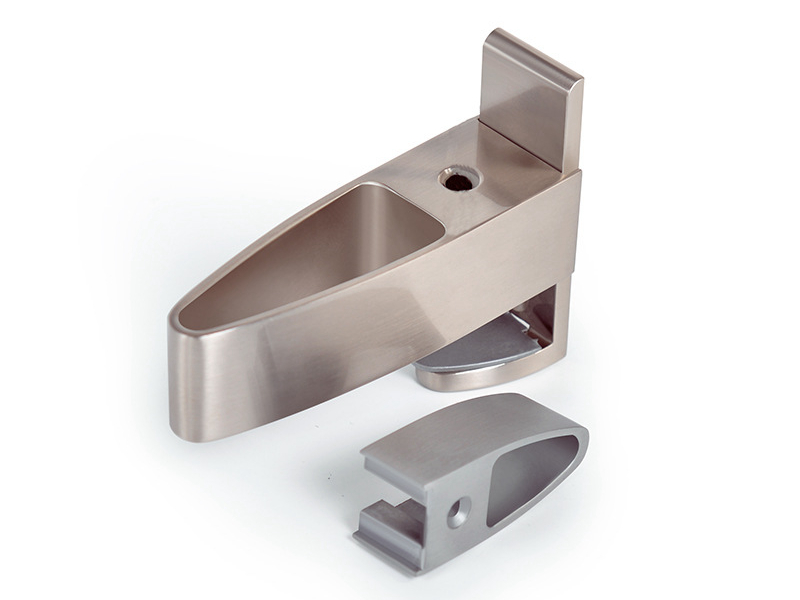
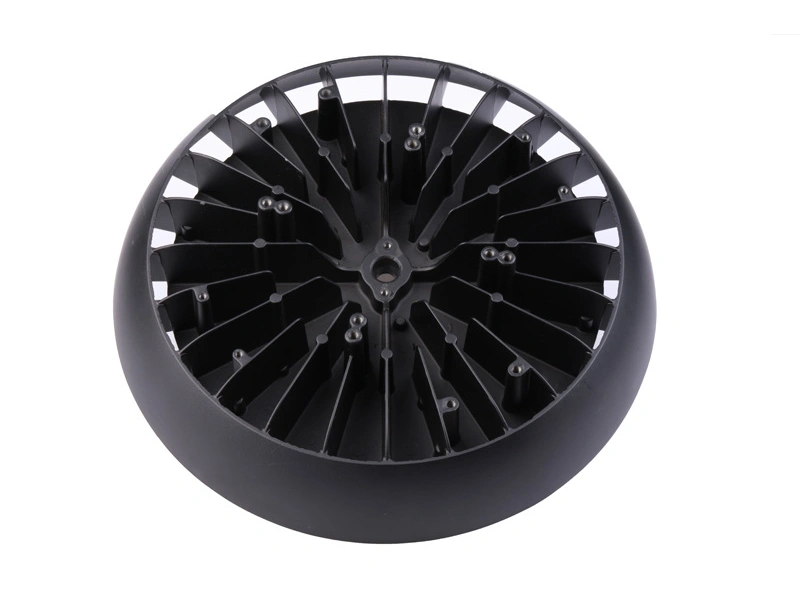
Zinc die cast assemblies are zinc die cast parts that have been further processed, finished, combined, tested, or packaged as functional product components. They may include machined zinc castings, painted zinc parts, coated zinc housings, lock assemblies, hinge assemblies, connector shell assemblies, decorative hardware assemblies, or zinc die cast parts combined with screws, pins, springs, inserts, plastic parts, or steel mating parts.
The difference between a zinc die cast part and a zinc die cast assembly is the delivery state. A single part may only need casting and trimming, while an assembly may need machining, surface treatment, fit testing, torque testing, movement testing, and protected packaging before it can be used.
Assembly Example | Typical Requirement | Manufacturing Focus |
|---|---|---|
Zinc die cast housing with screws | Threaded holes, screw fit, coating protection, and final assembly. | CNC machining, tapping, coating thickness control, and trial assembly. |
Zinc die cast lock assembly | Pin fit, spring movement, wear resistance, and repeat operation. | Post-machining, burr control, movement testing, and functional inspection. |
Zinc die cast hinge assembly | Coaxiality, smooth rotation, pin installation, and durability. | Hinge hole machining, pin fit test, coating control, and batch sampling. |
Zinc die cast connector shell assembly | Insert alignment, shielding, hole position, and mating interface. | Precision machining, dimensional inspection, assembly fit, and packaging. |
Decorative hardware assembly | Visible surface quality, coating consistency, and scratch protection. | Surface finishing, visual inspection, careful assembly, and secure packaging. |
For buyers, zinc die cast assemblies should be planned as functional delivered components, not only as cast metal parts.
Why Buyers Need Zinc Die Cast Assemblies Instead of Single Parts
Single zinc die cast parts may pass dimensional inspection, but that does not always mean they will work well in final products. When screws, pins, coatings, plastic parts, springs, inserts, or mating components are added, new risks appear. These risks include poor fit, coating interference, movement problems, loose fastening, scratches, and inconsistent assembly.
Zinc die cast assemblies help buyers reduce secondary processing and supply chain coordination. Instead of managing separate casting, machining, finishing, assembly, testing, and packaging suppliers, buyers can work with an integrated manufacturer that controls the full process.
Buyer Need | Single Zinc Die Cast Part Limitation | Zinc Die Cast Assembly Value |
|---|---|---|
Ready-to-use delivery | The buyer still needs to find machining, finishing, or assembly suppliers. | The supplier delivers usable components with required assembly steps completed. |
Assembly fit | A single part can pass inspection but still fail when combined with other parts. | Trial assembly verifies real fit before delivery. |
Functional performance | Single-part dimensions may not confirm complete product function. | Functional testing confirms movement, fastening, or fit performance. |
Surface protection | Finished surfaces can be scratched during later assembly or transport. | Finishing, assembly, handling, and packaging are planned together. |
Supply chain reduction | Multiple suppliers can create responsibility gaps and lead time conflicts. | One-stop manufacturing reduces communication and coordination risk. |
Repeat production | Batch assembly consistency can be hard to control across suppliers. | Assembly standards, testing procedures, and inspection records support repeat orders. |
For OEM and product manufacturing projects, the assembly stage often decides whether a zinc die cast part can become a reliable finished component.
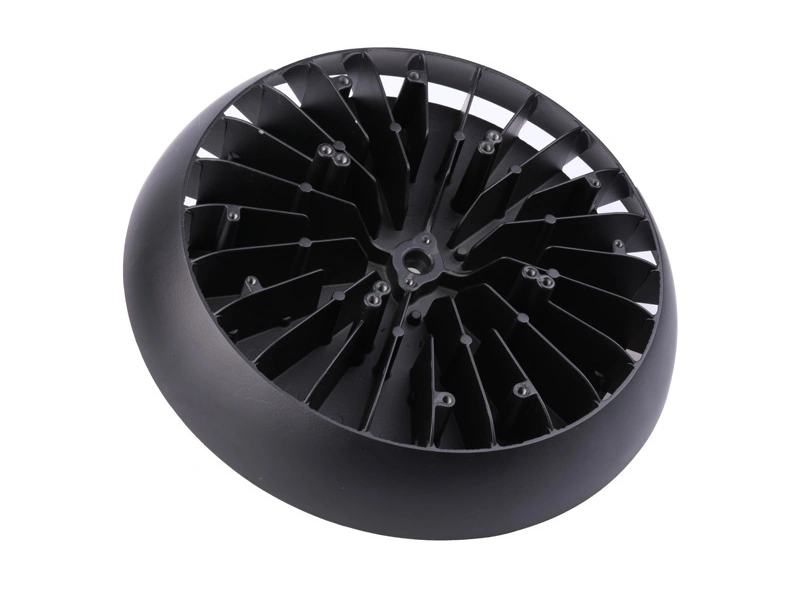
Common Types of Zinc Die Cast Assemblies
Zinc die cast assemblies are used across hardware, electronics, consumer products, decorative products, security products, and small mechanical systems. Different assembly types have different quality priorities, so buyers should define the final application before confirming tooling, machining, finishing, and inspection requirements.
Assembly Type | Common Application | Planning Focus |
|---|---|---|
Lock assemblies | Locks, cylinders, security hardware, locking mechanisms. | Hole position, springs, pins, wear resistance, burr control, and movement testing. |
Hinge assemblies | Consumer products, electronics, hardware, covers, and moving structures. | Coaxiality, rotation clearance, coating thickness, and hinge pin fit. |
Handle assemblies | Furniture, automotive products, tools, equipment, and consumer goods. | Appearance, fastening strength, hand feel, wear resistance, and coating durability. |
Connector shell assemblies | Electronics, electrical products, connector systems, shielding components. | Insert location, shielding, sealing, hole position, and mating fit. |
Decorative hardware assemblies | Caps, trims, fashion hardware, visible product details. | Appearance, decorative coating, surface protection, and packaging quality. |
Device housing assemblies | Shaver shells, covers, small casings, control housings. | Painting, screw fit, clips, surface quality, and assembly testing. |
Because assemblies combine multiple features and parts, they should not be planned using only ordinary die casting standards. Buyers should define assembly function, fit, finishing, testing, and delivery state early.
How Assembly Requirements Affect Zinc Die Casting Design
Assembly requirements should influence zinc die casting design from the beginning. If the part will be combined with screws, pins, shafts, springs, plastic parts, seals, inserts, or electronic components, the casting design must support those interfaces.
Buyers should define assembly holes, threaded areas, datum surfaces, hinge holes, coated surfaces, visible faces, burr-sensitive edges, and packaging requirements before tooling starts. This helps the supplier plan casting geometry, machining allowance, finishing sequence, and assembly testing correctly.
Assembly Requirement | Design Impact | Manufacturing Support |
|---|---|---|
Screw fastening | Thread depth, boss strength, hole position, and screw clearance must be defined. | CNC machining, tapping, thread gauge inspection, and torque check. |
Pin or shaft fitting | Hole diameter, coaxiality, and contact surfaces affect movement and fit. | Post-machining, pin fit test, CMM inspection, and functional sampling. |
Spring or moving parts | Clearance, burr control, wear areas, and contact surfaces affect smooth operation. | Deburring, trial assembly, movement test, and surface review. |
Plastic mating parts | Tolerances, clips, coated surfaces, and assembly pressure affect final fit. | Design review, tolerance check, assembly fixture, and fit validation. |
Coated surfaces | Coating thickness can reduce clearance or create interference. | Finish thickness control, masking, and post-finishing inspection. |
Visible assembly face | Tooling marks, fixture contact, scratches, and packaging damage may affect appearance. | Tooling control, finishing control, protected assembly, and secure packaging. |
For assembly-ready zinc die cast components, design review should connect die casting, CNC machining for zinc die cast assemblies, surface finishing, inspection, and packaging in one plan.
Material Selection for Zinc Die Cast Assemblies
Material selection for zinc die cast assemblies should consider the complete assembly, not only the single casting. The selected zinc alloy should support assembly fit, movement, fastening, hand feel, surface treatment, wear behavior, and long-term production consistency.
Common zinc alloys for die cast assemblies include Zamak 3, Zamak 5, Zamak 7, ZA-8, and other zinc alloy options depending on the application.
Assembly Requirement | Zinc Alloy Direction | Why It Matters |
|---|---|---|
General assembly parts | Good dimensional stability and balanced performance for common assembled zinc parts. | |
Higher strength hardware | Useful for locks, handles, hardware, and small load-related assemblies. | |
Thin-wall or detailed assemblies | Supports complex details, thin-wall features, and appearance-sensitive assembled parts. | |
Wear-related moving assemblies | Can be evaluated for selected movement, contact, or wear-related applications. | |
Premium cosmetic assemblies | Zamak 3 or Zamak 7 | Should be reviewed with surface finishing, visible faces, and packaging requirements. |
The best alloy choice depends on how the assembly will be used. A decorative assembly, moving assembly, lock assembly, and connector shell assembly may require different material and finishing strategies.
Tooling Planning for Zinc Die Cast Assemblies
Tooling planning affects how zinc die cast assemblies fit, look, move, and repeat in production. The mold controls parting lines, gate locations, ejector marks, venting, cavity consistency, flash, burrs, and dimensional stability. These factors all affect downstream machining and assembly.
A reliable tooling for zinc die cast assemblies plan should protect assembly faces, visible faces, functional holes, and post-machining areas.
Tooling Factor | Assembly Impact |
|---|---|
Parting line | May affect mating edges, visible surfaces, trimming, and assembly fit. |
Ejector mark | May affect cosmetic faces, contact surfaces, or assembly interfaces. |
Gate location | May affect post-machining, surface finishing, and assembly areas. |
Venting | Affects porosity, short fill, surface quality, and strength around functional areas. |
Multi-cavity control | Affects batch assembly consistency and cavity-to-cavity fit variation. |
Mold maintenance | Affects flash, hole position, burr risk, dimensional drift, and repeat assembly quality. |
When tool durability and repeat production stability are important, suitable materials such as H13 mold steel for zinc die casting may be considered for die casting tooling.
Post-Machining Before Zinc Die Cast Assembly
Post-machining is often the foundation of reliable zinc die cast assemblies. Although zinc die casting can produce good detail and stable shapes, assembly-critical features often need tighter control than as-cast surfaces can provide.
Before assembly, buyers should identify threaded holes, locating holes, hinge holes, contact faces, insert areas, datum surfaces, sealing surfaces, and mating areas that need machining, deburring, and inspection.
Machined Feature | Assembly Purpose | Control Method |
|---|---|---|
Threaded hole | Supports screw connection and fastening reliability. | Tapping, thread gauge check, torque check, and burr removal. |
Locating hole | Controls assembly position and part alignment. | CNC machining, CMM inspection for zinc die cast assemblies, and fixture check. |
Hinge hole | Supports smooth movement and pin fit. | Post-machining, pin fit test, movement test, and sampling inspection. |
Contact face | Supports stable fit, sealing, sliding, or mating. | Flatness check, surface inspection, and functional validation. |
Insert area | Supports insert stability and pull strength. | Fit check, pull check, and assembly verification. |
Datum surface | Provides an assembly and inspection reference. | Fixture inspection, CMM check, and assembly checklist control. |
For assembly fit and functional reliability, post-machining for zinc die cast assemblies and CNC post-machining for assembly fit should be planned before tooling and trial production.
Surface Finishing Before or After Assembly
Surface finishing has a direct effect on zinc die cast assemblies. Finishing may be done before assembly, after partial assembly, or with masking depending on the product structure. The sequence must be planned early because coating thickness, paint protection, polishing, burr removal, and assembly handling can all affect the final component.
Common finishing options include painting, powder coating, decorative coating, wear-resistant coating, anti-corrosion coating, tumbling, sand blasting, and polishing. For assemblies, the question is not only how the part looks, but whether the finished part can still assemble and function correctly.
Surface Finishing Issue | Assembly Impact | Planning Method |
|---|---|---|
Coating thickness | Can reduce hole size, change clearance, or create interference. | Reserve assembly clearance, measure coating thickness, and use masking if needed. |
Painted surface | Can be scratched during assembly if handling is not controlled. | Use protected assembly fixtures, handling rules, and visual inspection. |
Powder coating buildup | Can affect threads, clips, contact areas, or mating features. | Review masking, post-machining sequence, and fit after coating. |
Decorative coating | High cosmetic value can be lost through scratches or inconsistent handling. | Use approved samples, controlled assembly, and careful packaging. |
Tumbling or deburring | Removes burrs that may interfere with assembly. | Control edge condition before assembly and inspect critical areas. |
Anti-corrosion coating | Affects long-term use in outdoor or humid environments. | Select coating based on environment and confirm protection after assembly. |
Neway can support related finishing processes such as surface finishing for assembled zinc die cast parts, painting for zinc die cast assemblies, powder coating for zinc die cast assemblies, tumbling for zinc die cast parts before assembly, and decorative coatings for zinc die cast assemblies.
Tolerance Stack-Up in Zinc Die Cast Assemblies
Tolerance stack-up is one of the most important issues in zinc die cast assemblies. A single part may meet its own dimensional requirement, but the final assembly can still fail when casting tolerance, CNC tolerance, coating thickness, fastener tolerance, plastic mating part tolerance, and burrs combine.
Buyers should define critical assembly datums, fit areas, coating limits, and functional test methods early. Trial assembly and fixture checks can help confirm whether multiple parts work together before mass production.
Tolerance Source | Assembly Risk | Control Method |
|---|---|---|
Casting tolerance | Initial size variation can affect downstream fit and machining allowance. | DFM review, process control, tooling maintenance, and sample inspection. |
CNC tolerance | Hole position, datum face, or mating feature variation can affect assembly. | CMM inspection, fixture inspection, and process sampling. |
Coating thickness | Clearance may become smaller after painting, powder coating, or decorative coating. | Finish thickness control, masking, and post-finish fit validation. |
Fastener tolerance | Screws, pins, springs, or inserts may create unstable fastening or movement. | Gauge inspection, fit check, pull check, and torque test. |
Mating part tolerance | Plastic, steel, electronic, or sealing parts may create alignment problems. | Trial assembly, mating sample review, and assembly fixture testing. |
Burrs and edges | Burrs may cause interference, jamming, scratches, or unstable assembly. | Deburring, tumbling, edge inspection, and assembly checklist control. |
For zinc die cast assemblies, quality control should verify the assembled function, not only individual part dimensions. This is why assembly fit inspection should be part of the production plan.
Functional Testing for Zinc Die Cast Assemblies
Functional testing confirms whether zinc die cast assemblies work in their final use condition. Since assemblies combine casting, machining, finishing, fasteners, inserts, and mating parts, testing should match the actual application.
Common tests include trial assembly, thread gauge test, movement test, fit test, pull test, torque test, coating adhesion check, visual inspection, packaging check, and batch sampling.
Test Type | Suitable Assembly | Purpose |
|---|---|---|
Trial assembly | Multi-part zinc die cast assemblies. | Confirm actual fit, clearance, interference, and assembly sequence. |
Thread gauge test | Screw assembly parts and threaded zinc die cast components. | Confirm fastening reliability and thread consistency. |
Movement test | Hinge assemblies, lock assemblies, levers, and moving zinc parts. | Confirm smooth movement, clearance, and no jamming. |
Pull or torque test | Insert assemblies, fastened components, and load-related parts. | Confirm connection strength and assembly durability. |
Visual inspection | Decorative hardware assemblies and visible product components. | Control surface quality, color, coating, scratches, and cosmetic acceptance. |
Packaging check | Finished zinc die cast assemblies ready for delivery. | Prevent transport damage, loose movement, scratches, and mixed batches. |
For assembly-ready products, zinc die casting assembly service should include practical testing that reflects the final product environment.
Packaging for Ready-to-Use Zinc Die Cast Assemblies
Packaging is part of quality control for ready-to-use zinc die cast assemblies. Once the parts are machined, coated, assembled, and tested, poor packaging can still cause scratches, coating damage, loose movement, thread damage, deformation, or mixed batches.
Assembly-ready packaging should protect both appearance and function. For production-line use, packaging may also need clear labeling, batch separation, and easy handling for the customer’s operators.
Packaging Requirement | Why It Matters for Assemblies |
|---|---|
Separated cavities | Prevents assembled parts from rubbing, scratching, or damaging each other. |
Surface protection | Protects painted, coated, polished, decorative, or visible surfaces. |
Movement protection | Prevents hinges, locks, pins, springs, or moving parts from being damaged during transport. |
Thread protection | Prevents threaded holes, screw areas, or precision holes from impact damage. |
Batch labeling | Supports traceability, warehouse control, and repeat production management. |
Ready-to-use packing | Helps customers use assemblies directly in their production line with less sorting. |
For finished assemblies, custom assembly and secure packaging helps protect the value created by casting, machining, finishing, and assembly.
How One-Stop Zinc Die Casting and Assembly Service Reduces Risk
A one-stop zinc die casting and assembly service can reduce project risk by connecting zinc alloy selection, tool and die making, die casting, CNC machining, post-machining, surface finishing, assembly, testing, inspection, secure packaging, and mass production into one coordinated workflow.
This is especially useful when buyers need ready-to-use zinc die cast assemblies, because separate suppliers can create responsibility gaps between casting, machining, coating, assembly, inspection, and packaging.
Separate Supply Chain Risk | One-Stop Service Advantage |
|---|---|
Casting supplier and assembly supplier responsibility is unclear. | One supplier coordinates manufacturing, assembly, testing, and delivery. |
Surface finishing creates poor assembly fit. | Finishing thickness and assembly clearance are planned together. |
Post-machining dimensions create disputes. | CNC machining and assembly testing are controlled in one workflow. |
Appearance parts are damaged during transport. | Packaging standards are planned before finished assemblies are shipped. |
Mass production batches are unstable. | Production records, inspection plans, assembly checks, and traceability are connected. |
Neway can support metal casting hardware assembly service, finished product assembly service, and assembling service for die castings. For long-term projects, mass production zinc die cast assemblies and a one-stop zinc die casting and assembly service can help buyers reduce sourcing risk.
Summary
Zinc die cast assemblies are suitable when buyers need more than individual zinc castings. They are useful for lock assemblies, hinge assemblies, connector shell assemblies, handle assemblies, decorative hardware assemblies, device housing assemblies, and other ready-to-use product components.
To source zinc die cast assemblies successfully, buyers should plan assembly requirements before tooling, select suitable zinc alloys, define post-machining features, control surface finishing sequence, manage tolerance stack-up, perform functional testing, and confirm secure packaging before mass production.
Planning Area | Key Buyer Question | Recommended Action |
|---|---|---|
Assembly requirement | What must the zinc die cast assembly do in the final product? | Define fastening, movement, mating, visible surfaces, inserts, springs, pins, and packaging needs. |
Material | Which zinc alloy supports the assembly requirement? | Evaluate Zamak 3, Zamak 5, Zamak 7, ZA-8, or other zinc alloy options based on function. |
Tooling | Can the mold support assembly-critical features? | Review parting line, ejector marks, gate location, venting, multi-cavity control, and mold maintenance. |
Post-machining | Which features need tighter control before assembly? | Define threaded holes, locating holes, hinge holes, contact faces, insert areas, and datum surfaces. |
Surface finishing | Will coating or finishing affect assembly fit? | Plan coating thickness, masking, finishing sequence, burr removal, and protected handling. |
Tolerance stack-up | Can all parts fit together after casting, machining, finishing, and assembly? | Use datums, fixture checks, CMM inspection, trial assembly, and tolerance review. |
Testing and packaging | Can the finished assembly be delivered ready for use? | Use functional testing, visual inspection, packaging checks, batch labeling, and secure packaging. |
FAQ
What Should Buyers Confirm Before Ordering Zinc Die Cast Assemblies?
How Do Tolerances and Coating Thickness Affect Zinc Die Cast Assembly Fit?
Which Zinc Die Cast Parts Usually Need Post-Machining Before Assembly?
How Should Functional Testing Be Planned for Zinc Die Cast Assemblies?
How Can One-Stop Zinc Die Casting and Assembly Reduce Production Risk?