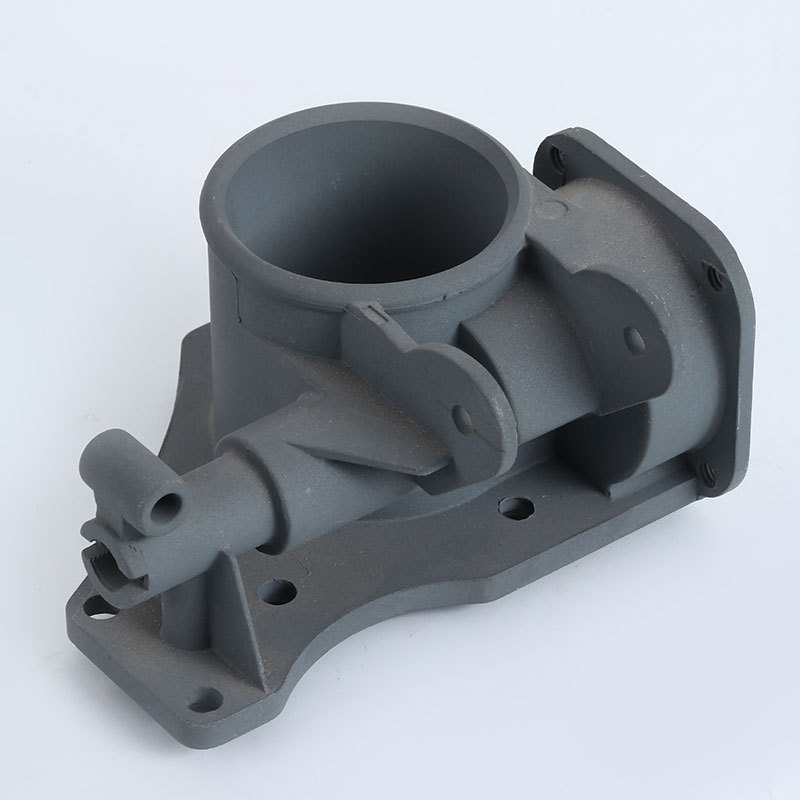
Beneficios de la fundición a presión de zinc Zamak: costo y durabilidad
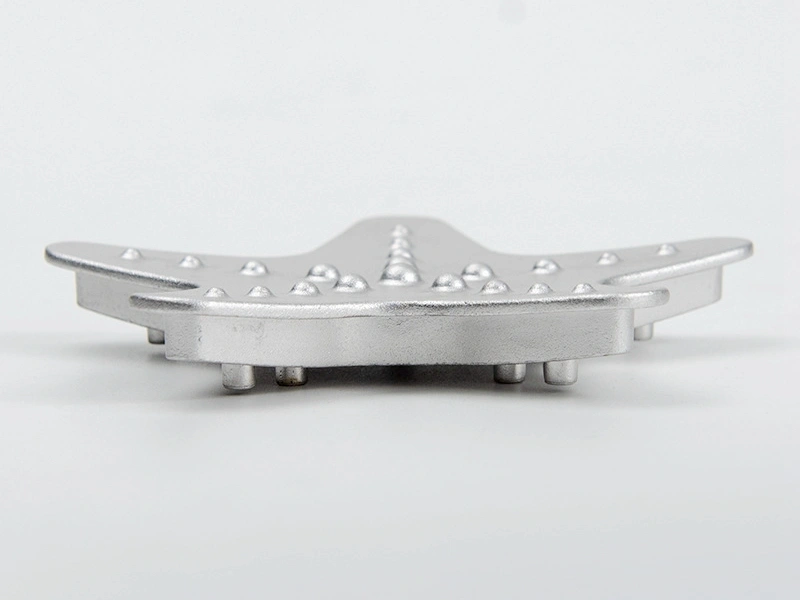
Introducción: Más allá de los límites de la fabricación tradicional
En el competitivo panorama manufacturero actual, elegir el proceso de producción adecuado a menudo determina el éxito o el fracaso de un producto. Como ingeniero de fundición a presión en Newway, mis años de experiencia han demostrado que la fundición a presión de aleación de zinc, con su combinación única de ventajas, se está convirtiendo en la solución preferida por un número creciente de líderes de la industria. Este proceso no solo destaca en un aspecto, sino que también logra un excelente equilibrio en cuatro dimensiones críticas: control de costos, precisión dimensional, libertad de diseño y durabilidad del producto, proporcionando un sólido soporte técnico para llevar los productos del concepto al mercado.
Excelente eficiencia de costos
La composición de un bajo costo unitario
Las ventajas de costo de la fundición a presión de aleación de zinc provienen de múltiples factores. En primer lugar, la aleación de zinc como materia prima es económicamente atractiva, con precios de mercado relativamente estables que respaldan una presupuestación predecible del proyecto. Más importante aún, el proceso es especialmente adecuado para la producción en masa, con tiempos de ciclo típicos medidos en apenas decenas de segundos. Esta alta productividad reduce significativamente el costo unitario a medida que aumenta el volumen. En escenarios reales de producción, a menudo observamos una tendencia interesante: a medida que crece la cantidad de producción, el costo por pieza disminuye de manera sustancial.
Vida útil del molde y costo total de propiedad
En comparación con otros procesos de fundición a presión de metales, las aleaciones de zinc operan a temperaturas más bajas (aproximadamente 380–420°C), lo que reduce en gran medida el choque térmico sobre los moldes. Como resultado, los moldes de fundición a presión diseñados profesionalmente pueden alcanzar una vida útil significativamente más larga, a menudo superando un millón de ciclos. Una vida útil prolongada del molde reduce directamente el costo amortizado del molde por pieza, optimizando el costo total de propiedad a nivel de proyecto. Este beneficio económico a largo plazo hace que la fundición a presión de aleación de zinc sea una opción ideal para programas de gran volumen.
Precisión dimensional excepcional y tolerancias ajustadas
¿Qué tolerancias se pueden lograr?
En la fabricación de precisión, la exactitud dimensional es una métrica clave de la capacidad del proceso. La fundición a presión de aleación de zinc destaca en este aspecto, logrando típicamente tolerancias dentro de ±0,05 mm, e incluso más estrictas para características críticas. Este nivel de precisión permite que muchas piezas fundidas a presión se utilicen directamente en ensamblajes de precisión sin requerir mecanizado adicional ni ajustes.
La estabilidad y la consistencia son críticas
Más allá de la precisión inicial, la estabilidad del proceso es igual de importante. Bajo nuestras condiciones de producción estrictamente controladas, la fundición a presión de aleación de zinc garantiza una alta consistencia dimensional en grandes tiradas de producción. Esta estabilidad reduce significativamente los problemas durante el ensamblaje y mejora la calidad y fiabilidad del producto final. Al aplicar Control Estadístico de Procesos (SPC), monitoreamos continuamente el estado de la producción en tiempo real para asegurar que cada lote de piezas cumpla con los estándares de calidad definidos.
Menor mecanizado secundario y ahorro de costos
La alta precisión “tal como se funde” se traduce directamente en menos mecanizado secundario. Para muchas piezas de aleación de zinc fundidas a presión, las dimensiones clave y la calidad superficial ya cumplen los requisitos de uso final, eliminando la necesidad de un costoso mecanizado CNC. Esto no solo reduce los costos de mecanizado, sino que también acorta los plazos de entrega y mejora la eficiencia general. En algunos proyectos, solo esta ventaja ha reducido el costo total de fabricación en más del 30%.
Capacidad inigualable para geometrías complejas
Fluidez de colada sobresaliente
Una de las características más notables de las aleaciones Zamak es su excelente fluidez. Esto permite que el zinc fundido llene completamente cada rincón de la cavidad del molde, reproduciendo con precisión incluso las geometrías más complejas e intrincadas. En la práctica, podemos producir piezas con texturas finas, bordes afilados y estructuras internas complejas, características que a menudo son difíciles o muy costosas de lograr con procesos alternativos.
Fundición de pared delgada y aligeramiento
La fundición a presión de aleación de zinc admite diseños de pared delgada, con espesores mínimos de pared de 0,5 mm o menos. Esta capacidad ofrece beneficios dobles: lograr estructuras livianas manteniendo una resistencia suficiente y mejorar el desempeño térmico cuando sea necesario. En el sector de electrónica de consumo, esta capacidad es especialmente valiosa, ya que permite cumplir objetivos estrictos de peso sin comprometer los requisitos estéticos y estructurales.
Integración funcional y consolidación de piezas
Con servicios profesionales de diseño de fundición a presión, podemos integrar funciones que originalmente requerían múltiples componentes en una sola pieza fundida a presión de zinc. Este enfoque de diseño integrado simplifica el ensamblaje, reduce el número de piezas y mejora la robustez y fiabilidad generales del producto. En nuestra experiencia de proyectos, una consolidación inteligente de piezas ha permitido a los clientes reducir el número de componentes en un 30%–50%, disminuyendo significativamente la complejidad de la cadena de suministro y la carga de gestión.
Excelente durabilidad y propiedades mecánicas
Alta resistencia, dureza y resistencia al desgaste
Las aleaciones de zinc—especialmente Zamak 5—ofrecen propiedades mecánicas impresionantes. Con una resistencia a la tracción de hasta aproximadamente 358 MPa y una dureza Brinell de alrededor de 82 HB, las piezas fundidas a presión de aleación de zinc pueden soportar cargas sustanciales y desgaste. Esta durabilidad es particularmente importante para aplicaciones que implican operación frecuente o estrés mecánico continuo, como equipos industriales y componentes de herramientas.
Buena resistencia al impacto y a la fluencia
Además de la resistencia estática, las aleaciones de zinc exhiben una resistencia al impacto fiable, lo que les permite soportar cargas dinámicas sin fallas frágiles. Su excelente resistencia a la fluencia asegura que las piezas mantengan la estabilidad dimensional a largo plazo, sin deformación gradual bajo tensión sostenida. Estas propiedades hacen que las piezas fundidas a presión de aleación de zinc sean adecuadas para productos que exigen fiabilidad a largo plazo.
Excelente acabado superficial y resistencia a la corrosión
Las aleaciones de zinc proporcionan de forma inherente un cierto grado de resistencia a la corrosión, que puede mejorarse aún más mediante un postprocesado adecuado. Por ejemplo, la galvanoplastia ofrece una fuerte protección contra la corrosión y una apariencia metálica premium, mientras que la pintura puede lograr objetivos tanto estéticos como de protección ambiental. Estas opciones de acabado se utilizan ampliamente en productos de consumo de alta gama, asegurando que las piezas se mantengan visualmente atractivas mientras resisten la exposición ambiental y el uso a largo plazo.
Ventajas combinadas: crear valor mediante la sinergia
Un caso real de beneficios sinérgicos
Ilustremos esta sinergia con un ejemplo concreto. Una vez fabricamos un componente estructural complejo para un fabricante de equipos industriales. La pieza necesitaba integrar múltiples funciones mientras soportaba cargas operativas significativas. Usando fundición a presión de aleación de zinc, formamos todas las características complejas en un solo disparo, cumplimos requisitos estrictos de tolerancia y aseguramos suficiente resistencia mecánica mediante un diseño optimizado. El resultado no solo satisfizo todos los criterios técnicos, sino que también mantuvo el costo total de fabricación dentro del 70% del objetivo presupuestario original.
Valor entregado en múltiples industrias
En el sector automotriz, las piezas fundidas a presión de aleación de zinc se utilizan para producir componentes duraderos de sistemas de cierre que deben soportar miles o incluso decenas de miles de ciclos de operación. En la industria de herrajes, manijas de puertas, bisagras y productos similares se benefician de la durabilidad del zinc y su apariencia atractiva. En la industria electrónica, conectores de precisión y carcasas de blindaje aprovechan la exactitud dimensional y las propiedades de apantallamiento electromagnético de la aleación de zinc. Cada industria puede encontrar su propia propuesta de valor en la combinación única de ventajas que ofrece la fundición a presión de aleación de zinc.
Elija Newway para maximizar los beneficios de la fundición a presión de aleación de zinc
En Newway, estamos comprometidos con la innovación continua y la optimización de la tecnología de fundición a presión de aleación de zinc. Nuestro equipo de ingeniería entiende a fondo la interacción entre las características del material y los parámetros del proceso, lo que nos permite ofrecer las soluciones más adecuadas según los requisitos específicos de cada cliente. A través de nuestro modelo integral de servicio integral, los clientes reciben soporte de extremo a extremo—desde la optimización del diseño y la fabricación de moldes hasta la producción en masa y el aseguramiento de la calidad. Creemos que el verdadero valor no reside solo en producir piezas, sino en aprovechar nuestra experiencia para ayudar a los clientes a mejorar su competitividad global del producto.
Conclusión: una elección inteligente – fundición a presión de aleación de zinc
En general, la fundición a presión de aleación de zinc destaca como una solución ideal para muchas aplicaciones gracias a sus fortalezas combinadas en eficiencia de costos, precisión dimensional, capacidad para geometrías complejas y durabilidad del producto. Para organizaciones que buscan alta calidad y bajo costo, ofrece un camino convincente y práctico. Animamos a diseñadores e ingenieros a considerar la fundición a presión de aleación de zinc desde las primeras etapas del desarrollo del producto y a colaborar estrechamente con socios de fabricación profesionales para liberar plenamente el potencial de esta tecnología avanzada y crear productos con mayor competitividad en el mercado.
Preguntas frecuentes (FAQ)