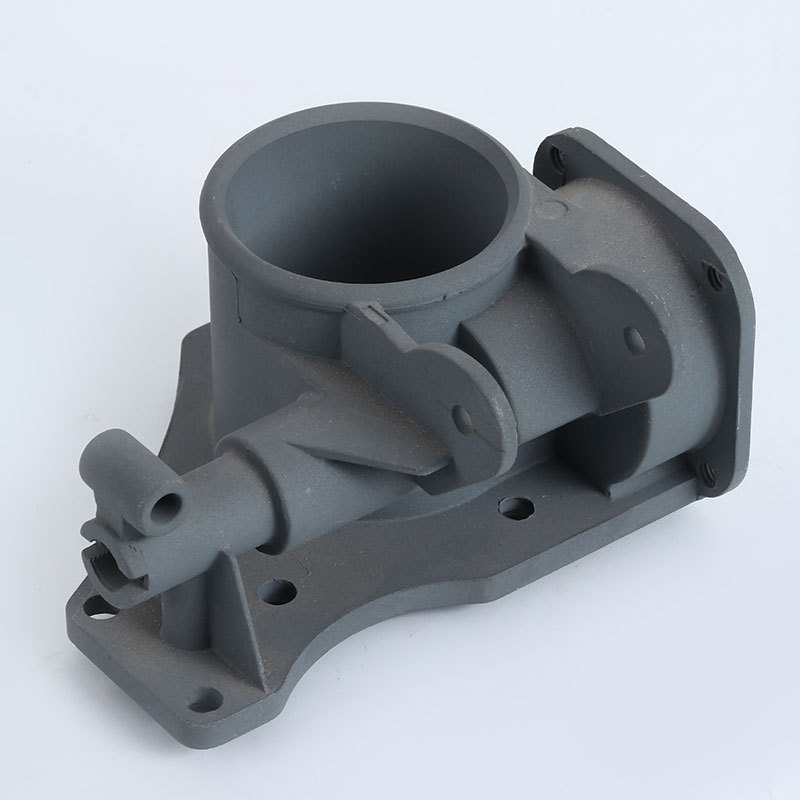
Beneficios del prototipado mediante fundición de uretano

Por qué la fundición de uretano sigue siendo un método clave de prototipado
Como ingeniero en Neway, con frecuencia asesoro a clientes que necesitan prototipos funcionales rápidamente, sin recurrir a herramentales costosos ni esperar semanas por piezas mecanizadas. La fundición de uretano ha demostrado de forma consistente ser uno de los métodos más eficientes y versátiles para el prototipado. El uso de moldes de silicona y materiales de poliuretano que simulan plásticos de producción permite a los equipos evaluar geometría, ensamblaje, ergonomía y desempeño desde etapas tempranas, mucho antes de comprometerse con moldes de inyección de alto costo o herramentales de fundición a presión.
La fundición de uretano es ideal cuando la velocidad es prioritaria y cuando los materiales del prototipo deben asemejarse estrechamente al comportamiento final de producción. Admite formas complejas, durezas variables, acabados transparentes o coloreados, e incluso estructuras sobremoldeadas. Esta combinación de rapidez, asequibilidad y versatilidad convierte a la fundición de uretano en una solución preferida para industrias que requieren iteración rápida, como electrónica de consumo, interiores automotrices, carcasas de dispositivos médicos y equipos industriales.
Entrega rápida habilitada por patrones maestros digitales
El primer gran beneficio de la fundición de uretano reside en la velocidad con la que pueden producirse los moldes de silicona. La fabricación tradicional de moldes requiere mecanizado CNC, pulido, ajuste y pruebas de herramentales metálicos, un cronograma demasiado lento para los ciclos tempranos de desarrollo. En Neway, construimos patrones maestros utilizando métodos digitales avanzados.
Para geometrías altamente complejas u orgánicas, imprimimos el maestro mediante impresión 3D. Esto permite preservar la geometría original del cliente sin forzar ajustes de diseño para acomodar limitaciones de mecanizado. Cuando se requieren tolerancias estrechas o superficies extremadamente lisas, mecanizamos el maestro utilizando mecanizado CNC, proporcionando alta precisión donde se necesita.
Esta combinación de fabricación aditiva y sustractiva nos brinda la flexibilidad de seleccionar el método más adecuado según la geometría, los requisitos de superficie y el cronograma. Una vez listo, el maestro se convierte en la plantilla para un molde de silicona que captura fielmente cada detalle.
Geometría compleja simplificada
Los moldes de silicona son sumamente eficaces para manejar diseños que serían difíciles o imposibles de crear con herramentales metálicos. Su flexibilidad permite liberar socavados, canales profundos, cavidades cerradas o características integradas sin necesidad de correderas, núcleos o mecanismos mecánicos costosos.
Para clientes que evalúan conceptos tempranos, como flujos de trabajo de prototipado rápido o planifican transiciones a materiales de producción como aleaciones de aluminio o aleaciones de zinc, la fundición de uretano ofrece una forma rápida de validar la intención estructural y geométrica. Si el producto finalmente requiere propiedades metálicas, posteriormente podemos apoyar la transición a aleaciones fundidas, como las utilizadas en aleaciones de cobre-latón.
Debido a que los moldes de silicona se adaptan al maestro, la fundición de uretano permite a los diseñadores conservar sus ideas creativas sin sacrificar funcionalidad por restricciones del herramental. Esto la hace especialmente atractiva para diseños ergonómicos o componentes estéticos de múltiples superficies.
Ideal para prototipos multimaterial y de múltiples durometrías
Una de las ventajas más atractivas de la fundición de uretano es la capacidad de simular una amplia gama de plásticos y elastómeros. Las formulaciones de poliuretano pueden imitar la flexibilidad de ABS, PC, PP, nylon o suavidad tipo goma, así como las propiedades de alto impacto de los plásticos. Esto permite realizar pruebas funcionales reales sin necesidad de muestras moldeadas por inyección.
Los equipos pueden: • construir carcasas rígidas para evaluar resistencia mecánica • colar juntas flexibles o componentes de agarre • combinar superficies soft-touch sobre núcleos rígidos • crear características de doble durometría en un mismo conjunto
Esta versatilidad abre la puerta a simulaciones realistas de sobremoldeo plástico o diseños con insertos. Los procesos de colada multi-etapa pueden reproducir interfaces complejas mucho antes de construir el herramental de producción, dando tiempo a los diseñadores para refinar puntos de fijación, sensación táctil y ergonomía.
Al transitar hacia la fabricación a gran escala, nuestros ingenieros revisan consideraciones de herramental de producción utilizando guías similares a las referenciadas en materiales para herramental para asegurar que el comportamiento del prototipo se alinee con la manufacturabilidad a largo plazo.
Herramental de bajo costo con alto retorno de inversión
En comparación con moldes de aluminio o acero mecanizados, los moldes de silicona son significativamente más económicos y rápidos de producir. Para el desarrollo en etapas tempranas, este enfoque minimiza la exposición financiera y permite múltiples iteraciones de diseño sin incurrir en costos de herramental.
Los equipos que exploran formas destinadas a procesos de fundición, incluidas geometrías tempranas probadas mediante fundición en arena, suelen apoyarse en la fundición de uretano desde el inicio para refinar la geometría antes de comprometerse con herramentales más pesados.
Dado que los moldes de uretano suelen soportar entre 15 y 30 coladas, son ideales para construcciones de verificación de diseño, muestras para inversionistas, pruebas con usuarios o producción piloto de bajo volumen. La vida útil limitada de las herramientas de silicona rara vez es un problema en prototipado; por el contrario, se convierte en una ventaja al permitir el remoldeado económico cada vez que surgen revisiones.
Superficies de calidad de producción directamente desde el herramental de silicona
Otro beneficio que muchos equipos pasan por alto es la calidad superficial alcanzable mediante la fundición de uretano. Dado que los moldes de silicona capturan detalles extremadamente finos, las texturas, niveles de brillo y geometría se transfieren limpiamente desde el maestro. Cuando las piezas requieren un refinamiento adicional, aplicamos métodos de mecanizado o pulido similares al posmecanizado de piezas fundidas para cumplir estándares dimensionales o cosméticos.
Para prototipos que sirven como referencia antes de construir herramentales de inyección o fundición a presión, extendemos técnicas de acabado similares a las implementadas en postproceso para piezas fundidas a presión. Los clientes suelen utilizar estas piezas de uretano refinadas para fotografía, estudios ergonómicos o validación temprana en campo, apreciando lo cerca que se asemejan a las propiedades de los plásticos de producción.
Ideal para múltiples industrias y aplicaciones
La adaptabilidad de la fundición de uretano la hace valiosa en industrias con ciclos de desarrollo rápidos o geometrías exigentes.
Los equipos automotrices confían en prototipos de uretano para paneles interiores, clips, carcasas y piezas de acabado, similares a las fases tempranas de componentes automotrices. Estos prototipos ayudan a los ingenieros a validar ajuste y calidad superficial antes de escalar.
Los desarrolladores de electrónica de consumo se benefician de fundiciones de uretano que igualan la estética refinada observada en proyectos como hardware de electrónica de consumo. La capacidad de simular texturas, colores y respuestas táctiles precisas es crucial para evaluar la experiencia del usuario.
Equipos industriales, robótica y dispositivos portátiles también utilizan ampliamente la fundición de uretano para validar factores funcionales y ergonómicos.
Cuando los clientes requieren una revisión de ingeniería más profunda o una ruta clara hacia la producción en masa, colaboran con nuestro equipo de servicio de diseño e ingeniería. Esto asegura que cada prototipo se alinee con la escalabilidad y los requisitos de desempeño a largo plazo.
Ciclos de desarrollo más rápidos y menor riesgo del proyecto
En última instancia, la fundición de uretano ayuda a los equipos a alcanzar hitos críticos del proyecto con mayor rapidez y a menor costo. Dado que los prototipos pueden producirse en cuestión de días, las iteraciones de diseño avanzan rápidamente sin la sobrecarga del mecanizado o la inversión en herramental.
Esta velocidad se traduce en: • validación más rápida • pruebas con usuarios más realistas • costos de revisión reducidos • detección temprana de problemas de diseño • transición más fluida al moldeo por inyección o fundición a presión
Al combinar creación rápida de moldes, flexibilidad multimaterial, excelente calidad superficial y herramental de bajo costo, la fundición de uretano sigue siendo uno de los métodos de prototipado más eficientes y prácticos disponibles.
FAQs
¿Qué tipos de prototipos se benefician más de la fundición de uretano?
¿Cómo la flexibilidad del molde de silicona soporta geometrías complejas?
¿Puede la fundición de uretano simular múltiples materiales o ensamblajes de doble durometría?
¿Cómo los prototipos de uretano apoyan la transición hacia el herramental de producción en masa?