
Fundición en arena rápida: prototipos ágiles y entrega rápida
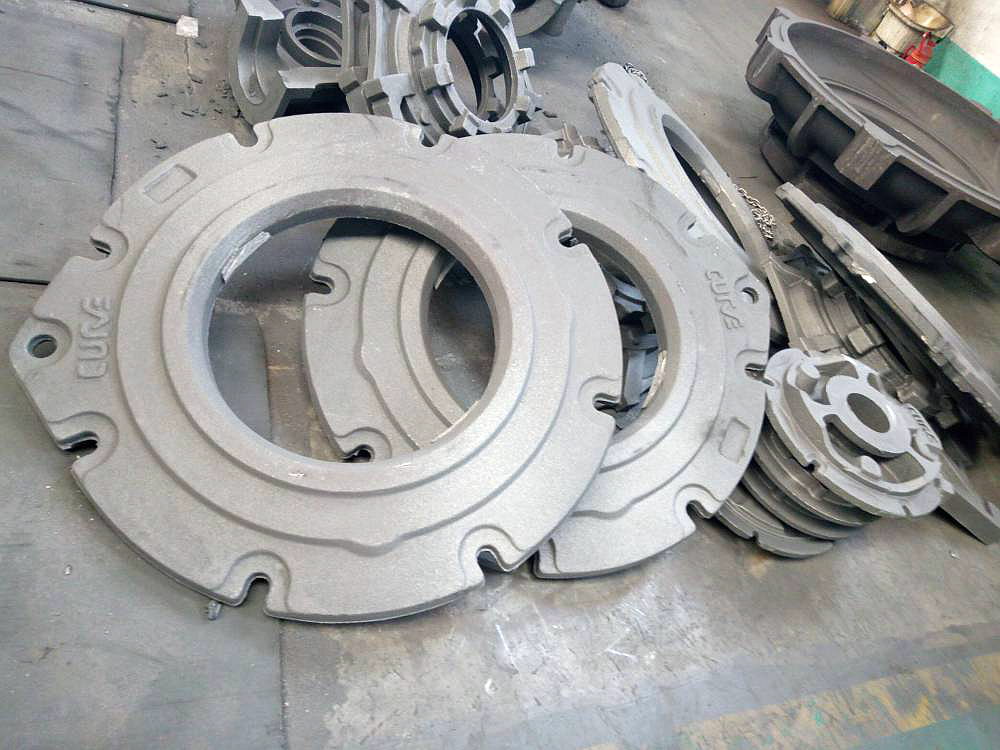
Por qué la fundición rápida en arena es importante para el desarrollo moderno de productos
Como ingeniero en Neway, trabajo con clientes que constantemente exigen ciclos de desarrollo más cortos y datos de validación más tempranos. Muchos programas—como piezas automotrices, carcasas de sistemas de energía, componentes de herramientas eléctricas o hardware de consumo—simplemente no pueden esperar cronogramas largos de herramental o iteraciones costosas de moldes. Ahí es donde la fundición rápida en arena se vuelve invaluable.
El proceso ofrece una ruta altamente eficiente para producir prototipos metálicos funcionales sin comprometerse con herramentales de grado producción. Los ingenieros pueden evaluar la geometría real, probar la resistencia mecánica y validar el ajuste de ensamble mucho antes de que comience la producción en masa. Para desarrollo en etapa temprana, producción puente o corridas piloto, la fundición rápida en arena combina velocidad con manufacturabilidad práctica de una forma que pocos procesos pueden igualar.
Al crear moldes rápidamente y usar materiales ampliamente disponibles, la fundición rápida en arena reduce el tiempo entre el “congelamiento” del diseño y la entrega de la pieza. Cuando se combina con simulación digital y preparación ágil de herramental, se convierte en un enfoque ideal para equipos que buscan prototipos metálicos rápidos y rentables.
Cómo la fundición rápida en arena reduce el tiempo y el costo de herramental
La fundición tradicional a menudo implica moldes de acero complejos que pueden tardar semanas en mecanizarse, pulirse, ajustarse y verificarse. En programas con plazos ajustados, esto es un gran cuello de botella. La fundición rápida en arena elimina la mayor parte del esfuerzo convencional de fabricación de moldes al usar arena compactada como material del molde.
Debido a que los moldes de arena son más fáciles y rápidos de preparar, el plazo total se reduce de forma drástica. Esto es especialmente beneficioso cuando el objetivo es producir prototipos funcionales que imiten el desempeño de futuras piezas fundidas a presión o mecanizadas. A diferencia de los moldes permanentes, los moldes de arena permiten cambios rápidos y requieren ajustes mínimos cuando ocurren revisiones de diseño.
Para piezas destinadas a futura producción de fundición en arena o fundición a presión, la fundición rápida en arena funciona como un paso de validación de bajo riesgo. En comparación con el herramental permanente, la diferencia de costo es significativa, lo que permite mejorar de manera iterativa sin presión financiera.
Los ingenieros a menudo combinan la fundición rápida en arena con opciones de prototipado inicial como el prototipado rápido o incluso modelado conceptual manual. En conjunto, estos métodos ayudan a refinar la geometría mientras se avanza hacia componentes metálicos funcionales rápidamente.
Flexibilidad de materiales y desempeño de ingeniería
La fundición rápida en arena admite muchos materiales en los que los ingenieros confían al validar la integridad de prototipos funcionales. Las aleaciones de aluminio, por ejemplo, se usan ampliamente debido a su favorable relación resistencia-peso y sus propiedades térmicas. Al evaluar alternativas de aluminio, los clientes con frecuencia consultan aleaciones de aluminio para orientarse sobre resistencia, resistencia a la corrosión y comportamiento de colada.
Para componentes que requieren mayor dureza o resistencia al desgaste, materiales a base de zinc o cobre pueden ser adecuados. En estos casos, consultar categorías como aleaciones de zinc aporta información sobre desempeño específico por aleación, mientras que aleaciones cobre-latón ofrecen opciones para conductividad, estabilidad estructural y aplicaciones a temperatura elevada.
Ciertos proyectos de prototipo, especialmente los que evalúan vida del molde o desempeño de transferencia térmica, pueden involucrar acero o materiales especiales de herramental. Revisar los materiales para herramental disponibles ayuda a determinar si la fundición rápida en arena es la ruta adecuada o si el proyecto debería transicionar a herramentales prototipo mecanizados por CNC.
Debido a que la fundición en arena es compatible con una amplia gama de aleaciones, se convierte en un proceso muy adaptable para evaluaciones tempranas de ingeniería. Los clientes pueden probar propiedades mecánicas, comportamiento de expansión térmica, objetivos de peso y manufacturabilidad antes de comprometer inversiones de producción a largo plazo.
Velocidad y eficiencia en el flujo de prototipo a producción
La fundición rápida en arena destaca en proyectos donde los cronogramas son ajustados y los ciclos de diseño son fluidos. La preparación del molde es simple y repetible, lo que significa que las piezas pueden producirse en días en lugar de semanas. Para clientes que pasan de datos CAD a prototipos metálicos totalmente funcionales, este ahorro de tiempo puede ser la diferencia entre cumplir o perder hitos del programa.
El herramental ligero y el ciclo de producción más corto también facilitan refinar diseños, realizar pruebas de ajuste y función, y validar requisitos mecánicos. Para ciertas aplicaciones, como carcasas, bastidores y soportes, el proceso ofrece un equilibrio entre velocidad y confiabilidad estructural.
La fundición rápida en arena suele combinarse con flujos de fabricación digital. Por ejemplo, los equipos de desarrollo pueden prototipar geometría temprana con impresión 3D para validar formas iniciales, y luego pasar a fundición metálica en arena cuando se requiere prueba funcional. Este enfoque por etapas respalda tanto la iteración rápida como la entrega oportuna de piezas plenamente funcionales.
Mientras tanto, si un programa requiere modelos tipo caucho o plástico antes de iniciar la fundición metálica, la fundición de uretano ofrece otra ruta rápida para la verificación de diseño, en particular cuando se necesita evaluación estética o pruebas ergonómicas.
En conjunto, la fundición rápida en arena acorta el camino entre la validación del concepto y la preparación para preproducción, convirtiéndose en una herramienta esencial para equipos modernos de desarrollo de hardware.
Consideraciones de postprocesado y aseguramiento de calidad
Aunque la fundición rápida en arena ofrece moldes rápidos y herramental económico, las superficies resultantes a menudo requieren mecanizado o acabado para cumplir con tolerancias y requisitos cosméticos. Esto es especialmente cierto en características de acoplamiento, superficies portantes o componentes que requieren alta precisión.
Para estos casos, el posmecanizado de piezas fundidas se aplica comúnmente. El mecanizado asegura consistencia dimensional y calidad superficial, permitiendo que prototipos fundidos en arena cumplan con estándares de pruebas funcionales.
Cuando se necesita acabado adicional—como granallado, desbaste o correcciones superficiales—los equipos pueden consultar opciones como postproceso para fundición a presión para orientar los tratamientos posteriores apropiados. Aunque está diseñado principalmente para productos de fundición a presión, estos principios de postproceso a menudo también aplican a prototipos fundidos en arena.
La inspección y la medición aseguran que los prototipos cumplan la intención del diseño. Revisiones dimensionales, pruebas de material y evaluaciones superficiales permiten confirmar que los prototipos se comportan como se espera bajo cargas reales. Debido a que el proceso introduce naturalmente cierta variabilidad en comparación con la fundición en molde permanente, una evaluación exhaustiva ayuda a garantizar el desempeño durante la fabricación piloto.
Industrias que se benefician de la fundición rápida en arena
Muchas industrias recurren a la fundición rápida en arena porque equilibra libertad de diseño, entrega rápida y desempeño funcional. El hardware automotriz, por ejemplo, suele usar prototipos fundidos en arena para validar geometría de carcasas, soportes de motor o componentes térmicos. Las empresas que buscan validación temprana en estas áreas con frecuencia colaboran con socios con experiencia en componentes automotrices para acelerar los plazos del programa.
En desarrollo aeroespacial, los equipos evalúan rigidez estructural, peso y resistencia térmica. La fundición rápida en arena respalda estas pruebas tempranas de ingeniería, por lo que es útil para sistemas prototipo relacionados con desarrollo de piezas aeroespaciales o equipos de alto desempeño.
Los programas de electrónica de consumo a menudo requieren ciclos de iteración rápidos para carcasas o elementos estructurales metálicos. La fundición rápida puede complementar diseños mecánicos en etapa temprana, mientras que casos como hardware de electrónica de consumo ilustran cómo la producción veloz de prototipos ayuda a mantener cronogramas agresivos de desarrollo.
En todas las industrias, los beneficios comunes incluyen: • acceso rápido a prototipos metálicos • inversión mínima en herramental • comportamiento mecánico confiable • transición fluida hacia herramental y producción futuros
Estas ventajas hacen de la fundición rápida en arena un puente eficiente entre el concepto y la fabricación final.
Fundición rápida en arena vs. otros métodos de prototipado rápido
Elegir el método de prototipado correcto depende de la complejidad, las expectativas de precisión y los requisitos de desempeño del material. Para geometría muy intrincada con canales internos o estructuras orgánicas, la impresión 3D puede seguir siendo la opción más rápida y rentable. Sin embargo, cuando los equipos de ingeniería requieren piezas metálicas que reflejen con precisión el comportamiento real de la fundición—o cuando el tamaño y la masa superan los límites de la fabricación aditiva—la fundición rápida en arena se convierte en la ruta preferida.
En comparación con modelos de uretano o polímero, los prototipos fundidos en arena aportan propiedades mecánicas realistas para pruebas estructurales. Al combinarse con procesos secundarios como el mecanizado CNC, las piezas fundidas en arena pueden alcanzar las tolerancias finales requeridas para ensamble, haciéndolas adecuadas para pruebas funcionales rigurosas.
En programas con plazos urgentes, la fundición rápida en arena se elige con frecuencia porque su ciclo de herramental es predecible, su rango de materiales es amplio y su estructura de costos escala favorablemente con lotes pequeños y medianos.
Cómo elegir el socio adecuado para proyectos de fundición de alta velocidad
Un socio de fabricación capacitado juega un papel central para maximizar los beneficios de la fundición rápida en arena. El soporte de ingeniería—como Diseño para Manufacturabilidad (DFM), selección de aleaciones y planeación de producción—ayuda a asegurar que los prototipos cumplan requisitos funcionales y de calendario. Los equipos que desarrollan conceptos tempranos a menudo aprovechan servicios de diseño e ingeniería para refinar la geometría antes de construir cualquier herramental.
Capacidades como preparación automatizada de moldes, colada multi-aleación, mecanizado de precisión e inspección ayudan a asegurar consistencia entre lotes de prototipos. La velocidad de respuesta importa tanto como la experiencia técnica. Un socio confiable garantiza que las piezas se entreguen a tiempo sin comprometer la integridad del material ni la exactitud dimensional.
Desde muestras tempranas de I+D hasta corridas piloto, la fundición rápida en arena brinda una base poderosa para equipos que buscan avanzar rápido y con confianza hacia la fabricación a escala completa.
FAQs
¿Qué hace que la fundición rápida en arena sea más rápida que la fundición tradicional?
¿Qué materiales pueden usarse para prototipos de fundición rápida en arena?
¿Qué nivel de precisión dimensional pueden esperar los ingenieros de la fundición en arena?
¿Con qué rapidez pueden entregarse prototipos de fundición rápida en arena?
