
Del hierro a los metales duros: fundición en arena con máxima versatilidad
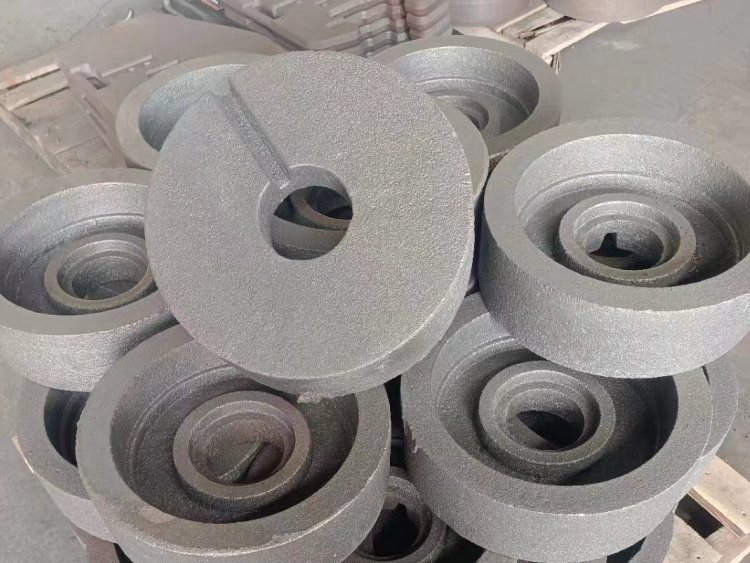
Por qué la fundición en arena ofrece la mayor flexibilidad de materiales
Como ingeniero en Neway, he trabajado con casi todos los procesos de fundición disponibles, incluida la fundición a presión de alta presión, la fundición a la cera perdida, la fundición en molde permanente y diversos flujos de prototipado rápido. Sin embargo, cuando el objetivo es la máxima flexibilidad de aleaciones, nada se compara con la fundición en arena. Debido a que el molde se fabrica con arena compactada en lugar de acero mecanizado, puede acomodar una enorme gama de materiales: desde hierros fundidos tradicionales hasta aluminio liviano e incluso metales duros de alto rendimiento.
Esta versatilidad permite a los ingenieros validar diseños temprano, probar componentes funcionales bajo condiciones reales de carga y evaluar múltiples candidatos de aleación sin comprometerse con herramentales permanentes costosos. Para clientes que exploran carcasas estructurales, componentes térmicos, soportes de trabajo pesado o piezas de alta temperatura, la fundición en arena se convierte en una puerta de entrada a la experimentación rápida y a una optimización más profunda.
Su capacidad para fundir aleaciones ferrosas y no ferrosas brinda a los equipos de desarrollo una libertad que pocos procesos pueden igualar. Ya sea que el objetivo sea obtener prototipos de bajo costo o aleaciones especializadas diseñadas para un rendimiento extremo, la fundición en arena sigue siendo uno de los procesos más “agnósticos” en cuanto a material dentro de la manufactura.
Hierro fundido: durable, estable y rentable
El hierro ha sido la columna vertebral de la fundición durante siglos y aún conserva ventajas únicas. El hierro gris ofrece excelente amortiguamiento de vibraciones y buena maquinabilidad, lo que lo hace ideal para carcasas de bomba, bastidores de maquinaria y componentes automotrices. El hierro nodular (dúctil) ofrece mayor resistencia a la tracción manteniendo la colabilidad, lo que permite fabricar piezas robustas capaces de absorber impactos o soportar esfuerzos mecánicos continuos.
Las piezas de hierro fundido son especialmente rentables para geometrías grandes y estructuras de pared gruesa. Mientras que mecanizar estos componentes desde un tocho suele ser poco práctico, la fundición en arena de hierro entrega formas casi netas con contracción predecible y un comportamiento del material estable.
Muchas industrias aún dependen de la fundición en arena de hierro por una buena razón: equilibra resistencia, durabilidad y costo mejor que casi cualquier otra familia de aleaciones. Y como los moldes de arena se adaptan a la masa térmica y a las características de expansión de los metales ferrosos, siguen siendo la ruta de moldeo preferida para aplicaciones de trabajo pesado.
Aluminio: rendimiento ligero para la ingeniería moderna
Con el cambio hacia el diseño liviano, el aluminio se ha convertido en uno de los materiales más comunes en la fundición en arena. Ofrece una combinación ideal de colabilidad, resistencia a la corrosión y desempeño mecánico. En Neway, los ingenieros consultan con frecuencia aleaciones de aluminio al guiar a los clientes en la selección de materiales para carcasas automotrices, soportes aeroespaciales y componentes de electrónica de consumo.
En comparación con procesos de molde permanente o fundición a presión, la fundición en arena ofrece mayor flexibilidad en espesor de pared, formas complejas y geometrías de gran tamaño. Los ingenieros que trabajan en componentes de disipación térmica también se benefician de la conductividad térmica del aluminio y de su adaptabilidad a estrategias de alimentación (gating) intrincadas.
La fundición en arena de aluminio se utiliza a menudo en fases de validación temprana antes de pasar a fundición a presión para producción masiva. Este flujo híbrido permite a los clientes recibir prototipos completamente funcionales sin invertir en herramental a gran escala. El comportamiento mecánico del aluminio fundido en arena brinda una visión realista de cómo podrían rendir los componentes de producción bajo distintas cargas, temperaturas o condiciones ambientales.
Aleaciones de zinc y cobre: precisión, conductividad y detalle
Para aplicaciones que requieren calidad superficial excepcional o características funcionales estrictas, las aleaciones de zinc y las basadas en cobre abren nuevas posibilidades. Los ingenieros que evalúan estas opciones suelen comparar candidatos listados en aleaciones de zinc para determinar el comportamiento de llenado y la estabilidad dimensional. El zinc funciona bien en aplicaciones que requieren detalles finos o mayor resistencia al desgaste.
Las fundiciones de cobre y latón—referenciadas a través de aleaciones de cobre-latón—destacan por su conductividad, resistencia a la corrosión y confiabilidad mecánica. Estos materiales son comunes en sistemas de energía, válvulas industriales, hardware marino y componentes de transferencia térmica. Su versatilidad los hace adecuados tanto para prototipos funcionales como para corridas piloto de producción.
En situaciones donde los diseñadores deben equilibrar conductividad, resistencia mecánica y resistencia a la corrosión, la fundición en arena proporciona la flexibilidad para probar aleaciones basadas en cobre sin incurrir en compromisos de herramental costosos. Esto es especialmente crítico cuando el rendimiento del prototipo debe imitar de cerca las condiciones finales.
Metales duros y aleaciones de alta resistencia en fundición en arena
Los metales duros y los materiales de grado herramienta desempeñan un papel importante en aplicaciones de alta carga, alto desgaste y alta temperatura. En ciclos de desarrollo donde los materiales deben soportar condiciones extremas, explorar materiales para herramental puede guiar a los ingenieros hacia aceros y aleaciones especiales que ofrecen dureza superior, resistencia al impacto o tolerancia térmica.
La fundición en arena admite muchas de estas aleaciones más duras porque el material del molde tolera el calor de forma natural y permite la expansión térmica. Para aceros de alta resistencia, bronces especiales o aleaciones con níquel, los moldes de arena brindan estabilidad sin las limitaciones impuestas por moldes permanentes o por las restricciones de temperatura de la fundición a presión.
Las piezas de metal duro fundidas en arena son comunes en soportes estructurales, sistemas hidráulicos, componentes de herramientas y maquinaria industrial. Cuando se requiere alta resistencia mecánica, la fundición en arena ofrece una ruta confiable para producir muestras de prototipo o preproducción sin el costo de mecanizar desde material macizo.
Consideraciones de ingeniería para ajustar la aleación a la geometría
Elegir la aleación correcta depende de más que los objetivos de desempeño: también debe alinearse con los requisitos de colabilidad. El comportamiento de fluidez determina qué tan bien el metal fundido llena canales estrechos o contornos profundos. Las características de contracción influyen en la estrategia de alimentación, las rutas de mazarotas y la distribución del espesor de pared. Algunas aleaciones son particularmente sensibles a las tasas de enfriamiento, lo que requiere control de temperatura del molde y proporciones de sección diseñadas cuidadosamente.
Para evaluación temprana, los ingenieros pueden usar prototipado rápido para verificar la geometría antes de fundir. Cuando la complejidad de forma exige precisión aditiva, la impresión 3D ayuda a validar forma y ajuste de ensamble antes de pasar al metal. Para modelos ergonómicos o cosméticos que requieren simulación en polímero, la fundición de uretano permite una evaluación rápida previa a la fundición.
Optimizar la selección de material también implica entender los compromisos entre costo, requisitos mecánicos y viabilidad de fundición. Cada familia de aleaciones responde de forma distinta dentro de un molde de arena, y elegir la adecuada garantiza resultados estables y predecibles durante prototipos y producción piloto.
Cómo se compara la fundición en arena con otros procesos en libertad de materiales
Una de las razones por las que la fundición en arena se distingue es su capacidad para manejar metales que la fundición a presión simplemente no puede acomodar. Las aleaciones para fundición a presión deben ser compatibles con moldes de acero, soportar la inyección a alta presión y resistir ciclos térmicos repetidos. Esto limita drásticamente el rango de aleaciones utilizables.
El mecanizado CNC, aunque preciso, está limitado por el costo del material, la disponibilidad de stock y el tiempo de mecanizado, especialmente en formas grandes o geometrías complejas. La fabricación aditiva continúa creciendo, pero sigue restringida por volumen de construcción, disponibilidad de materiales y costo por pieza en componentes de alta masa.
La fundición en arena llena ese vacío al soportar prácticamente cualquier metal fundible. Los ingenieros suelen combinar la fundición con métodos de acabado de precisión, como el posmecanizado de piezas fundidas a presión, para lograr tolerancias ajustadas. Alternativamente, pueden aplicar procesos de refinamiento derivados del postprocesado para piezas fundidas a presión cuando se requieren mejoras superficiales.
Para proyectos multimaterial, la fundición en arena entrega un nivel de flexibilidad sin igual frente a otros métodos de fundición o prototipado.
Industrias que se benefician de la fundición en arena multi-aleación
Las industrias que exigen integridad estructural, confiabilidad térmica y flexibilidad de diseño dependen fuertemente de la fundición en arena tanto para prototipos como para producción temprana. Los ciclos de desarrollo automotriz a menudo requieren comparación de aleaciones y validación funcional. Ejemplos de colaboración relacionados con componentes automotrices demuestran cómo las piezas de prueba fundidas en arena pueden acelerar los plazos.
Los programas aeroespaciales evalúan peso, rigidez y comportamiento térmico entre familias de aleaciones. La compatibilidad de la fundición en arena con numerosos metales la convierte en una candidata sólida para el desarrollo de piezas aeroespaciales cuando la geometría y el desempeño deben equilibrarse cuidadosamente.
Los fabricantes de electrónica de consumo y dispositivos inteligentes suelen probar carcasas metálicas, bastidores y estructuras térmicas usando prototipos fundidos en arena. Casos de estudio, como los relacionados con hardware de electrónica de consumo, ilustran cómo se pueden evaluar múltiples tipos de aleación antes de seleccionar el material final de producción.
Industrias con demandas de desempeño diversas—como equipo pesado, robótica, energía y sistemas marinos—utilizan la fundición en arena precisamente porque admite un amplio espectro de familias metálicas.
Cómo elegir el socio adecuado para proyectos de fundición multimaterial
Los proyectos de fundición multi-aleación requieren experiencia técnica, control de proceso preciso y una colaboración sólida de ingeniería. Elegir un proveedor con amplio conocimiento de materiales, capacidades de simulación y métodos de inspección robustos garantiza resultados de alta calidad en diversas familias de aleaciones.
Un socio que ofrezca soporte completo de ingeniería—como el servicio de diseño e ingeniería de Neway—ayuda a guiar decisiones sobre colabilidad, diseño de moldes, estrategia de machos y postprocesado. Esto asegura un desempeño estable entre lotes de prototipo y una transición fluida hacia herramental de producción.
Del hierro a los metales duros, la fundición en arena ofrece una libertad inigualable en la selección de aleaciones. Con la ingeniería y el control de proceso adecuados, se convierte en una herramienta poderosa para desarrollar prototipos, validar diseños funcionales y producir componentes metálicos de alto detalle en múltiples industrias.
FAQs
¿Qué metales son los más adecuados para la fundición en arena?
¿Se pueden fundir metales duros de forma efectiva usando moldes de arena?
¿Cómo eligen los ingenieros entre hierro, aluminio, zinc y aleaciones de cobre?
¿Son confiables los prototipos fundidos en arena para aplicaciones de alta temperatura?
¿Qué industrias se benefician más de la flexibilidad de materiales de la fundición en arena?
