A356 Aluminum Casting for Structural Custom Parts
A356 Aluminum Casting for Structural Custom Parts
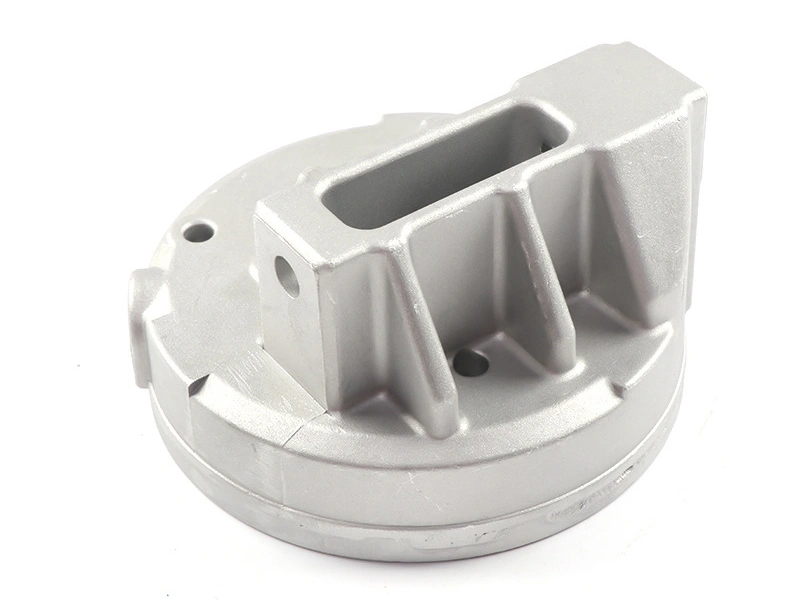
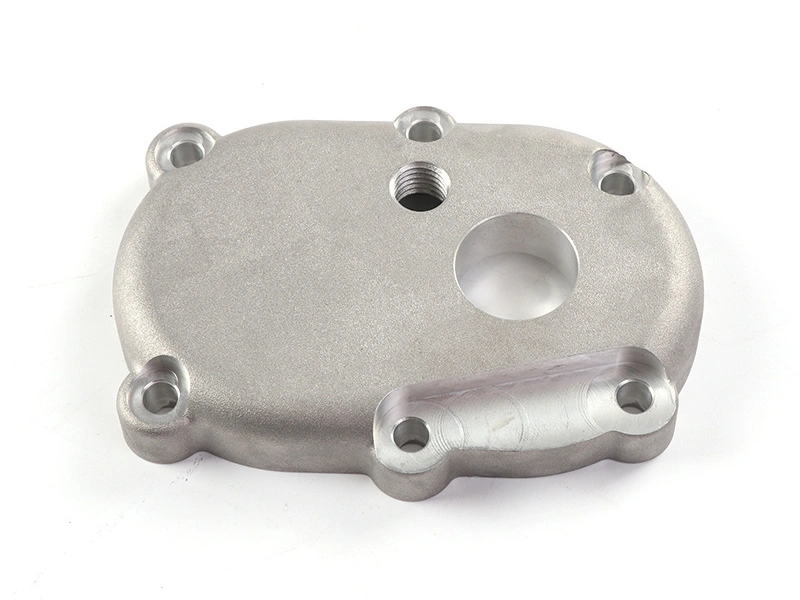
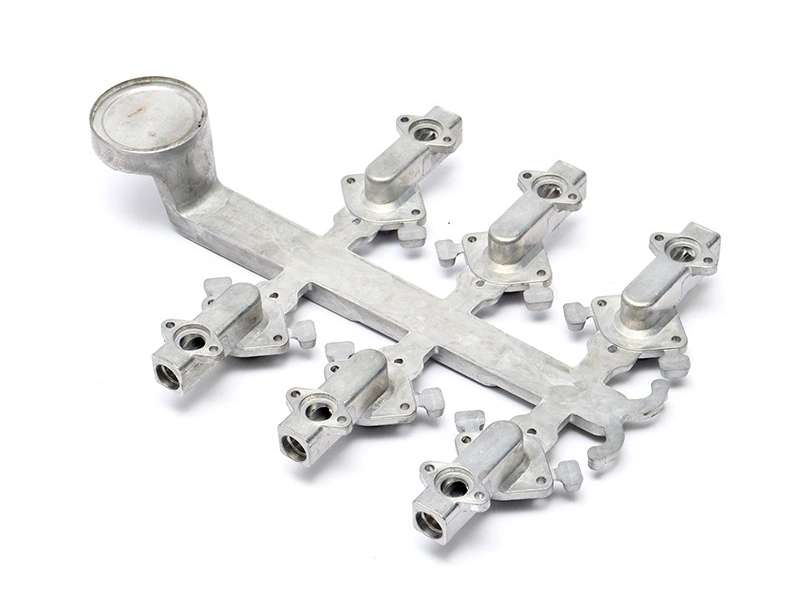
A356 aluminum casting is commonly reviewed when buyers need structural or functional cast aluminum parts that may require heat treatment, better ductility direction and a casting route such as sand casting, gravity casting or permanent mold casting. A356-T6 is often discussed for parts where the final condition matters, including pump housings, brackets, covers, arms, frames, machinery components and larger custom castings with machined functional features.
Buyers should not treat A356 as a direct replacement for common high pressure die casting alloys such as A380 or ADC12. A380 and ADC12 are widely used for aluminum HPDC production parts, while A356 is more often connected to routes that allow different solidification and heat-treatment planning. The right choice comes from the drawing, load requirement, volume, finish, machining scope and inspection standard.
The practical question is whether A356 aluminum casting can deliver the finished part the buyer needs. That means reviewing the casting route, wall sections, heat treatment, distortion risk, machining allowance, surface finish and quality checks. A raw A356 casting blank is not the final answer if the part also needs machined bores, gasket faces, threaded holes, coating or assembly fit.
When A356 Aluminum Casting Is a Good Choice
A356 aluminum casting is a good choice when the part needs a casting route that can support structural requirements, heat treatment and local CNC machining. It may fit medium or larger castings, lower-volume production, parts with thicker sections, pump bodies, brackets, housings and components where ductility and heat-treated properties matter more than high pressure die casting cycle speed.
It may not be the best choice when the part is a thin-wall high-volume electronics housing designed for HPDC, when the buyer mainly needs the lowest unit cost at large volume, or when the finish requirement is a decorative anodized appearance that has not been tested. A356 should be selected because it fits the route and function, not because the buyer assumes it is always stronger or better.
A useful way to screen A356 is to ask what the casting must prove. If the part must prove cast shape, section strength, heat-treated condition and machining after heat treatment, A356 may be worth reviewing. If the part only needs a thin aluminum enclosure with several tapped holes and a powder-coated exterior, HPDC alloys may be easier to scale. If the buyer needs a premium machined and anodized surface, wrought aluminum may deserve comparison. This route filter prevents A356 from being used as a vague "better aluminum" label.
Part Requirement | A356 Fit | Buyer Check |
|---|---|---|
Structural casting | Strong candidate when heat-treated properties matter | Define load area, wall sections and inspection needs |
Large or moderate-size custom casting | Often suitable for sand or gravity casting routes | Review machining allowance and surface finish |
Low to medium volume | Can avoid HPDC tooling when quantity is not high enough | Compare pattern, mold and machining cost |
Thin-wall mass production housing | Usually not the first HPDC default | Compare A380 or ADC12 die casting |
Heat treatment requirement | A356-T6 may be suitable after route review | Plan distortion and final machining sequence |
A356 projects often require more discussion about pattern, tooling or mold method than die casting projects. Sand casting may use patterns and cores for internal shapes. Gravity casting may use more durable tooling for selected repeat parts. Permanent mold casting may improve repeatability for suitable geometry. Each route changes surface, tolerance, lead time and cost, so the buyer should not approve the alloy without knowing the process behind it. If part function depends on alloy behavior, A356 aluminum casting details helps separate strength, castability, machining and finish concerns.
A356 vs A380 and ADC12 for Aluminum Casting
A356, A380 and ADC12 solve different manufacturing problems. A380 and ADC12 are common aluminum die casting alloys for repeat HPDC parts. A356 is often used in sand casting, gravity casting or permanent mold casting where structural direction, heat treatment and thicker sections are important. Comparing them by one property number can mislead buyers because the casting process and final part condition are different.
If the part is a thin, complex housing with many ribs and a high annual volume, A380 or ADC12 HPDC may be more practical. If the part is a structural housing, arm, frame or pump component that needs A356-T6 properties and local machining, A356 may be more appropriate. The buyer should compare route, tooling, tolerance, machining, finish, lead time and approval evidence.
The comparison also affects the supplier base. A supplier strong in HPDC may not be the best source for A356-T6 sand or gravity castings. A supplier strong in structural casting may not offer the same die-casting cycle time or thin-wall capability. Buyers should evaluate whether the supplier's equipment, heat-treatment control, machining fixtures and inspection tools match the chosen route.
Comparison Item | A356 / A356-T6 | A380 / ADC12 |
|---|---|---|
Common route | Sand casting, gravity casting or permanent mold casting | High pressure die casting |
Production style | Structural, larger or moderate-volume castings | Thin-wall, repeat production housings and covers |
Heat treatment | A356-T6 is a common direction when required | HPDC alloys are not selected mainly for T6 heat treatment |
Tolerance and surface | More machining allowance may be needed | Near-net shape with local CNC machining |
Main risk | Distortion, surface roughness, allowance and lead time | Tooling cost, porosity, gate marks and ejection marks |
Heat Treatment and A356-T6 Planning
A356-T6 usually means the casting has gone through a heat-treatment route such as solution treatment, quenching and artificial aging to reach the intended condition. Buyers ask for A356-T6 when mechanical performance matters, but heat treatment must be planned with casting geometry and machining sequence. Thin and thick sections can respond differently, and parts may distort during heat treatment.
Buyers should confirm whether critical machining occurs before or after heat treatment. Many functional surfaces, bores and datum pads need final machining after heat treatment so the finished part meets dimensional requirements. The inspection plan should match the final condition, not an intermediate casting state.
Heat treatment also affects quotation. The quote should state whether heat treatment is included, whether records are provided, whether final machining occurs after heat treatment and how distortion is handled. A low price that excludes heat treatment or final machining is not comparable with a quote for finished A356-T6 parts.
Heat Treatment Item | Buyer Concern | Practical Output |
|---|---|---|
Solution treatment | Prepares the alloy for the desired property direction | Heat-treatment route defined with supplier |
Quenching | Can introduce distortion or stress | Distortion-sensitive faces identified |
Aging | Controls final T6 condition | Final condition stated on documents |
Post-heat-treatment machining | Restores final dimensions after movement | Machined datums, bores and faces inspected in final condition |
Design and Machining Considerations for A356 Castings
A356 aluminum castings need design review for wall thickness, draft, radii, ribs, bosses, core features, shrinkage, machining allowance and datum strategy. Sand or gravity cast parts may need more allowance than HPDC parts because the route and tolerance expectations differ. Functional surfaces should be clearly marked so the supplier knows where the final part must be machined. If part function depends on alloy behavior, aluminum grade selection for casting helps separate strength, castability, machining and finish concerns.
Common machined features include sealing faces, bearing bores, threaded holes, mounting pads, datum faces and connection ports. The buyer should avoid applying tight tolerance to every as-cast surface. A better plan is to keep non-critical areas as cast and use CNC machining for the features that control function, assembly or sealing.
Feature | Why It Needs Planning | Typical Buyer Action |
|---|---|---|
Core features | Internal passages or hollow areas affect mold design and cleanup | Confirm core print, draft and inspection access |
Sealing faces | Flatness and surface condition control leakage | Machine after final condition and inspect flatness |
Bearing bores | Diameter and roundness affect movement | Use CNC machining and bore inspection |
Mounting pads | Contact points affect assembly alignment | Define datums and final machining sequence |
Cosmetic exterior | A356 casting route may leave rougher texture than die casting | Approve blasting, painting or coating sample |
Surface Finish and Corrosion Review for A356 Castings
A356 castings may receive deburring, blasting, painting, powder coating or other surface treatments depending on application. Surface finish should be discussed before samples because casting route affects texture and visible defects. A sand cast A356 part will not have the same surface as a die cast part or a machined billet part. Cosmetic standards must match the process.
Corrosion protection should be tied to the environment. Outdoor or wet applications may need coating, sealing, painting or powder coating. Functional surfaces may need masking before coating. If the part requires anodizing, the buyer should ask for sample review because cast alloy appearance may not match wrought aluminum expectations.
Buyers should classify surfaces by function. A machined gasket face may require protection from coating. A hidden internal pocket may only need deburring. A visible exterior cover may need blasting and paint. A grounding point may need to remain conductive. When surface categories are defined on the drawing, the supplier can quote finishing and masking accurately.
Inspection and Validation for A356 Aluminum Casting
A356 aluminum casting validation should include material condition, heat-treatment record when required, critical dimensions, machined features, surface finish, assembly fit and any load or pressure-related test. CMM inspection may be useful for datums and machined feature relationships. Gauges may be used for bores and threads. Visual inspection should follow a process-realistic standard.
A short example shows why validation matters. A buyer needed an A356-T6 pump housing with a machined sealing face, bearing bore and outdoor coating. Trial castings met general shape, but heat treatment created slight movement on a mounting face. The process was adjusted so final machining occurred after heat treatment, and the coating mask protected the sealing area. The approved release included heat-treatment record, machined dimension report and coating sample.
Validation Item | Evidence to Review | Why It Matters |
|---|---|---|
Material condition | A356 or A356-T6 record when required | Confirms the part matches the drawing requirement |
Heat-treatment effect | Dimensional checks before and after final machining | Controls distortion-sensitive features |
Machined dimensions | CMM, bore gauge, thread gauge or FAI report | Proves the functional surfaces meet final tolerance |
Surface finish | Approved coating or blasting sample | Sets appearance and corrosion-protection standard |
Assembly or pressure function | Fit check, leak test or functional test when required | Proves the casting works in the buyer's application |
Cost and Lead Time Factors for A356 Aluminum Casting
A356 casting cost is affected by casting route, pattern or mold complexity, cores, heat treatment, machining allowance, final CNC machining, surface finishing, inspection and quantity. A low-volume A356 sand casting may avoid HPDC die cost but require more machining and finishing work. A repeat gravity casting may need more tooling investment but improve consistency for suitable parts. If part function depends on alloy behavior, materials for low-volume sand casting helps separate strength, castability, machining and finish concerns.
Lead time should include route design, tooling or pattern work, casting, heat treatment, machining, finish and inspection. Buyers comparing A356 with A380 die casting should compare the whole timeline. HPDC tooling may take longer upfront but can be faster in production. A356 routes may be better for structural or lower-volume needs but may require heat-treatment and machining time.
Supplier Workflow for A356 Casting Projects
A supplier workflow for A356 casting should begin with route review, not only a material quote. The supplier should check whether sand casting, gravity casting or permanent mold casting fits the geometry and quantity. Then the team should review wall sections, cores, draft, machining allowance, heat treatment, finish and inspection. If A356-T6 is required, the workflow should include final-condition machining and documentation.
Neway's support should connect the material requirement to a finished component: route selection, casting preparation, heat-treatment planning, CNC machining, post-process finishing, inspection and packaging. That connection is what turns A356 from a material request into a controlled production plan.
Common Failure Risks in A356 Casting Projects
A356 casting projects can fail when the buyer and supplier treat the alloy name as enough information. Common problems include insufficient machining allowance on sealing faces, heat-treatment distortion on flat mounting pads, rough cosmetic surfaces that were never defined, unclear inspection requirements, and quotes that exclude heat treatment or final machining. These failures are usually planning failures, not only foundry failures. For alloy-sensitive projects, alloy selection effects on machined features is a better reference than treating every aluminum or zinc grade as interchangeable.
Another risk is comparing A356 quotes against HPDC quotes without matching scope. A raw A356 sand casting, a heat-treated and machined A356-T6 component, and an A380 die cast and powder coated part are different products. Buyers should compare finished-part scope, not only material and unit price. For alloy-sensitive projects, A380 die casting material is a better reference than treating every aluminum or zinc grade as interchangeable.
Risk Signal | Possible Problem | Buyer Response |
|---|---|---|
Quote says A356 but not A356-T6 | Final material condition may be unclear | Confirm heat treatment and documentation |
No machining allowance shown | Critical faces may not clean up | Mark machined zones and final tolerance |
Surface finish not defined | Raw casting texture may not meet appearance expectation | Approve blasting, coating or painting standard |
No final-condition inspection | Heat treatment or machining movement may be missed | Request inspection after final machining |
What to Include in an A356 Aluminum Casting RFQ
An A356 aluminum casting RFQ should include 3D model, 2D drawing, A356 or A356-T6 requirement, casting route preference if known, quantity, annual volume, load condition, heat-treatment requirement, machined features, surface finish, inspection needs and delivery target. If the buyer is open to alternatives, the RFQ should say whether A380, ADC12 or another route can be reviewed for comparison. When the drawing is still open, surface finish compatibility for aluminum alloy die cast parts gives buyers a useful reference for comparing alloy trade-offs before RFQ release.
RFQ Item | Why It Matters for A356 Casting | Example Note |
|---|---|---|
Material condition | A356 and A356-T6 are not the same final requirement | A356-T6 required after heat treatment |
Casting route | Sand, gravity and permanent mold routes change tooling and tolerance | Open to route recommendation for 300 pieces |
Machined features | Controls allowance and final inspection | Machine sealing face, bore and six M8 threads |
Heat-treatment record | Confirms final condition when required | Provide heat-treatment record with first article |
Finish and environment | Controls corrosion protection and masking | Outdoor coating, mask gasket face |
Neway can review A356 aluminum casting requirements together with aluminum casting route selection, CNC machining, surface finishing and inspection planning. If the part is better served by aluminum die casting in A380 or ADC12, that comparison should be made before the buyer locks the material. The strongest decision is the one that connects alloy, route, heat treatment, machining and final approval.
Before release, buyers should confirm the drawing revision, material condition, route, heat-treatment requirement, machined features, coating or finish sample, inspection reports and packaging method. Those items keep later batches tied to the same accepted technical basis.
For repeat orders, the buyer should also keep approved samples and records. A356 projects often involve several connected steps, so revision control, heat-treatment records, machining reports and finish samples help future batches match the first approved production condition.
This record is especially useful when the part returns months later for another batch.
It also protects supplier communication during reorders.
For A356 castings, that discipline is part of quality control.
FAQ