High Pressure Die Casting Aluminum for Custom Production Parts
High Pressure Die Casting Aluminum for Custom Production Parts
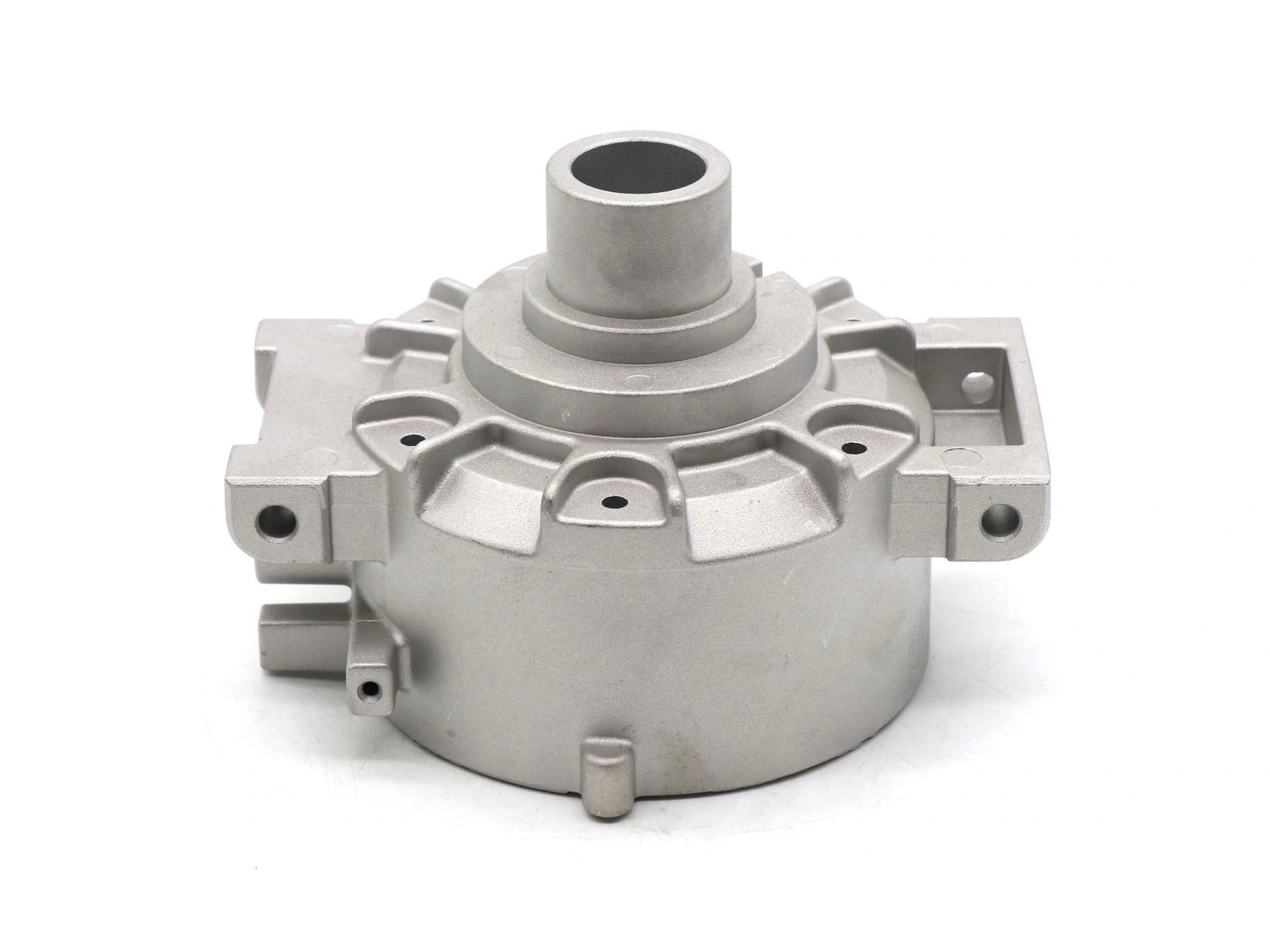
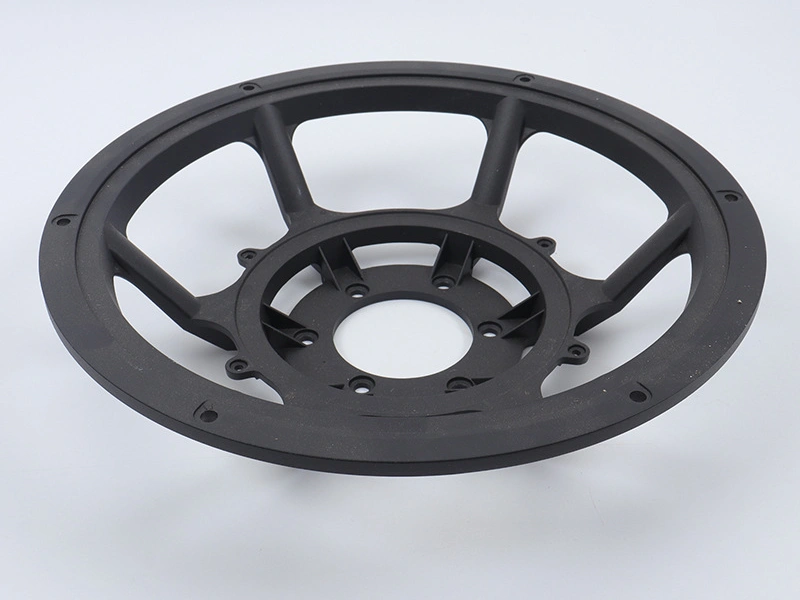
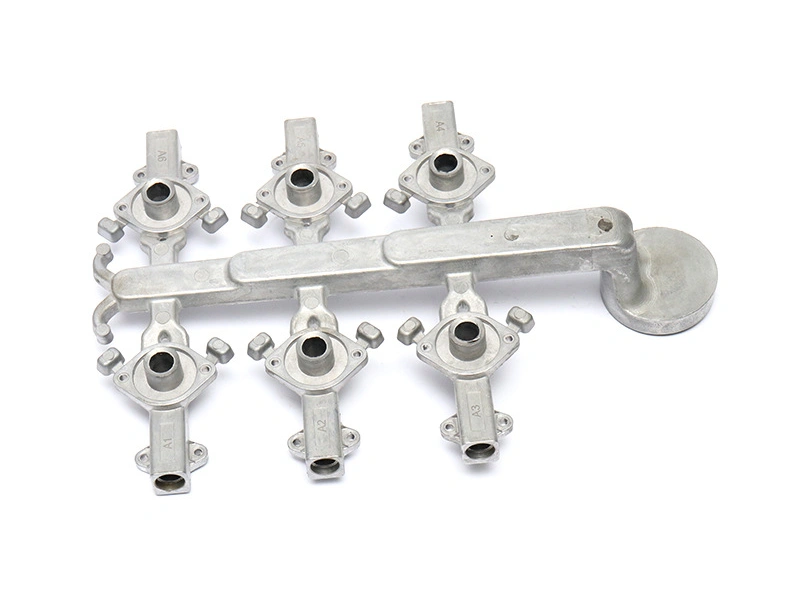
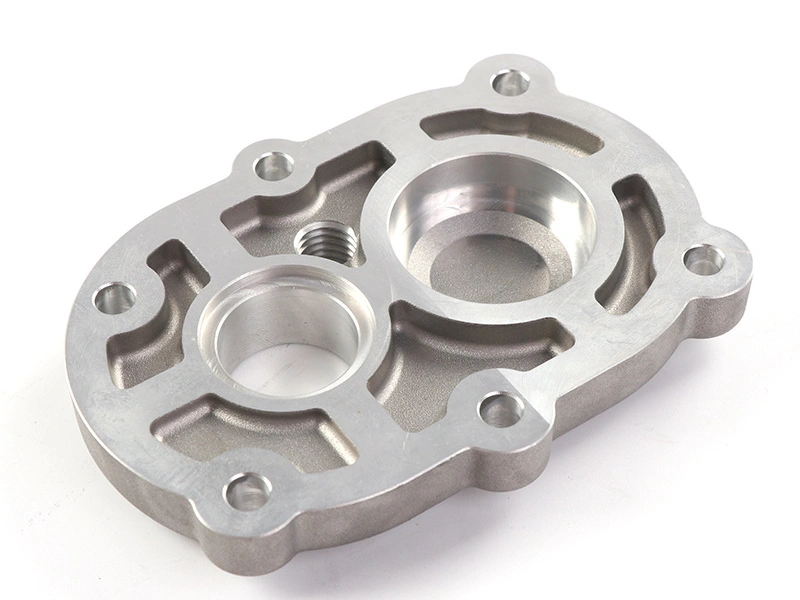
High pressure die casting aluminum is used when buyers need repeatable aluminum parts with complex geometry, thin walls, ribs, bosses, mounting features and stable production cost after tooling approval. It is common for housings, covers, lighting bodies, motor end covers, heat sink frames, electronic enclosures, brackets and industrial components that need the main shape cast quickly and selected features finished by CNC machining.
Buyers usually search this topic when they are deciding whether HPDC can replace machining from billet, sand casting, extrusion plus machining or another aluminum route. The answer comes from geometry, alloy, quantity, tolerance, surface finish and defect risk. HPDC can be excellent for repeat production, but it requires serious tooling review because gates, runners, venting, cooling, ejection and trim design affect the quality of every part after launch.
The key buyer question is not simply whether aluminum can be die cast. The real question is whether the part design, annual volume, wall thickness, post-machined features and acceptance standards match the HPDC process. A successful project defines what will be cast, what will be machined, what finish will be applied, which defects are unacceptable and how production will be inspected. For that narrower decision, how high pressure die casting aluminum supports complex production parts gives buyers a focused reference before the RFQ is finalized.
When HPDC Aluminum Is the Right Choice
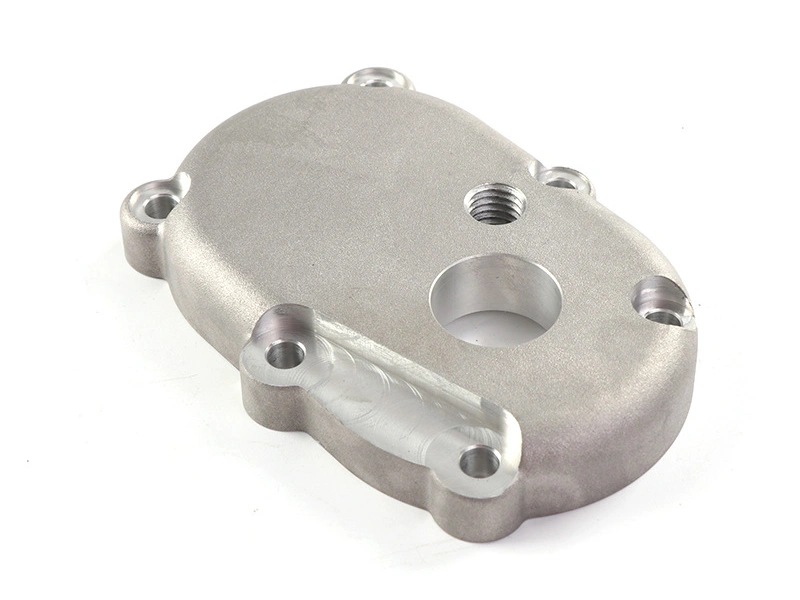
HPDC aluminum is usually the right choice when the part needs complex shape, thin-wall repeatability, medium to high production volume, controlled unit cost and local precision machining. It is especially useful when the part has ribs, bosses, covers, windows, mounting pads, heat-dissipation geometry or external surfaces that need painting or powder coating after casting. For the related technical choice, high pressure aluminum die casting for precise custom parts gives the buyer another page to verify before production planning.
The process is less suitable when the quantity is extremely low, the design is still changing weekly, the part has very thick structural sections, every surface requires tight CNC tolerance, or the application cannot tolerate any internal porosity near pressure or sealing zones. In those cases, buyers may need prototype casting, sand casting, gravity casting, CNC machining or a redesigned HPDC part with local machining and inspection controls.
For early engineering discussions, buyers can use a simple filter. If the part is mostly a prismatic block with tight tolerance on every face, machining may remain the more direct path. If the part is a large thick casting with low quantity and many internal cores, sand casting may be more practical. If the part is a repeat aluminum housing with thin walls, multiple bosses, exterior shape and several machined features, HPDC becomes a serious candidate. This filter prevents buyers from using HPDC for the wrong reason, while still capturing its value where it is strongest.
Buyer Requirement | Why HPDC Aluminum Helps | Decision Check |
|---|---|---|
Thin-wall metal housing | HPDC can fill complex aluminum housing geometry at production speed | Wall thickness, gate flow and venting must be reviewed |
Repeat production | Steel tooling supports consistent output after sample approval | Annual demand should justify tooling investment |
Lower unit cost at volume | Cycle time and near-net shape can reduce machining from billet | Compare total cost including tooling, trimming, machining and finish |
Local tight features | Casting forms the body while CNC finishes threads, bores and faces | Machining allowance and fixture datums must be defined |
Visible coated part | Die cast surfaces can be deburred, blasted, painted or powder coated | Cosmetic zones, ejector marks and coating standard must be marked |
Pressure or sealing function | HPDC may work with careful design and inspection for selected areas | Porosity, leak test and machined sealing faces need extra review |
HPDC aluminum also requires a frozen or nearly frozen design. Because die changes can be costly, the buyer should not treat production tooling as an experiment for basic shape changes. The better sequence is to validate the product concept with prototypes, freeze the functional layout, then use HPDC tooling to prove castability, machining allowance, finish and production repeatability. If the design may still change, bridge tooling or a prototype route should be discussed before building a full production die.
Which Aluminum Alloys Are Used in High Pressure Die Casting?
Common HPDC aluminum alloys include A380, ADC12, A360 and A413, with selection based on castability, strength, corrosion direction, pressure-related needs, surface finish and supply chain preference. A380 is widely used for general aluminum die cast parts because it balances casting performance, cost and mechanical behavior. ADC12 is common in many Asian manufacturing programs and is often compared with A383 or A380-type requirements. A360 may be reviewed when corrosion direction or pressure-related performance matters. A413 may be reviewed for fluidity-sensitive parts or selected leak-sensitive applications.
Buyers should avoid naming only "aluminum" in the RFQ. The alloy affects flow, porosity tendency, machining behavior, finish compatibility and inspection documents. If the buyer has a legacy drawing with a specific alloy, the supplier should confirm whether equivalent material is allowed. If the buyer only knows the application, the supplier should recommend an alloy and explain the trade-off.
Material choice should also be connected to the environment. Outdoor enclosures need corrosion and coating review. Thermal housings need heat-transfer geometry and machined contact faces. Moving assemblies may need wear review around holes or shafts. Electrical housings may need grounding points kept free of coating. These requirements do not always change the alloy, but they change the machining, finishing and inspection plan that surrounds the alloy.
Alloy Direction | Common HPDC Use | Buyer Watch Point |
|---|---|---|
A380 | General housings, covers, brackets and industrial die cast parts | Good default, but pressure-tight areas and cosmetic finish still need review |
ADC12 | Automotive, electronics and industrial supply chains using Asian standards | Confirm equivalent standard and inspection wording on the drawing |
A360 | Parts where corrosion direction or pressure-related review is important | Check availability, cost and whether the benefit matters for the application |
A413 | Fluidity-sensitive shapes and selected leak-sensitive components | Confirm mechanical needs, machinability and acceptance criteria |
Design Rules That Control HPDC Aluminum Success
HPDC aluminum design should control wall thickness, draft, radii, ribs, bosses, undercuts, parting line, gate location, ejector marks and machining allowance. Thin and balanced sections fill more predictably than abrupt thick-to-thin transitions. Ribs can add stiffness without adding heavy mass, but rib roots and bosses must avoid thick hot spots. Draft supports ejection, while radii improve flow and reduce stress concentration.
For buyers, the most important design habit is separating functional surfaces from general cast surfaces. Threaded holes, sealing faces, bearing bores, locating pads and high-accuracy mounting holes usually need CNC machining after casting. Cosmetic faces should be marked so the tooling team can avoid placing gates, ejector marks or parting lines on visible areas when possible.
Designers should also decide where assembly load enters the part. A screw boss, hinge area, motor mount or bracket foot may carry more load than nearby walls. These regions may need ribs, local thickness, fillets or machined metal seats. A thin wall that is acceptable for enclosure shape may not be enough for a load path. HPDC can form both structural and cosmetic features, but the drawing should tell the supplier which features actually carry force.
Design Feature | HPDC Review Point | Risk if Ignored |
|---|---|---|
Wall thickness | Keep sections balanced and avoid unnecessary heavy areas | Porosity, shrinkage, flow marks and unstable dimensions |
Ribs and bosses | Use ribs for stiffness and avoid heavy screw-boss hot spots | Local porosity, weak threads and sink-like defects |
Draft and ejection | Provide release direction and plan ejector positions | Drag marks, sticking and visible ejection damage |
Parting line | Keep flash and mismatch away from critical fit or cosmetic surfaces | Extra trimming, assembly interference or appearance rejection |
Machining allowance | Leave stock for threads, bores, gasket faces and datums | Insufficient cleanup, exposed porosity or out-of-tolerance surfaces |
Tooling, Venting and Porosity in Aluminum HPDC
Tooling is the core of HPDC aluminum quality. The die controls cavity layout, gate size, runner balance, overflow, venting, cooling, ejection, trim line and long-term repeatability. A lower tooling price can become expensive if the die creates unstable filling, high flash, trapped gas, porosity near machined faces or visible defects on coated areas.
Porosity is one of the most important HPDC risks. Gas porosity can come from trapped air, poor venting, turbulence or lubricant control. Shrinkage porosity can appear near heavy sections that solidify poorly. Buyers should identify whether porosity is only cosmetic, whether it affects a machined face, or whether it creates leak or strength risk. Pressure-sensitive parts may need special design review, vacuum assist, local machining strategy, impregnation review or leak testing.
Tooling review should include maintenance thinking. As production continues, die wear can increase flash, change dimensions and affect surface quality. Cooling channels, inserts, ejector pins and trim edges should be monitored when the project has long-term volume. Buyers do not need to manage the die every day, but they should understand whether the supplier has a maintenance plan for repeat orders and whether critical dimensions are watched for drift.
Control Item | What It Affects | Buyer Evidence |
|---|---|---|
Gate and runner design | Metal flow, filling sequence and cold shut risk | DFM comments or tooling design review |
Venting and overflow | Trapped gas and surface or internal porosity | Trial sample review, section check or X-ray when needed |
Cooling layout | Shrinkage, cycle stability and dimensional repeatability | Trial record and dimensional trend |
Ejection plan | Part release and mark location | Cosmetic surface approval and ejector mark map |
Trim die or trimming method | Flash removal, gate removal and edge consistency | Approved trimmed sample and burr standard |
CNC Machining After High Pressure Aluminum Die Casting
HPDC can form the near-net shape, but many production parts still need CNC machining. Common machined features include threaded holes, gasket faces, bearing bores, locating surfaces, connector openings, flat mounting pads and tight assembly datums. The goal is not to machine every surface. The goal is to machine the features that control fit, sealing, movement or inspection.
Machining must be considered before tooling because the casting needs enough stock in the right places. If a gasket face is machined after casting, the part design should protect the face from heavy porosity and leave cleanup allowance. If a threaded hole is close to a thick boss, the boss design should reduce hot spots. If coating follows machining, masking may be needed to protect threads and precision faces.
Machined Feature | Why It Is Machined | Inspection Method |
|---|---|---|
Threaded holes | Thread pitch, depth and alignment require cutting control | Thread gauge and visual cleanliness check |
Gasket face | Flatness and surface texture affect sealing | CMM, flatness check or functional leak test |
Locating bore | Diameter and position affect assembly repeatability | Bore gauge, plug gauge or CMM |
Mounting pad | Contact face must sit flat against mating part | Height, flatness and datum relationship check |
Connector opening | Fit with gasket, cable or mating component may need accuracy | Go/no-go gauge or assembly fit check |
Surface Finishing for Aluminum HPDC Parts
Aluminum HPDC parts may require deburring, shot blasting, sand blasting, painting, powder coating, polishing or selected anodizing review. Visible surfaces should be classified before tooling. A customer-facing housing cover, hidden rib, machined sealing face and coated bracket edge should not all share the same acceptance standard. Where geometry or tooling risk is involved, using HPDC aluminum for thin-wall housings helps buyers catch manufacturability issues before mold changes become expensive.
Powder coating and painting are common for aluminum die cast parts, but surface defects must be handled honestly. Tiny pores, flow marks, ejector marks or parting line traces may become more visible after coating if cosmetic rules are unclear. Buyers should define color, gloss, coating thickness, masking areas, acceptable defect size and inspection distance. Packaging should protect coated faces and machined surfaces after final approval.
Inspection and Sample Approval for HPDC Aluminum
Sample approval for high pressure die casting aluminum should include more than one good-looking part. Buyers should check dimensions, machined features, threads, flatness, surface finish, burr level, coating result and functional assembly. CMM may be needed for datum relationships. Thread gauges may be needed for tapped holes. Leak tests may be required for sealed parts. X-ray inspection may be used when internal porosity matters. Before tooling release, preventing warpage in high pressure aluminum die cast parts can help buyers separate acceptable casting complexity from avoidable production risk.
Production release should connect the trial sample to repeat orders. The release record should identify the drawing revision, alloy, die condition, approved process parameters, CNC fixture, cutting program, finish sample, inspection plan and packaging method. This record helps prevent a project from passing one sample and then drifting during later batches. If the part has a customer-facing cosmetic surface, the approved sample and visual limit should be retained for comparison.
A short engineering example shows the sequence. A buyer needed an aluminum control housing with thin ribs, a machined gasket face, four threaded holes and black powder coating. The HPDC route used an A380-type alloy direction. During trial, one heavy boss showed porosity risk near a machined hole, so the boss was cored and the machining allowance was adjusted. The approved release included casting sample, machined report, coating sample and gasket face inspection. The buyer moved forward because the finished part, not just the raw casting, met the requirement. For that narrower decision, how high pressure aluminum die casting parts support stable production gives buyers a focused reference before the RFQ is finalized.
Release Item | What Should Be Locked | Why It Matters |
|---|---|---|
Drawing and alloy | Revision, material direction and any approved equivalents | Prevents later batches from using a different technical basis |
Tooling and casting | Gate, venting, trim method and trial correction status | Maintains the casting condition that produced approved samples |
CNC process | Fixture datums, machined features and inspection points | Protects threads, bores, gasket faces and mounting features |
Finish sample | Color, gloss, masking, coating thickness and acceptable defects | Reduces cosmetic disagreement on repeat orders |
Inspection plan | CMM, gauges, leak test, visual criteria and report frequency | Confirms the part remains acceptable after production starts |
What to Include in an HPDC Aluminum RFQ
An HPDC aluminum RFQ should include 3D model, 2D drawing, alloy target or open recommendation, first order quantity, annual demand, surface finish, critical machined features, pressure or leak requirement, cosmetic zones, inspection needs and delivery target. If the buyer needs a finished part, the RFQ should state that tooling, casting, trimming, machining, finishing and inspection are all part of the required scope.
RFQ Detail | Why It Matters for HPDC Aluminum | Example Note |
|---|---|---|
Alloy direction | Controls castability, cost, machining and finish | A380 or ADC12 accepted after review |
Annual volume | Shows whether production die tooling is justified | 500 pilot parts, 20,000 per year after approval |
Machined features | Defines CNC allowance, fixture and inspection | Machine gasket face, M6 holes and locating bores |
Porosity-sensitive zones | Guides gate, venting, local thickness and inspection | No leakage at gasket groove after machining |
Finish standard | Controls cosmetic surface planning and masking | Black powder coat, mask threads and sealing face |
Neway can support HPDC aluminum projects through aluminum die casting, tool and die making, CNC machining, post-process finishing and inspection planning. For buyers, the strongest project path is a controlled chain from DFM to tooling, casting trial, machined sample, finish approval and production release.
That chain matters because each step changes the next one. A boss design affects porosity and thread machining. A gate location affects appearance and finishing. A coating requirement affects masking and final inspection. A leak test affects porosity acceptance and machined sealing faces. When these links are reviewed together, high pressure die casting aluminum becomes a controlled production method rather than a risky tooling investment. Where casting and machining share the same part, reducing porosity exposure on machined aluminum areas helps keep the precision work tied to real assembly needs.
FAQ