How to Choose a Metal Casting Supplier for Custom Parts

How to Choose a Metal Casting Supplier for Custom Parts
Choosing a metal casting supplier is not only about finding someone who can quote a casting blank. For custom parts, buyers need a supplier that can understand material requirements, application conditions, drawing details, production volume, machining needs, surface finishing, inspection standards, packaging, and repeat supply expectations.
A reliable metal casting supplier should help buyers turn product requirements into manufacturable, inspectable, and deliverable metal castings. This may include aluminum casting, zinc casting, copper casting, CNC post-machining, surface finishing, assembly support, secure packaging, and long-term production control.
This article explains how buyers can evaluate a custom metal casting supplier for material matching, RFQ preparation, engineering communication, tooling planning, finished part delivery, quality traceability, and long-term supply standards.
What Does a Metal Casting Supplier Do for Custom Parts?
A metal casting supplier should act as a project supply partner, not only a source of raw castings. The supplier should review the buyer’s part function, material direction, drawing requirements, surface expectations, inspection needs, and delivery state before production begins.
For custom metal parts, the supplier may need to support material review, casting process recommendation, tooling coordination, casting production, CNC post-machining, surface finishing, inspection, assembly support, packaging, and repeat supply management.
Supplier Role | What It Includes | Buyer Value |
|---|---|---|
Material review | Evaluate aluminum, zinc, copper, and other casting material options. | Helps match material performance with product requirements. |
Casting process recommendation | Recommend the suitable casting route based on geometry, volume, and application. | Reduces wrong-process selection and early project risk. |
Tooling coordination | Plan custom casting molds, trial casting, correction, maintenance, and records. | Supports repeatable production and stable long-term supply. |
Casting production | Produce metal castings with controlled process parameters and batch records. | Improves consistency from samples to repeat orders. |
CNC post-machining | Machine holes, threads, sealing faces, datums, bores, and assembly surfaces. | Turns castings into functional metal components. |
Surface finishing | Apply painting, powder coating, anodizing, sand blasting, tumbling, or other post-processes. | Controls appearance, corrosion resistance, and final product value. |
Inspection and traceability | Use dimensional inspection, material checks, reports, and batch records. | Supports quality verification and long-term supply confidence. |
Assembly and packaging | Support assembled components, labeling, secure packaging, and finished part protection. | Reduces buyer-side secondary work and delivery damage. |
The best metal casting supplier helps buyers define what should be delivered: rough casting blanks, semi-finished parts, machined castings, finished metal castings, or assembly-ready components.
Metal Casting Supplier vs Die Casting Supplier
A die casting supplier and a metal casting supplier can overlap, but the search intent is not exactly the same. A die casting supplier is usually more focused on the die casting process, tooling, part price, and production capability. A metal casting supplier has a broader role in material evaluation, custom metal casting supply, finished component delivery, and long-term supply management.
Comparison Point | Die Casting Supplier | Metal Casting Supplier |
|---|---|---|
Keyword scope | More focused on the die casting process. | Broader custom metal casting supply and project support. |
Material range | Often focuses on aluminum, zinc, or copper die casting. | Can support broader casting material evaluation and project matching. |
Buyer intent | Find a die casting supplier for a defined process. | Find a metal casting supply partner for custom parts. |
Service focus | Tooling, die casting, post-processing, and production. | Material, process route, delivery state, traceability, and supply chain control. |
Suitable page | Die casting or metal casting related service pages. | Metal Casting as the broader project entry page. |
Content angle | Supplier screening, quotation comparison, and supplier approval. | Project fit, technical communication, finished delivery, and long-term supply standards. |
This is why the Metal Casting page can work as a broader entry point for buyers who are not only looking for die casting capacity, but also need material guidance, process planning, finished part support, and long-term custom metal casting supply.

What Types of Custom Parts Can a Metal Casting Supplier Support?
A metal casting supplier may support many types of custom parts across aluminum, zinc, copper, and other casting materials. The supplier’s role is to match the part requirement with the right material, casting process, tooling plan, machining route, finishing method, and inspection standard.
Custom Part Type | Possible Material | Supplier Planning Focus |
|---|---|---|
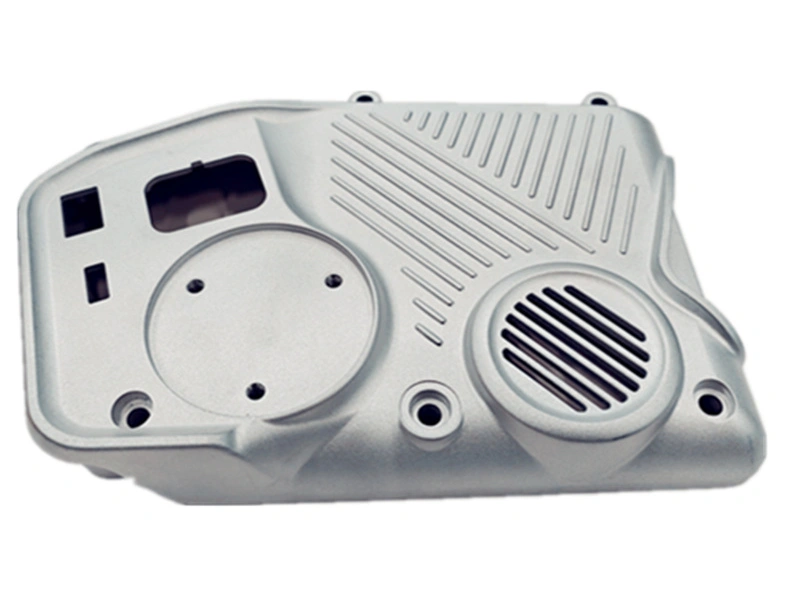
Housings and covers | Aluminum, zinc | Appearance, assembly fit, wall thickness, surface treatment, and packaging protection. |
Brackets and frames | Aluminum, zinc | Strength, hole position, flatness, datum surfaces, and dimensional inspection. |
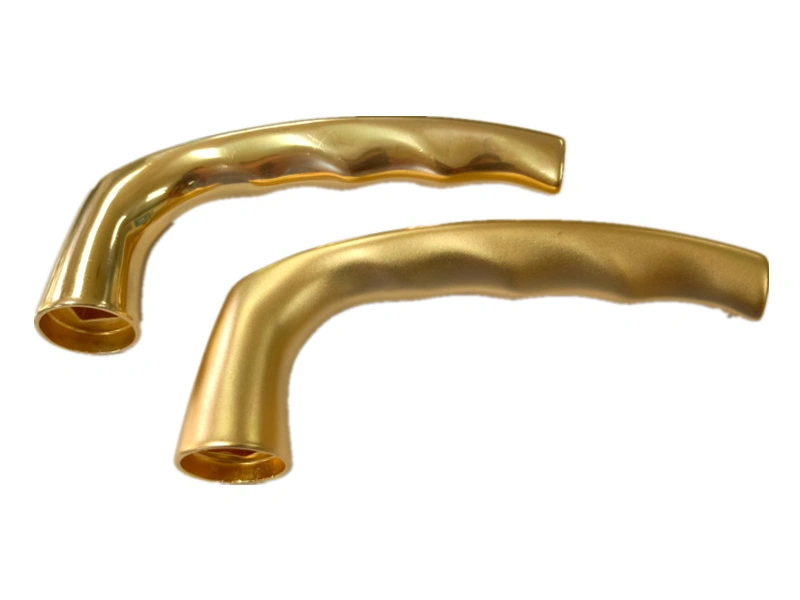
Hardware and handles | Zinc, aluminum | Appearance, wear resistance, hand feel, coating quality, and durability. |
Connector and terminal parts | Zinc, copper | Conductivity, dimensional accuracy, surface protection, and assembly fit. |
Thermal or electrical parts | Aluminum, copper | Thermal conductivity, electrical conductivity, post-machining, and functional testing. |
Finished assemblies | Aluminum, zinc, copper | CNC machining, surface finishing, quality inspection, assembly, labeling, and packaging. |
For buyers, this broader coverage helps the Metal Casting page capture custom metal parts supplier intent, especially when the material or delivery state is not fully decided at the RFQ stage.
How to Match Metal Casting Suppliers to Material Requirements
Buyers do not always know the best material before contacting a supplier. A strong metal casting supplier should help evaluate whether the part should use aluminum, zinc, copper, or another casting material direction based on weight, strength, conductivity, surface quality, corrosion resistance, production volume, and final application.
Material Requirement | Suitable Supplier Capability | Internal Direction |
|---|---|---|
Lightweight structures | Aluminum casting supplier capability. | |
Small complex decorative parts | Zinc casting supplier capability. | |
Conductive or thermal parts | Copper casting supplier capability. | |
Multi-material product line | Cross-material project management and material comparison. | |
Finished metal components | Casting, CNC machining, surface finishing, inspection, assembly, and packaging. |
If the buyer is not sure which material is best, casting material selection can help compare aluminum, zinc, copper, and other casting material options before tooling starts.
What RFQ Information Helps a Metal Casting Supplier Evaluate a Project?
Complete RFQ information helps a metal casting supplier provide a more accurate manufacturing plan. If the buyer only sends a photo or a rough description, the supplier may not be able to judge tooling risk, material direction, post-machining needs, finishing requirements, inspection points, or packaging requirements accurately.
The goal of RFQ information is not only to get a price. It helps the supplier evaluate manufacturability, process route, quality control, and delivery state.
RFQ Information | Why Supplier Needs It | Project Impact |
|---|---|---|
3D model | Helps evaluate structure, wall thickness, undercuts, and tooling feasibility. | Supports DFM review and tooling planning. |
2D drawing | Defines dimensions, tolerances, datums, surface finish notes, and inspection points. | Supports quotation accuracy and QC planning. |
Material requirement | Shows whether aluminum, zinc, copper, or another material direction is expected. | Supports material selection and process recommendation. |
Annual volume | Helps judge tooling type, cavity number, production method, and unit cost direction. | Supports tooling and production planning. |
Surface finish | Shows whether the part needs painting, powder coating, anodizing, blasting, tumbling, or other post-processes. | Supports finishing planning and appearance control. |
Assembly requirement | Shows whether holes, threads, mating faces, inserts, or functional tests are needed. | Supports CNC machining and assembly planning. |
Application environment | Shows whether corrosion resistance, heat resistance, conductivity, or durability matters. | Supports material and coating selection. |
Packaging requirement | Shows whether finished surfaces, machined areas, threads, or assemblies need protection. | Supports delivery planning and finished part protection. |
The more complete the RFQ information is, the easier it is for a custom metal casting supplier to provide a practical manufacturing route instead of a vague casting quote.
How Engineering Communication Improves Metal Casting Supply
Good engineering communication helps reduce manufacturing risk before tooling, casting, machining, finishing, and assembly begin. A reliable supplier should not only receive the drawing and quote it. It should discuss the technical points that affect castability, cost, precision, finish, and delivery quality.
Engineering Communication Topic | Problem Prevented |
|---|---|
Material selection | Material mismatch, poor strength, wrong surface behavior, or unnecessary cost. |
Wall thickness | Shrinkage, porosity, deformation, short fill, and unstable production. |
Machining allowance | Insufficient CNC stock, unstable datums, and failed functional features. |
Cosmetic surface | Conflict between visible faces, parting line, gate marks, ejector marks, and finishing. |
Surface finish | Coating thickness problems, adhesion failure, masking conflicts, and appearance rejection. |
Assembly interface | Fit problems, tolerance stack-up, fastening failure, and functional mismatch. |
Inspection method | Unclear quality standards, missing inspection points, and acceptance disputes. |
Buyers can use engineering support from metal casting supplier and DFM review for metal casting supply to clarify these risks before mold investment begins.
Tooling and Production Planning With a Metal Casting Supplier
Tooling and production planning should be connected with long-term supply. A metal casting supplier should help buyers determine whether tooling is required, whether private tooling is necessary, whether a single-cavity or multi-cavity mold is suitable, how trial casting will be verified, and how tooling will be maintained for repeat orders.
Planning Item | Buyer Question | Supplier Role |
|---|---|---|
Tooling need | Does the project require custom tooling? | Evaluate production volume, part structure, process route, and cost target. |
Tooling type | Should the project use single-cavity or multi-cavity tooling? | Balance tooling cost, production capacity, sampling needs, and long-term unit cost. |
Trial casting | How will samples be verified before production? | Organize trial casting, sample review, dimensional check, and correction plan. |
Tooling maintenance | How will repeat orders remain stable? | Maintain mold condition, reduce flash, control wear, and monitor dimensional drift. |
Tooling record | How will tooling changes be tracked? | Manage mold revisions, maintenance records, correction history, and production version control. |
Buyers should confirm whether the supplier can provide tooling support from metal casting supplier, custom casting molds, tool materials for casting molds, and H13 mold steel for metal casting tools when mold stability matters.
How a Metal Casting Supplier Supports Finished Part Delivery
Buyers should clarify whether the supplier will deliver casting blanks, semi-finished castings, machined castings, surface-finished castings, or assembly-ready finished metal components. This delivery state affects cost, lead time, inspection, packaging, and responsibility.
A finished metal casting supplier should support CNC machining, post-machining, deburring, surface finishing, inspection, assembly, packaging, labeling, and logistics protection.
Finished Part Requirement | Supplier Support |
|---|---|
Functional dimensions | CNC machining from metal casting supplier and CMM inspection. |
Threaded holes | Tapping, thread gauge inspection, burr removal, and functional checking. |
Surface appearance | Painting for metal casting parts, powder coating for metal cast parts, anodizing, or other post-process support. |
Corrosion protection | Material selection, coating selection, anti-corrosion surface protection, and coating inspection. |
Assembly-ready delivery | Assembly support from metal casting supplier and functional testing. |
Protected shipment | Custom assembly, secure packaging, labeling, and batch separation. |
For finished components, buyers can also use post-machining for metal cast parts, post processing from metal casting supplier, anodizing for aluminum cast parts, sand blasting for metal castings, and tumbling for metal cast parts when the project requires additional finishing or deburring.
Quality Traceability From a Metal Casting Supplier
Quality traceability helps buyers understand what happened during production and how future batches can remain consistent. For custom metal casting supply, traceability should cover material, tooling, casting, machining, finishing, inspection, assembly, packaging, and shipment batches.
This is especially important for repeat orders, finished metal castings, critical parts, and multi-material projects.
Traceability Item | What It Controls | Buyer Value |
|---|---|---|
Material batch | Material source, material grade, and approved material direction. | Reduces material disputes and supports repeat quality. |
Alloy composition | Chemical composition and material consistency. | Confirms material stability and approved alloy use. |
Tooling record | Mold version, maintenance history, corrections, and production condition. | Supports repeat order consistency and version control. |
Inspection report | Dimensions, internal defects, surface condition, and critical features. | Makes quality measurable and verifiable. |
Finish batch | Surface treatment process, color, coating thickness, and appearance standard. | Reduces finish variation and appearance disputes. |
Shipment batch | Packaging, labels, delivery batch, and traceable shipment information. | Helps locate issues quickly if a delivery problem occurs. |
For stronger traceability, buyers can request alloy composition analysis for metal castings, CMM inspection from metal casting supplier, and X-ray inspection for metal cast parts when the application requires documented quality control.
How to Manage Long-Term Supply With a Metal Casting Supplier
A good metal casting supplier should help buyers build long-term supply standards, not only complete the first order. Repeat supply requires fixed standards for approved samples, material, tooling, drawings, inspection, finishing, packaging, capacity planning, and communication.
Long-Term Supply Standard | Why It Matters |
|---|---|
Approved sample | Creates a fixed reference for appearance, dimensions, function, and final delivery condition. |
Material standard | Keeps performance, casting behavior, and surface treatment results consistent. |
Tooling maintenance plan | Maintains dimensions, surface quality, flash control, and stable repeat production. |
Inspection checklist | Ensures each batch is checked using the same quality standard. |
Finish sample | Controls color, coating, texture, gloss, and surface appearance across repeat orders. |
Packaging standard | Protects finished castings from scratches, dents, coating damage, and mixed batches. |
Revision control | Prevents old drawings, old tooling conditions, or outdated inspection standards from entering production. |
Capacity planning | Supports stable lead time and reliable delivery for repeat orders. |
For staged projects, buyers can use prototype support from metal casting supplier, low-volume metal casting supplier support, and mass production metal casting supplier support to reduce risk before repeat supply becomes stable.
How One-Stop Metal Casting Supplier Support Reduces Supply Chain Work
A one-stop metal casting supplier can reduce supply chain work by managing material review, tooling coordination, casting, CNC machining, surface finishing, inspection, assembly, secure packaging, and repeat production standards under one project workflow.
This is useful when buyers need finished metal castings or assembled components instead of raw casting blanks. It reduces responsibility gaps between material suppliers, toolmakers, casting suppliers, machining suppliers, finishing vendors, inspection teams, and packaging providers.
Supply Chain Problem | One-Stop Metal Casting Supplier Support |
|---|---|
Material uncertainty | Material review, casting material selection, and engineering recommendation. |
Tooling and casting gap | Integrated tooling and casting planning with trial casting and mold correction. |
CNC responsibility gap | Casting datums, machining allowance, fixture planning, and inspection are coordinated. |
Finishing issues | Surface finishing, coating thickness, masking, and appearance standards are managed under project control. |
Inspection inconsistency | Unified QC standards, inspection reports, approved samples, and batch records. |
Finished part damage | Secure packaging from metal casting supplier protects coated, machined, visible, and assembled parts. |
Repeat order variation | Standardized production records, tooling maintenance, material records, finish samples, and packaging standards. |
If buyers need a custom metal casting supplier rather than only a raw casting source, Neway’s Metal Casting page can be used as a one-stop supply entry point. Related support can include aluminum casting, zinc casting, copper casting, tooling, CNC machining, surface finishing, inspection, assembly, secure packaging, and long-term production control through an integrated metal casting supplier.
Summary
A metal casting supplier should help buyers manage more than casting price. The supplier should support material review, casting process recommendation, tooling coordination, casting production, CNC post-machining, surface finishing, inspection, assembly support, secure packaging, and repeat supply.
For custom metal parts, the strongest supplier is one that can help buyers choose the correct material, communicate technical requirements clearly, define RFQ information, plan tooling, deliver finished metal castings, maintain quality traceability, and build long-term supply standards.
Supplier Evaluation Area | Key Buyer Question | Recommended Action |
|---|---|---|
Material matching | Can the supplier help choose aluminum, zinc, copper, or another casting material? | Review material requirements, application environment, surface needs, conductivity, weight, and production volume. |
RFQ preparation | Does the supplier have enough information to evaluate the project correctly? | Send 3D model, 2D drawing, material requirement, annual volume, surface finish, assembly requirement, application environment, and packaging needs. |
Engineering communication | Can the supplier reduce manufacturing risk before tooling? | Discuss material selection, wall thickness, machining allowance, cosmetic surfaces, finishing feasibility, assembly interfaces, and inspection methods. |
Tooling and production | Can tooling support both samples and repeat supply? | Plan tooling type, trial casting, tooling correction, maintenance, tooling records, and repeat order standards. |
Finished part delivery | Can the supplier deliver finished castings instead of blanks? | Confirm CNC machining, post-machining, deburring, surface finishing, inspection, assembly, labeling, and packaging. |
Quality traceability | Can the supplier trace material, tooling, inspection, finishing, and shipments? | Use material batch records, alloy composition analysis, tooling records, inspection reports, finish batch records, and shipment labels. |
Long-term supply | Can the supplier keep repeat orders consistent? | Set approved samples, material standards, tooling maintenance plans, inspection checklists, finish samples, packaging standards, revision control, and capacity planning. |
FAQ
What Information Should Buyers Send to a Metal Casting Supplier?
How Can a Metal Casting Supplier Help Choose the Right Material?
What Finished Part Capabilities Should a Metal Casting Supplier Provide?
How Should Quality Traceability Be Managed by a Metal Casting Supplier?
How Can Buyers Build Long-Term Supply Standards With a Metal Casting Supplier?