How to Choose Zinc Die Casting Suppliers for Reliable Custom Parts
How to Choose Zinc Die Casting Suppliers for Reliable Custom Parts
Choosing the right zinc die casting suppliers is an important decision for buyers who need custom zinc die cast parts, Zamak components, precision hardware, finished zinc die cast components, or long-term repeat production. A supplier should not only make zinc castings. It should also understand material selection, tooling, die casting process control, CNC post-machining, surface finishing, inspection, assembly, packaging, and mass production stability.
When buyers compare zinc die casting suppliers, the lowest quote is not always the safest option. A low price may hide risks in mold quality, material selection, dimensional control, finishing consistency, inspection standards, or delivery reliability. For custom zinc die casting projects, supplier capability directly affects sample approval, production stability, and long-term sourcing cost.
This guide explains how buyers can shortlist suppliers before RFQ, ask the right tooling questions, evaluate alloy knowledge, verify machining and finishing support, check quality control signals, and reduce long-term supply risks when sourcing zinc die cast parts.
Why Buyers Compare Zinc Die Casting Suppliers
Buyers searching for zinc die casting suppliers usually already have a real sourcing need. They may have a drawing, sample, target material, surface finish requirement, assembly project, or repeat production plan. The search intent is usually commercial and supplier-focused, not only informational.
Common projects include Zamak hardware, small complex zinc parts, zinc alloy housings, decorative components, lock parts, connector shells, hinges, plated parts, machined zinc die cast components, and finished parts that need stable repeat orders.
Buyer Situation | What the Buyer Needs | Supplier Capability to Compare |
|---|---|---|
Custom zinc die cast part project | A supplier that can review drawings and manufacture custom parts. | Engineering review, alloy selection, tooling, casting, and production planning. |
Zamak component sourcing | A supplier that understands Zamak materials and component applications. | Zamak 3, Zamak 5, Zamak 7, and ZA alloy selection knowledge. |
Finished zinc die cast components | Parts that require machining, finishing, inspection, and packaging. | CNC machining, post-processing, assembly support, and protective delivery. |
Long-term repeat production | A supplier that can keep quality stable across many batches. | Tooling maintenance, inspection records, batch traceability, and mass production control. |
A strong zinc die casting supplier should help buyers control the full manufacturing chain. This means the buyer should compare more than price. The comparison should include material, tooling, process control, machining, finishing, inspection, delivery, and long-term support.
What Makes a Zinc Die Casting Supplier Reliable?
A reliable zinc die casting supplier can do more than produce parts from a drawing. It should understand how each decision affects the final product. Alloy selection affects strength and surface finish. Tooling affects detail reproduction and stability. Casting process control affects porosity, flash, shrinkage, and dimensions. CNC machining affects assembly. Finishing affects appearance and corrosion protection. Inspection affects repeat purchasing confidence.
Supplier Factor | Why It Matters | Buyer Should Check |
|---|---|---|
Zinc alloy knowledge | Material selection affects strength, hardness, dimensions, finishing, and cost. | Can the supplier explain when to use Zamak or ZA alloys? |
Tooling capability | Tooling determines part stability, visible marks, flash control, and repeatability. | Can the supplier design, build, test, modify, and maintain molds? |
Casting process control | Process control affects porosity, flash, shrinkage, surface defects, and dimensions. | Does the supplier control production parameters and sample approval records? |
CNC support | Functional holes, threads, faces, and assembly areas may require machining. | Can the supplier provide CNC machining and post-machining support? |
Surface finishing support | Finishing affects appearance, protection, coating thickness, and final product value. | Can the supplier manage painting, powder coating, decorative coating, and other finishing needs? |
Inspection system | Inspection verifies dimensions, appearance, threads, coating, and batch consistency. | Does the supplier have CMM, visual, thread, coating, and functional inspection capability? |
Mass production capacity | Repeat orders require stable output, tooling maintenance, and quality records. | Can the supplier support long-term production instead of only samples? |
A supplier that can explain these areas clearly is usually safer than one that only says “we can make it.” Buyers should look for evidence of control, not only promises.
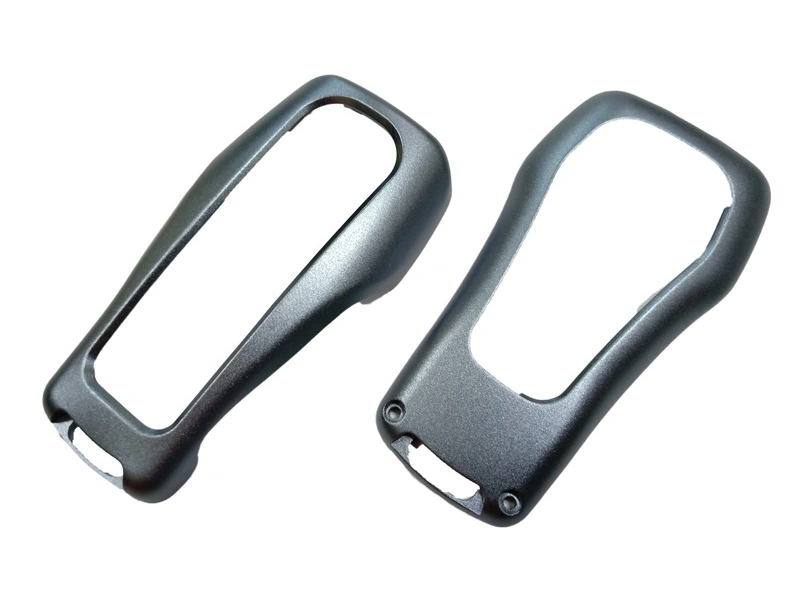
How to Shortlist Zinc Die Casting Suppliers Before RFQ
Before sending RFQs to many suppliers, buyers can save time by creating a shortlist. The goal is to identify suppliers that are likely to understand zinc alloy die casting, custom tooling, machining, finishing, inspection, and repeat production.
A basic shortlist should check whether the supplier has dedicated zinc die casting capability, material knowledge, tool and die making support, CNC machining, post-machining, surface finishing, assembly service, quality control, and production scalability.
Shortlist Question | Good Supplier Signal | Risk Signal |
|---|---|---|
Do they understand zinc alloys? | They can explain Zamak 3, Zamak 5, Zamak 7, ZA-8, and application-based selection. | They only say all zinc materials are the same or only quote one default alloy. |
Can they control tooling? | They can support mold design, DFM review, trial mold, modification, and maintenance. | They fully outsource tooling and cannot explain mold design details. |
Can they finish parts? | They can support post-machining, painting, powder coating, decorative coating, and assembly-related finishing. | They only deliver raw castings and leave all secondary processes to the buyer. |
Can they inspect parts? | They can define inspection standards for dimensions, threads, surface, coating, and function. | They only perform simple visual checks without dimensional or batch control. |
Can they scale production? | They can support prototyping, trial production, low-volume production, and mass production. | They can make samples but cannot show repeat production control. |
Buyers should also review whether the supplier can support related processes such as tool and die making for zinc die casting, CNC machining for zinc die cast parts, post processing for zinc die cast parts, and assembly service for zinc die cast parts.
Zinc Alloy Capability Buyers Should Expect From Suppliers
A professional zinc die casting supplier should be able to explain how alloy selection affects the final part. The right alloy depends on strength, hardness, surface finish, detail reproduction, dimensional stability, wear resistance, coating requirements, assembly needs, and working environment.
Buyers should expect suppliers to understand zinc alloys for custom zinc die cast parts, not only quote based on the cheapest material option.
Alloy Capability | Supplier Should Explain | Buyer Benefit |
|---|---|---|
Why Zamak 3 is often used for general zinc die cast parts and stable dimensions. | Suitable for many custom zinc components with balanced performance. | |
Why Zamak 5 may be selected when higher strength and hardness are needed. | Useful for small hardware, handles, locks, and stronger zinc parts. | |
Why Zamak 7 may support better flowability and surface performance. | Helpful for thin-wall, complex, or appearance-sensitive zinc parts. | |
When ZA-8 may be considered for stronger or more wear-related applications. | Helps avoid material mismatch in functional zinc components. | |
Other zinc alloys | How the supplier evaluates special performance, finishing, or application needs. | Reduces the risk of choosing material only by cost. |
If a supplier cannot explain material choices clearly, buyers should be cautious. Material selection mistakes can affect machining, finishing, assembly, corrosion resistance, wear behavior, and long-term product performance.
Tooling Questions to Ask Zinc Die Casting Suppliers
Tooling is one of the most important supplier capabilities in zinc die casting. The mold controls parting lines, gate location, ejector marks, venting, flash, shrinkage, detail reproduction, and production consistency. A zinc die casting supplier that cannot control tooling may struggle with repeat production even if the first sample looks acceptable.
Before supplier approval, buyers should ask practical tooling questions instead of only asking for mold price and lead time.
Tooling Question | Why It Matters | What a Strong Supplier Should Explain |
|---|---|---|
Can you support DFM before tooling? | DFM review reduces mold rework and production defects. | Wall thickness, ribs, bosses, draft, parting line, gate, ejector, and machining allowance review. |
How do you plan parting lines? | Parting lines affect appearance, trimming, finishing, and assembly edges. | How visible surfaces and functional areas are protected during mold planning. |
Do you maintain molds in production? | Tool wear can cause flash, burrs, dimension drift, and surface defects. | Maintenance records, inspection checkpoints, and production monitoring. |
Can tooling support repeat orders? | Repeat purchasing needs stable tooling life and consistent output. | Mold material, cavity planning, mold life estimate, and maintenance strategy. |
How are tooling changes recorded? | Uncontrolled changes can create version confusion and batch variation. | Engineering change records, approved samples, and revision control. |
For zinc die casting tools, buyers can also ask whether the supplier uses suitable mold materials such as H13 die casting mold steel when tool durability and production stability are important.
How to Evaluate CNC, Finishing and Assembly Support
Many zinc die cast parts need more than casting. Functional features may require CNC machining. Cosmetic parts may require painting, powder coating, decorative coating, polishing, tumbling, or other post-processing. Assembly-ready parts may require trial assembly, burr control, packaging protection, and final inspection.
Buyers should audit whether a supplier can coordinate these processes. A supplier that can cast the part but cannot control machining or finishing may create hidden responsibility gaps later.
Support Capability | Supplier Audit Point | Risk If Missing |
|---|---|---|
Can the supplier machine threaded holes, hinge holes, locating holes, and functional faces? | Assembly risk, dimension dispute, and poor functional fit. | |
Can the supplier control machined datums, deburring, and reinspection? | Unclear responsibility for machined dimensions and burr-related assembly problems. | |
Can the supplier manage finishing requirements and surface standards? | Surface rework, appearance rejection, coating failure, or delayed delivery. | |
Can the supplier control color, adhesion, masking, and cosmetic consistency? | Color variation, peeling, scratches, or assembly clearance problems. | |
Can the supplier plan coating thickness and protection requirements? | Coating buildup, poor fit, thread interference, or edge defects. | |
Can the supplier perform trial assembly or deliver assembled components? | The buyer may need to coordinate secondary suppliers and solve fit problems alone. |
For appearance-sensitive zinc parts, buyers can also ask whether the supplier can support decorative coatings for zinc die cast parts and define visual standards before production.
Quality Control Signals of Professional Zinc Die Casting Suppliers
Quality control is one of the clearest signals of a professional zinc die casting supplier. Strong suppliers do not rely only on visual inspection at the end. They control the project from material, tooling, casting, machining, finishing, assembly, and packaging.
Buyers should ask how the supplier manages first article inspection, CMM inspection, thread gauge inspection, coating inspection, visual standards, batch traceability, golden samples, and production records.
Quality Signal | What It Proves | Buyer Value |
|---|---|---|
First article inspection | The supplier can verify sample dimensions before production approval. | Reduces tooling risk and confirms drawing compliance early. |
Critical dimensions can be measured and documented. | Improves assembly stability and reduces incoming inspection problems. | |
Coating inspection | Surface treatment thickness, appearance, and coverage can be checked. | Reduces cosmetic risk and coating-related assembly issues. |
Batch records | Production conditions and inspection results can be traced. | Supports long-term sourcing and problem investigation. |
Golden sample | Appearance and functional standards are clearly approved. | Reduces disputes over color, finish, fit, and visual acceptance. |
The supplier can maintain consistency after sample approval. | Supports repeat orders and long-term production stability. |
A supplier that can show inspection planning, measurement capability, and production traceability is usually safer for custom zinc die cast parts than a supplier that only sends photos of finished samples.
How to Compare Local and Overseas Zinc Die Casting Suppliers
Buyers may compare local and overseas zinc die casting suppliers depending on cost, lead time, communication needs, production volume, and supply chain strategy. There is no single best option for every project. The right choice depends on whether the supplier can control the full manufacturing chain and meet the buyer’s quality, delivery, and support expectations.
Supplier Type | Advantage | Buyer Concern |
|---|---|---|
Local supplier | Easier communication, faster visits, shorter local logistics. | Unit price, production capacity, and complete process support may vary. |
Overseas supplier | Potential cost advantage, broader production capacity, and integrated manufacturing options. | Buyers must confirm communication, quality control, lead time, shipping, and documentation. |
One-stop supplier | Can integrate tooling, casting, machining, finishing, inspection, assembly, and packaging. | Buyers should confirm each process is truly controlled, not only listed on a website. |
Single-process supplier | May be strong in one specific process such as casting or finishing. | Buyers must coordinate more suppliers and manage responsibility between processes. |
If a project involves finished zinc die cast components, surface finishing, CNC machining, assembly, or repeat orders, buyers should give more weight to full supply chain control than to location alone.
How to Reduce Long-Term Supply Risk With Zinc Die Casting Suppliers
Long-term sourcing risk often appears after the first sample is approved. A sample may pass inspection, but future batches may have dimensional variation, tool wear, color difference, coating changes, packaging damage, delivery delay, or version confusion. Buyers should reduce these risks before mass production starts.
Long-Term Risk | Prevention Method | Why It Helps |
|---|---|---|
Batch variation | Inspection checklist, process records, sampling plan, and approved tolerances. | Keeps repeat production aligned with approved samples. |
Tool wear | Tooling maintenance plan and production monitoring. | Reduces flash, burrs, dimensional drift, and surface defects. |
Surface color difference | Approved finish sample and visual standard. | Controls appearance consistency across finishing batches. |
Drawing version confusion | Version control and engineering change records. | Prevents old drawings or outdated tooling changes from entering production. |
Delivery damage | Packaging standard and finished part protection plan. | Reduces scratches, dents, coating damage, and shipment rejection. |
Supplier capacity issue | Production planning review and repeat order communication. | Helps buyers avoid delays when demand increases. |
Buyers should ask suppliers how they manage approved samples, inspection checklists, material standards, surface finishing standards, mold maintenance, version control, packaging, batch traceability, and repeat order communication. These controls are especially important for mass production zinc die casting supplier projects.
Why a One-Stop Zinc Die Casting Supplier Can Be Safer for Custom Projects
A one-stop zinc die casting supplier can reduce project risk by coordinating design review, alloy selection, tooling, die casting, CNC machining, post-machining, surface finishing, inspection, assembly, packaging, and mass production under one workflow.
This is especially useful when the buyer needs custom zinc die cast parts, finished zinc die cast components, decorative parts, functional parts, or long-term repeat production. When each process is handled by separate suppliers, responsibility can become unclear if the final part fails assembly, surface finish, dimensional inspection, or delivery standards.
Risk in Multi-Supplier Projects | How One-Stop Supplier Helps | Buyer Benefit |
|---|---|---|
Design and tooling communication gap | Engineering and tooling teams review manufacturability together. | Fewer mold changes and fewer late-stage design conflicts. |
Casting and machining responsibility unclear | Casting datums, machining allowance, and inspection points are planned together. | More stable functional dimensions and fewer assembly disputes. |
Surface finishing affects assembly | Finishing thickness, masking, and clearance are reviewed before production. | Reduced coating-related fit problems. |
Appearance rework risk | Visible surfaces, finishing standards, and packaging are aligned earlier. | Better cosmetic consistency and fewer finished part rejections. |
Quality traceability difficulty | Material, tooling, casting, machining, finishing, and inspection records are connected. | Problems are easier to investigate and correct. |
Delivery coordination risk | Production scheduling, finishing, assembly, and packing are managed in one plan. | More predictable delivery for repeat orders. |
If buyers need a one-stop zinc die casting supplier, they should still verify that the supplier has real control over each process. The supplier should be able to explain how tooling, casting, CNC machining, finishing, inspection, assembly, and packaging are connected.
Summary
Choosing zinc die casting suppliers is not only about comparing unit price. Buyers should evaluate whether the supplier can support zinc alloy selection, tooling control, die casting process stability, CNC machining, post-machining, surface finishing, quality inspection, assembly, packaging, and mass production.
A reliable zinc die casting supplier should help buyers reduce project risk from RFQ to sample approval and from trial production to repeat orders. For custom zinc die cast parts, Zamak components, finished zinc die cast components, and long-term production projects, a supplier with integrated manufacturing control is usually safer than a supplier that only provides casting blanks.
Supplier Evaluation Area | Key Buyer Question | Recommended Check |
|---|---|---|
Material capability | Can the supplier recommend suitable zinc alloys? | Review Zamak 3, Zamak 5, Zamak 7, ZA-8, and application-based alloy selection. |
Tooling control | Can the supplier design and maintain stable die casting molds? | Check DFM review, parting line planning, gate design, mold maintenance, and change records. |
Production process | Can the supplier control defects and repeatability? | Ask about casting parameters, sample approval, process records, and batch monitoring. |
Machining and finishing | Can the supplier deliver finished zinc die cast parts? | Confirm CNC machining, post-machining, painting, powder coating, decorative coatings, and finishing inspection. |
Quality control | Can the supplier verify dimensions, surface, coating, threads, and batch consistency? | Check first article inspection, CMM inspection, coating inspection, golden sample, and traceability. |
Long-term supply | Can the supplier support repeat orders reliably? | Review tooling maintenance, packaging standards, version control, production capacity, and mass production planning. |
FAQ
How Should Buyers Shortlist Zinc Die Casting Suppliers Before RFQ?
What Capability Signals Show a Zinc Die Casting Supplier Can Handle Complex Zamak Parts?
How Can Buyers Verify Tooling, Finishing and Inspection Capacity Before Supplier Approval?
How Should Buyers Reduce Long-Term Supply Risk With Zinc Die Casting Suppliers?
What Supplier Workflow Helps Zinc Die Cast Parts Move From Sample to Mass Production?