
Что такое дуговое анодирование? Процесс, свойства и применение
Введение в дуговое анодирование
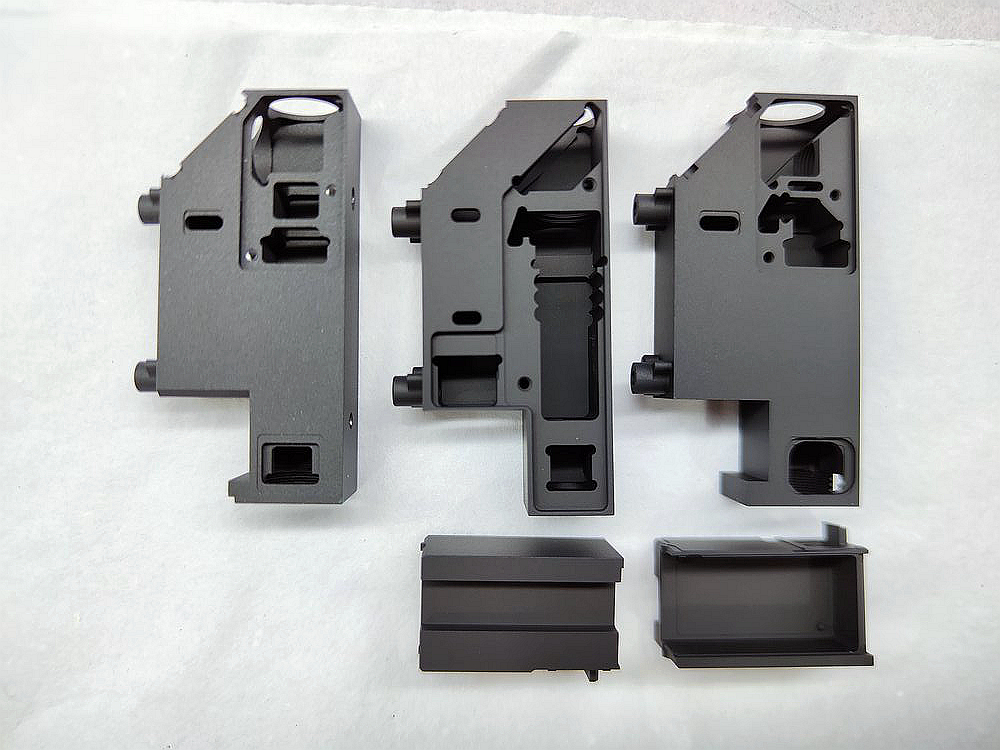
Как инженер в Neway, я часто поддерживаю клиентов, которым нужны высокоэффективные покрытия, способные выдерживать экстремальные перепады температур, высокие механические нагрузки и коррозионные среды. Дуговое анодирование — также известное как микродуговое оксидирование (MAO) или плазменно-электролитическое оксидирование (PEO) — относится к самым передовым сегодня керамико-конверсионным методам поверхностной обработки. В отличие от традиционного анодирования, которое формирует относительно тонкую оксидную плёнку, дуговое анодирование использует контролируемый плазменный разряд, превращая поверхность металла в толстый, прочный керамический слой.
Этот процесс особенно ценен для компонентов, изготовленных методом алюминиевого литья под давлением или CNC-обработки, где требуются высокая конструкционная прочность и долговременная надёжность. В этом блоге я объясню, как работает дуговое анодирование, какие свойства оно обеспечивает и почему оно стало стратегическим вариантом финишной обработки во многих отраслях.
Как работает дуговое анодирование
Формирование плазменного разряда
Дуговое анодирование начинается с подачи высокого напряжения на металл, погружённый в электролит. Когда напряжение превышает порог диэлектрического пробоя природной оксидной плёнки, на поверхности возникают микроразряды. Эти разряды создают локальные температуры в несколько тысяч градусов, расплавляя и быстро затвердевая оксид в керамический слой.
Электролитные системы и условия ванны
Состав электролита — обычно щелочные силикатные или фосфатные смеси — напрямую влияет на интенсивность плазмы и рост оксидного слоя. Температура ванны и перемешивание также определяют стабильность процесса.
Термо-химическое преобразование
Во время каждого разряда атомы алюминия или магния взаимодействуют с компонентами электролита, образуя кристаллические керамические фазы. Это преобразование — основа прочных, износостойких поверхностей, применяемых для компонентов, изготовленных методами цинкового литья под давлением и медного литья под давлением, где требуется усиленная защита для тяжёлых условий эксплуатации.
Стадии роста
Дуговое анодирование формирует двухслойную структуру:
Плотный барьерный слой, обеспечивающий электрическую изоляцию
Более толстый пористый внешний керамический слой для износостойкости
Технологический поток в промышленном MAO
Предобработка
Перед MAO детали проходят очистку, обезжиривание и активацию поверхности. Размерные поверхности, доведённые мехобработкой, обычно обеспечивают более равномерное покрытие по сравнению с грубыми литейными поверхностями.
Нарастание напряжения и типы источников питания
Различные режимы питания — DC, импульсный и гибридный — управляют распределением энергии микроразрядов. Импульсные системы позволяют более точно контролировать процесс, что особенно важно при обработке сплавов, таких как алюминий A380.
Стадия разряда
На этой стадии формируются толщина, твёрдость и пористость покрытия. Стабильные разряды создают более прочные и равномерные керамические слои.
Постобработка
После MAO в некоторых применениях может потребоваться герметизация (sealing) или финишные операции. Для литых под давлением компонентов это может сочетаться с процессами, такими как анодирование для деталей литья под давлением, чтобы получить гибридные характеристики или улучшить внешний вид.
Интеграция с предшествующим производством
Прототипирование и разработка новых изделий часто начинаются с быстрого прототипирования, а затем переходят к полномасштабному MAO-производству. MAO легко интегрируется в процессы литья и мехобработки и хорошо масштабируется.
Свойства покрытий дугового анодирования
Твёрдость и износостойкость
Покрытия MAO содержат керамические фазы, такие как корунд и муллит, что обеспечивает чрезвычайно высокую твёрдость. Это особенно ценно для высокоизнашиваемых применений в промышленности и автокомпонентах.
Коррозионная стойкость
Керамическая структура значительно повышает защиту от коррозии даже в агрессивных условиях, таких как соляной туман, химическое воздействие или термоциклирование.
Термостабильность
Покрытия MAO сохраняют структуру при повышенных температурах. Это важно для литейных сплавов, таких как сплав ADC12, используемых в корпусах электроники или конструкциях, связанных с двигателем.
Электрическая изоляция
Плотный слой обеспечивает отличные диэлектрические свойства, что позволяет применять MAO в высоковольтных модулях, системах EV и чувствительных электронных корпусах, таких как корпуса потребительской электроники.
Морфология поверхности
Покрытия MAO имеют уникальную микротекстуру, которую можно оптимизировать под разные свойства — трение, тепловую эмиссионную способность или декоративный внешний вид — в зависимости от конкретного применения.
Совместимость с подложками
Семейства алюминиевых сплавов
Алюминиевые сплавы — наиболее «дружелюбные» к MAO материалы. Литейные и деформируемые марки реагируют по-разному в зависимости от содержания кремния. Широкий спектр алюминиевых сплавов, включая конструкционные и литейные типы, может быть улучшен с помощью MAO.
A380, ADC12, AlSi10Mg и другие литейные сплавы
Высококремнистые марки, такие как AlSi10Mg, формируют более твёрдые керамические слои, но требуют аккуратного контроля плазмы.
Магниевые и титановые сплавы
Магний очень хорошо реагирует на MAO, а титан формирует высокостабильные керамические слои, подходящие для авиационно-космических и медицинских применений.
Ограничения для цинковых и медных сплавов
Некоторые цинковые сплавы могут обрабатываться в контролируемых условиях, однако высокое содержание цинка или меди способно дестабилизировать плазменное поведение.
Промышленные применения дугового анодирования
Авиация и космос
MAO применяется для кронштейнов, корпусов, тепловых экранов и других авиационно-космических компонентов, которым требуются термостабильность и износостойкость.
Автомобильная отрасль
Крышки батарей EV, корпуса трансмиссий и тепловые компоненты выигрывают от керамической структуры MAO. Во многих программах, поддерживаемых решениями по литью для автопрома, MAO используется для повышения долговечности.
Потребительская электроника
MAO отлично подходит для устойчивых к царапинам корпусов с премиальным тактильным ощущением, используемых в ноутбуках, роутерах и портативных устройствах.
Промышленное оборудование
Высоковольтные модули, механические корпуса и инструментальные компоненты используют MAO для электроизоляции и стойкости к истиранию.
Энергетика и силовая электроника
Покрытия MAO повышают диэлектрическую прочность в системах накопления энергии и преобразователях мощности.
Преимущества по сравнению с традиционным анодированием
Большая твёрдость и толщина
Традиционное анодирование формирует тонкие оксидные плёнки, тогда как MAO создаёт толстые керамические слои, идеально подходящие для высокоизнашиваемых и нагруженных применений.
Лучшая коррозионная и износостойкость
Керамический слой значительно превосходит возможности стандартного анодирования.
Улучшенные тепловые и диэлектрические свойства
Это делает MAO подходящим для высоковольтных, высокотемпературных и высокофрикционных сред.
Функциональные и эстетические преимущества
MAO сочетает эксплуатационные свойства и поверхностную текстуру, предоставляя дизайнерам больше возможностей.
Сложности и ограничения процесса MAO
Энергопотребление
MAO требует более высокого энергопотребления, чем традиционное анодирование.
Чувствительность к сплаву
Сплавы с высоким содержанием кремния или определёнными металлургическими особенностями требуют тонко настроенных режимов управления.
Масштаб оборудования и охлаждение
Крупногабаритные компоненты требуют больших MAO-ванн и эффективного температурного контроля.
Требования к качеству поверхности
Грубые литейные поверхности могут потребовать мехобработки или полировки перед нанесением покрытия для достижения оптимального результата.
Выбор подходящего производителя
Важность управления процессом и контроля качества
Качество MAO во многом зависит от контроля напряжения, плотности тока, химии электролита и теплового режима.
Преимущества интегрированного производства
Когда поставщик объединяет литьё, мехобработку и нанесение покрытия в едином потоке — например, через комплексный сервис литья под давлением «под ключ» от Neway — характеристики MAO становятся более предсказуемыми и стабильными.
Оценка поставщика
Производителей следует оценивать по опыту процесса, возможностям оборудования, стабильности покрытия и соответствию отраслевым требованиям.
Когда MAO даёт наилучший ROI
MAO оптимален для изделий, которым требуется долговременная стабильность, электрическая изоляция, тепловой менеджмент или высокая механическая стойкость.
Итоги
Анодирование выделяется как высокоэффективная технология керамического покрытия, которая превращает металлические поверхности в упрочнённые, коррозионностойкие и электроизолирующие слои. Сочетая высоковольтный плазменный разряд с контролируемыми химическими реакциями, MAO обеспечивает значительно большую долговечность, чем традиционное анодирование. В авиации, автопроме, электронике и промышленности дуговое анодирование повышает механическую прочность, увеличивает срок службы, улучшает тепловой менеджмент и добавляет премиальную дизайнерскую ценность.
FAQs
