
Доступное качество: премиальные уретановые прототипы при ограниченном бюджете
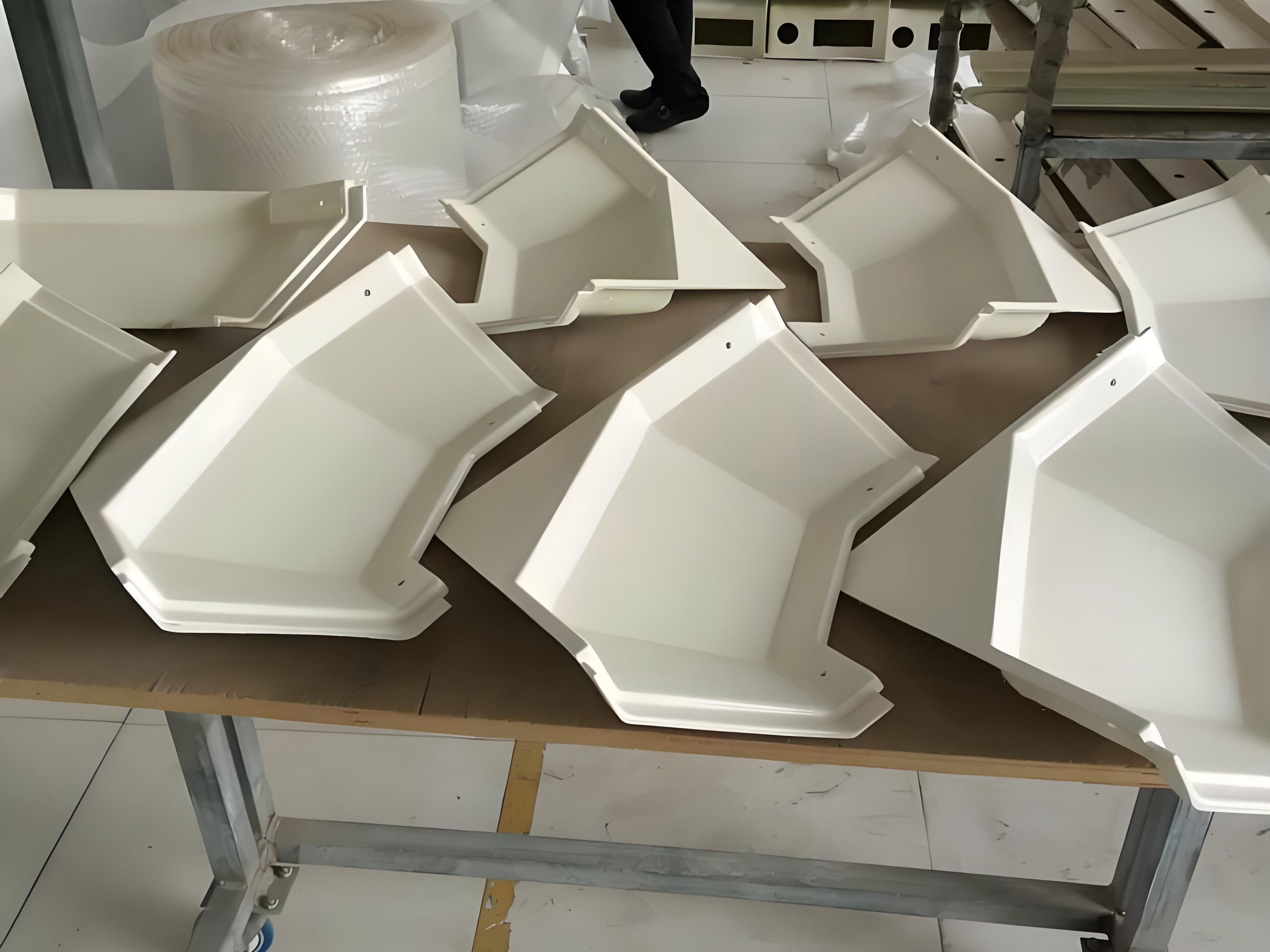
Почему уретановые прототипы дают высокое качество без высокой стоимости
Как инженер Neway, тесно работающий с промышленными дизайнерами и производственными командами, я часто сталкиваюсь с одной и той же задачей в разных отраслях: командам нужны качественные прототипы, которые выглядят и работают почти как серийные детали, но при этом требуются быстро и в рамках ограниченного бюджета. Литьё уретана стало одним из самых эффективных способов закрыть этот разрыв, обеспечивая отличную геометрию, поверхность и функциональное поведение при стоимости, значительно ниже, чем у литья под давлением.
Главная причина доступности уретановых прототипов — подход к оснастке. Вместо инвестиций в дорогие стальные пресс-формы инженеры изготавливают силиконовые формы, точно копирующие мастер-модель (master pattern). Такие формы намного дешевле и быстрее в изготовлении, но при этом обеспечивают великолепную детализацию и стабильность размеров. Для команд, которые ещё итеративно дорабатывают конструкцию или оценивают UX-функции, возможность менять геометрию без «разрушения бюджета» особенно ценна.
В Neway мы объединяем инженерную точность и гибкую оснастку, чтобы поставлять прототипы для силовых испытаний, эргономических тестов, проверки сборки и маркетинговых образцов — сохраняя экономичность. И поскольку мы используем высокоэффективные полиуретановые смолы, готовые детали часто близки по прочности, эластичности и качеству поверхности к серийным пластиковым компонентам.
Как уретановое литьё поддерживает быстрые и экономичные циклы разработки
Одно из ключевых преимуществ уретанового литья — скорость. Когда сроки разработки сжаты, ожидание стальной оснастки неделями или месяцами становится нереалистичным. Уретановые формы, напротив, быстро изготавливаются на основе качественной мастер-модели. Такой маршрут позволяет рано получать детали для оценки, параллельно улучшать конструкцию и поддерживать темп разработки продукта.
Чтобы ускорить раннюю доработку геометрии, команды часто проверяют первичную форму через rapid prototyping. После подтверждения физической формы утверждённая мастер-модель становится основой для изготовления силиконовой формы. Поскольку силиконовые формы не требуют мехобработки, инженеры могут реализовывать сложные поверхности, органические кривые и тонкие эстетические детали без ограничений традиционной оснастки.
Уретановое литьё хорошо подходит и для малых объёмов. Для партий примерно от 5 до 200 штук стоимость одной детали остаётся существенно ниже, чем при CNC-обработке или литье под давлением. Для заказчиков, которым нужен баланс точности и доступности, уретановые прототипы дают оптимальное сочетание.
Материальная универсальность: подбор свойств смолы под реальные требования
Уретановые прототипы — это не только «визуальные макеты». Современные полиуретановые системы могут имитировать поведение многих инженерных пластиков, позволяя оценивать ударную вязкость, гибкость, температурную стойкость и качество поверхности.
При переходе к серийному производству инженеры часто сравнивают поведение уретановых прототипов с поведением будущих металлических или пластиковых материалов. Например, команды, разрабатывающие лёгкие функциональные детали, позднее могут выбрать металлические процессы, такие как sand casting, или гибридные металл-пластик конструкции. Такой «мягкий» переход от прототипа к производству улучшает качество решений и снижает риски.
Если требуется более близкое сравнение с алюминиевыми сплавами — например, для оценки тепловых или силовых характеристик — заказчики часто анализируют варианты, представленные в разделе aluminum alloys. Аналогично, выбор смолы может опираться на будущие требования, связанные с zinc alloys или copper brass alloys, в зависимости от целевых механических свойств.
Для компонентов, которые в перспективе потребуют высокопрочных металлов или специализированных инструментальных сталей, инженеры могут дополнительно сверяться с tool materials ещё на ранней стадии оценки. Такой уровень материаловедения помогает сделать так, чтобы уретановые прототипы обеспечивали корректную валидацию конструкции и подготавливали проект к финальному производственному маршруту.
Уретановое литьё vs CNC-обработка и 3D-печать
Выбирая стратегию прототипирования, компании часто сравнивают уретановое литьё с вычитательными и аддитивными методами. CNC-обработка отлично подходит для точных деталей из реальных инженерных материалов, но становится дорогой при сложной геометрии или при необходимости многочисленных ревизий. Особенно неэффективно «вынимать» большие объёмы материала, если цель — имитировать пластиковую деталь.
Аддитивное производство, доступное через сервисы Neway по 3D printing, даёт высокую скорость и свободу форм, однако некоторые смолы и технологии печати не воспроизводят механические свойства и качество поверхности серийного пластика так же уверенно, как уретановое литьё. Для эргономических моделей, функциональных прототипов и косметических образцов 3D-деталям часто требуется существенная постобработка, чтобы приблизиться к уровню уретановых отливок.
Если заказчику нужен визуально точный и механически релевантный прототип без стоимости и ограничений мехобработки и без типичных дефектов поверхности аддитивных деталей, уретановое литьё остаётся самым экономичным и сбалансированным вариантом. А когда отдельные поверхности требуют повышенной точности, вторичную доводку можно выполнить через CNC machining для достижения жёстких допусков.
Постобработка и качество поверхности, сопоставимые с серийными деталями
Одна из ключевых особенностей уретанового литья — способность обеспечивать почти «пресс-форменное» качество поверхности. Силиконовые формы повторяют даже микроскопические детали мастер-модели, позволяя получать матовые, сатиновые или глянцевые поверхности без значительной постобработки.
В зависимости от требований уретановые детали могут проходить дополнительную отделку или функциональную доводку. Например, текстуры, окраска, покрытия, логотипы или подготовка под сборку повышают реалистичность прототипа. Методы, часто используемые в последующих die-casting проектах — такие как post-process for die castings — могут применяться и к полиуретановым деталям, когда нужна повышенная износостойкость или улучшенная эстетика.
Для геометрии, требующей более строгих допусков или функциональной точности, контролируемые вторичные операции, такие как die castings post machining, позволяют довести уретановые детали до точности, сопоставимой с серийными компонентами.
Эти улучшения обеспечивают отличные тактильные качества уретановых прототипов, что делает их идеальными для UX-тестов, предметной съёмки, выставок или презентаций инвесторам.
Отрасли, где критичны качественные и доступные уретановые прототипы
Уретановое литьё широко используется в разных отраслях благодаря универсальности и низкой стоимости. Автомобильные команды часто требуют функциональные и эстетически точные прототипы для интерьерных панелей, кронштейнов, корпусных сборок и элементов воздушных каналов. Примеры сотрудничества, такие как automotive components, показывают, как экономичное прототипирование ускоряет итерации и предсерийные испытания.
Аэрокосмические инженеры используют уретановые модели для проверки аэродинамических поверхностей, эргономики и стыковочных интерфейсов, прежде чем переходить к более «тяжёлым» производственным методам. Такой маршрут соответствует ранним этапам в aerospace parts development.
Компании потребительской электроники активно применяют уретановые прототипы для оценки внешнего вида, теплового поведения, тактильности кнопок и удобства удержания. Кейсы сотрудничества, такие как consumer electronics hardware, демонстрируют, как силиконовые формы и полиуретан дают «серийную» реалистичность без затрат на алюминиевые пресс-формы.
От электроинструмента до медизделий и промышленного оборудования — уретановые прототипы позволяют тестировать множество вариантов дизайна быстро, доступно и эффективно.
Как выбрать партнёра для разработки уретановых прототипов
Качество уретановых прототипов сильно зависит от мастер-модели, компетенций в изготовлении форм, правильного выбора смолы и возможностей по финишу. Надёжный партнёр должен сочетать инженерные знания и производственный опыт, чтобы обеспечить точность размеров, стабильность поверхности и надёжность механики.
Инженерный подход Neway включает ранние рекомендации по DFM, консультации по подбору смол, оптимизацию производства и полный набор услуг по финишной обработке. Наши design and engineering services обеспечивают соответствие каждого прототипа требованиям последующего производства — будь то die casting, CNC machining, литьё под давлением или гибридный маршрут.
Если вашей команде нужны «премиальные» прототипы без «премиальных» затрат, уретановое литьё даёт исключительную ценность — сочетая внешний вид, функциональные свойства и быстрые сроки для ранних и предсерийных программ.
FAQs
