
Поверхности производственного качества прямо из прототипа
Почему качество поверхности важно при прототипировании
Как инженер Neway, я вижу одну и ту же задачу в разных отраслях: командам нужны прототипы, которые не только хорошо работают, но и выглядят и ощущаются как настоящие серийные детали. Косметические поверхности играют критическую роль на этапах дизайн-ревью, эргономических исследований, маркетинговой валидации и презентаций для клиентов. Когда поверхность не соответствует ожиданиям, доверие к прототипу снижается, и решения по следующему этапу могут откладываться. Именно поэтому наш инженерный процесс нацелен на получение прототипов с поверхностями, близкими к серийным, уже на ранних стадиях.
Традиционно прототипные поверхности выглядят шероховатыми, слоистыми или «сырыми», особенно если деталь изготовлена базовой 3D-печатью или грубой мехобработкой. В Neway мы объединяем продуманный выбор материалов и технологий с передовыми стратегиями финишной обработки, чтобы каждый прототип демонстрировал реалистичную текстуру, уровень глянца, допуски и эстетическое качество — без ожидания полноразмерной оснастки.
Независимо от того, разрабатывает ли команда корпус потребительской электроники, автомобильный кронштейн, прецизионный механический узел или деталь с «лицевой» косметикой, наша цель — дать такое качество поверхности, которое ускоряет принятие решений, а не тормозит его.
От цифровой модели к высокодостоверному прототипу
Каждый проект начинается с оценки CAD-данных: геометрии, ожиданий по качеству поверхности и эстетических требований. Для прототипов со сложной кривизной или внутренними элементами наши инженеры часто рекомендуют аддитивное производство в сочетании с тщательной финишной обработкой. Когда заказчику нужны функциональные прототипы из «реальных» материалов, мы можем применить традиционные подходы, такие как sand casting или полиуретановые методы — выбор зависит от конкретной геометрии и требований к характеристикам.
Базовый производственный план всегда учитывает внешний вид поверхностей. Для высококлассных прототипов мы используем инженерно выстроенную последовательность сглаживания, мехобработки, герметизации, нанесения покрытий и полировки. Это позволяет добиться стабильности поверхности, сопоставимой с литьём под давлением или die casting, даже если исходная деталь была напечатана или отлита.
Когда критична точность — особенно для сопрягаемых поверхностей и интерфейсов сборки — мы добавляем вычитательную доводку для прецизионного результата. В том числе выполняем вторичные операции с применением CNC machining, чтобы довести локальные элементы, кромки и зоны контакта до уровня серийных стандартов.
Выбор правильного прототипного процесса для превосходного качества поверхности
Качество поверхности начинается с выбора метода изготовления. В Neway мы помогаем заказчикам понять сильные стороны каждого варианта:
Аддитивное производство — для органичных форм, которые затем доводятся финишной обработкой
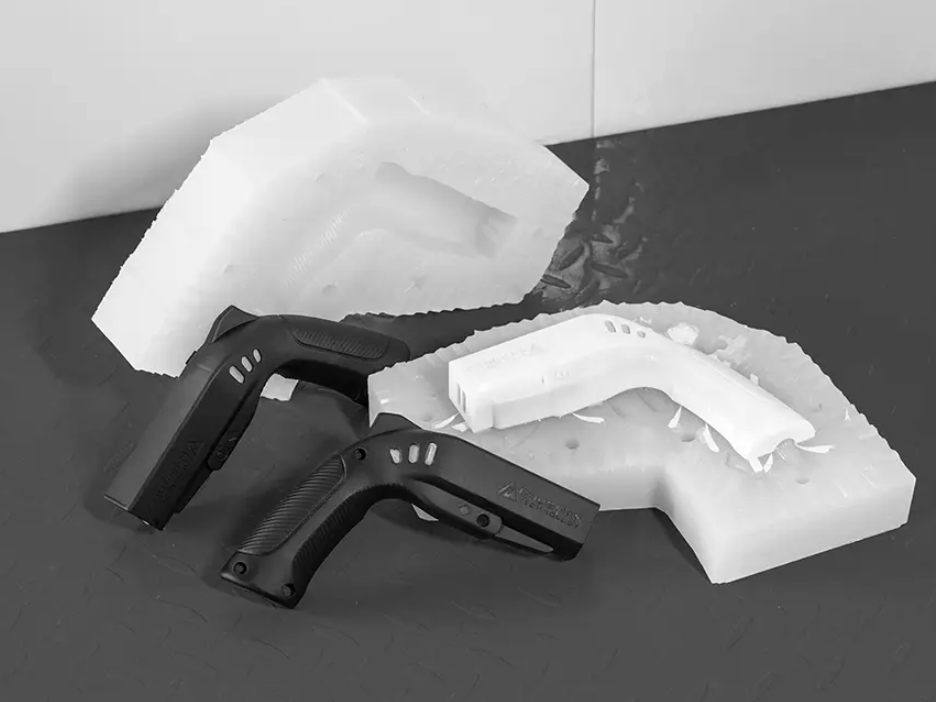
Уретановая имитация — для пластикоподобных поверхностей, используя отливки из силиконовой формы, полученной через rapid prototyping
Литьё малых серий — для металлических компонентов, которым важны «настоящие» ощущения и поведение материала
Прецизионная мехобработка — для максимально высокого базового качества поверхности
Для проектов, которые в будущем переходят в die casting, заказчики иногда начинают с прототипов из сплавов, близких к aluminum alloys или copper brass alloys, чтобы оценить поведение поверхности до запуска массового производства. Когда команды сравнивают материалы вроде zinc alloys для дальнейшего масштабирования, прототипы помогают увидеть, как кромки, радиусы и мелкие текстуры «переносятся» между процессами.
Инженерная команда также подготавливает поверхности так, чтобы будущие die casting формы, которые изготавливаются из металлов класса tool materials, могли воспроизвести подтверждённый на прототипе финиш. Такая согласованность обеспечивает совпадение между замыслом прототипа и реальными возможностями серийного производства.
Достижение серийной эстетики через гибридную постобработку
Многие считают, что прототипы не могут соответствовать серийному качеству поверхности из-за слоёв печати, пористости или матового вида «сырой» поверхности после печати/литья. Мы снимаем эти ограничения, применяя гибридные методы финишной обработки.
Для металлических прототипов мы часто используем последовательность, включающую сглаживание, удаление заусенцев, дробеструйную/бисерную обработку и локальную прецизионную доводку. Когда необходимы острые кромки, контролируемая текстура или косметическая однородность, мы дорабатываем деталь через die castings post machining, чтобы сложная геометрия не только попадала в допуски, но и соответствовала ожиданиям по внешнему виду.
После формирования базовой поверхности мы переходим к финишным технологиям, близким к серийному производству. Эти операции хорошо согласуются с возможностями, описанными в нашей цепочке post-process for die castings, что позволяет получить высокий уровень косметического качества. За счёт контролируемой полировки, герметизации поверхности, окраски или имитации порошкового покрытия мы превращаем прототип в «производственный» образец, который упрощает и ускоряет утверждение дизайна.
Подбор финиша под отраслевые требования
Ожидания по «идеальности» поверхности различаются по отраслям, и мы адаптируем инженерный процесс под конкретные стандарты. Автомобильные команды, разрабатывающие корпуса, интерьерные элементы или металлические конструкционные прототипы, сопоставляют результаты с эталонами уровня автомобильных компонентов, где поверхности проходят и функциональную, и косметическую оценку.
В потребительской электронике, где критичны тактильная и визуальная стабильность, прототипы часто должны напоминать тонко проработанные корпуса из проектов вроде consumer electronics hardware. Здесь мы обеспечиваем возможность воспроизвести целевые текстуры и финиш — металлический, сатиновый, глянцевый или матовый — в соответствии с замыслом материала.
Для механических сборок в робототехнике, измерительной технике и прецизионных устройствах согласованность между прототипом и серийными поверхностями упрощает переход к оснастке. Руководители инженерных программ могут заранее подтвердить эргономику, качество сборки и внешний вид до крупных инвестиций.
Ускорение принятия решений благодаря прототипам с серийным качеством поверхности
Когда стейкхолдеры видят прототипы с «производственным» качеством поверхности, цикл принятия решений заметно сокращается. Нет необходимости в дополнительных концептуальных образцах или «заглушках». При правильном финише, цвете, уровне глянца и геометрии программа может сразу переходить к верификации, пилотному производству или оснастке.
Высококлассные прототипы также поддерживают: • демонстрации на выставках • презентации для инвесторов и клиентов • эргономические и usability-исследования • оценки промышленного дизайна • маркетинговую фотосъёмку до начала производства
Работая совместно с командой Neway по design and engineering service, компании обеспечивают соответствие каждого прототипа долгосрочной технологичности и экономически эффективной стратегии серийного производства.
FAQs
What processes can achieve production-quality surfaces on early prototypes?
How do material choices affect achievable surface finishes during prototyping?
What post-processing steps help prototypes match final production aesthetics?
How closely can urethane or metal prototypes simulate injection-molded or die-cast surfaces?
How does Neway ensure prototype surfaces transition smoothly into mass-production tooling?
